In Oregon, a pruning saw often works harder than a lawn mower. Between fast-growing maples, fruit trees, evergreens, and storm-damaged branches, homeowners quickly discover that the wrong saw can turn a 15-minute pruning task into an exhausting afternoon. If you’re wondering how to choose a pruning saw, the answer is simple: select a saw based on branch size, blade design, cutting direction, comfort, and the specific tree species growing in your garden. Choosing the right tool improves cutting efficiency, reduces plant damage, and makes seasonal pruning safer and easier.
What Is a Pruning Saw and Why Does It Matter for Oregon Gardens?
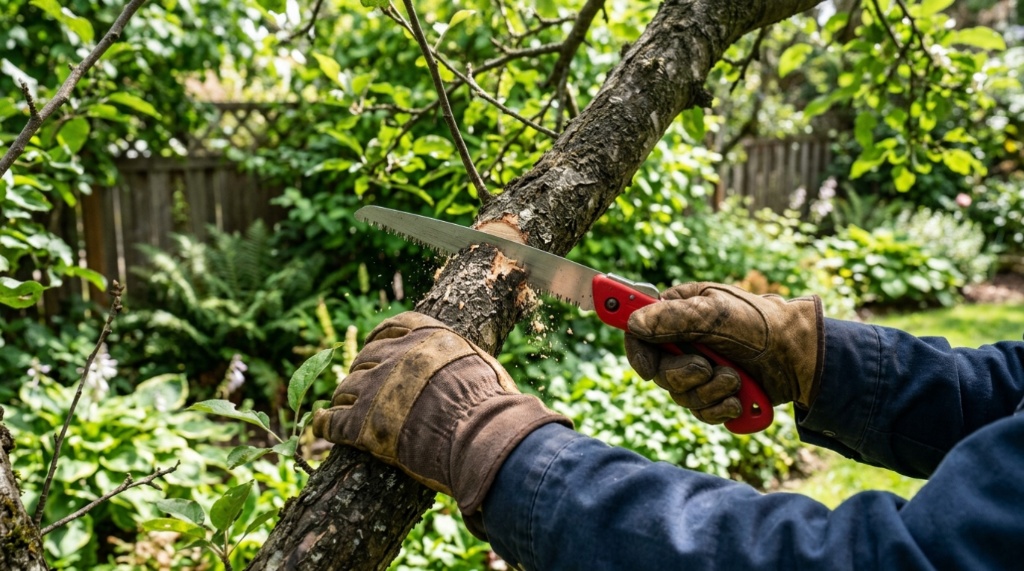
A pruning saw is a specialized hand tool designed to cut branches that are too thick for pruning shears or loppers.
Unlike standard woodworking saws, pruning saws feature aggressive teeth designed to cut through live wood efficiently while minimizing damage to bark and healthy tissue. Oregon homeowners frequently deal with diverse landscapes that include apple trees, pear trees, Douglas fir, cedar, Japanese maple, and ornamental shrubs. These plants often require regular pruning to maintain health, shape, and safety.
Choosing the proper saw helps create cleaner cuts, which reduces disease risk and encourages healthy regrowth. If you’re researching tools for seasonal yard maintenance, understanding how to find quality DIY tools without overspending can also help you invest wisely in garden equipment that lasts for years.
According to arboriculture experts, clean pruning cuts heal significantly faster than ragged cuts caused by improper tools. That makes tool selection more important than many gardeners realize.
How Do You Choose a Pruning Saw for Different Branch Sizes?
The size of the branches you plan to cut should be the first factor when selecting a pruning saw.
Different branch diameters require different blade lengths and cutting capacities.
| Branch Diameter | Recommended Tool | Ideal Blade Length |
|---|---|---|
| Up to 1 inch | Pruning Shears | Not required |
| 1–2 inches | Loppers | Not required |
| 2–4 inches | Folding Pruning Saw | 7–10 inches |
| 4–8 inches | Fixed Blade Pruning Saw | 10–14 inches |
| Above 8 inches | Large Arborist Saw | 14+ inches |
Most home gardeners in Oregon find that an 8- to 10-inch pruning saw handles the majority of common pruning tasks. Fruit tree maintenance, storm cleanup, and seasonal branch removal typically fall within this range.
Can a Small Pruning Saw Cut Large Branches?
Yes, but it requires more effort and increases cutting time.
Using a blade that is too short for larger branches can lead to inefficient cutting and user fatigue. Matching blade size to branch diameter improves performance and safety.
Which Type of Pruning Saw Is Best for Home Garden Projects?
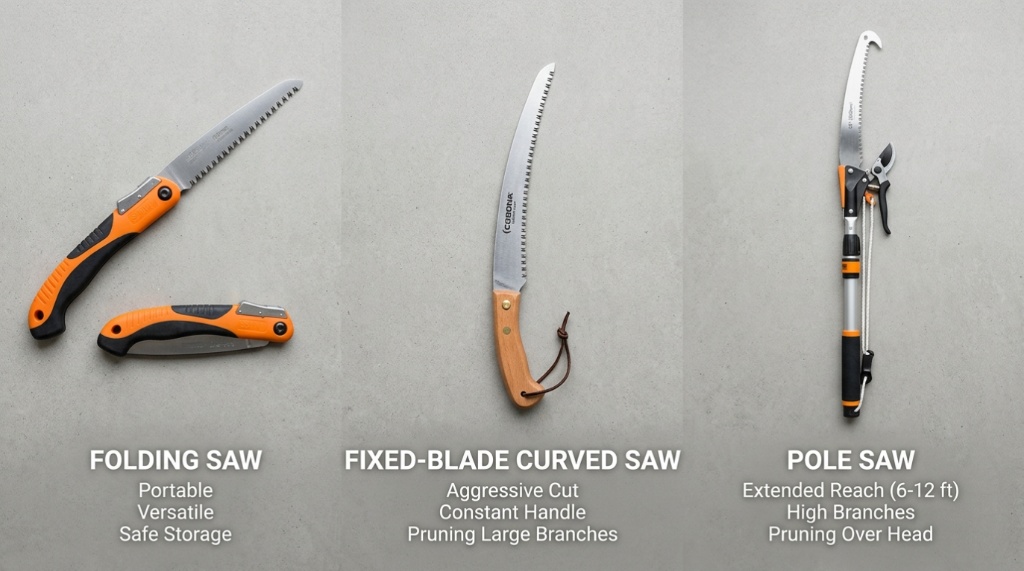
Folding pruning saws are usually the best choice for most homeowners because they balance safety, portability, and cutting performance.
Several styles are available, each suited for specific applications.
Folding Pruning Saws
- Compact and easy to store
- Safe blade-locking mechanism
- Ideal for general garden maintenance
- Popular among homeowners
Fixed Blade Pruning Saws
- Longer blades available
- Maximum cutting efficiency
- Suitable for larger branches
- Preferred by frequent users
Pole Pruning Saws
- Reach high branches safely
- Reduce ladder use
- Ideal for tall trees
- Excellent for mature Oregon landscapes
Curved Blade Pruning Saws
- Faster pull-stroke cutting
- Efficient for green wood
- Popular among arborists
Straight Blade Pruning Saws
- More precise control
- Easier detailed pruning
- Useful for ornamental plants
Homeowners interested in modern equipment upgrades often combine traditional hand tools with innovative solutions discussed in this guide about using smart tools to improve home maintenance routines.
What Blade Material Should You Look for in a Pruning Saw?
High-carbon steel blades generally provide the best balance of sharpness, durability, and cutting performance.
The blade material directly affects longevity and cutting quality.
High-Carbon Steel
- Exceptional sharpness
- Long-lasting edge retention
- Excellent cutting performance
- Requires occasional maintenance
Hardened Steel
- Improved durability
- Resists wear
- Suitable for frequent use
Chrome-Plated Steel
- Resists corrosion
- Ideal for Oregon’s wet climate
- Easier cleaning
Given Oregon’s frequent rainfall and humidity, corrosion resistance should be a priority. Stainless or coated blades often provide better long-term value for outdoor storage conditions.
How Important Is Tooth Design When Choosing a Pruning Saw?
Tooth design significantly affects cutting speed, smoothness, and efficiency.
Many gardeners focus only on blade length while overlooking tooth geometry, which often has a greater impact on performance.
Large Teeth
- Fast cutting action
- Best for thick branches
- More aggressive performance
Fine Teeth
- Smoother cuts
- Better precision
- Ideal for delicate pruning
Impulse-Hardened Teeth
- Stay sharp longer
- Reduced maintenance
- Excellent lifespan
For most Oregon home gardens, medium-sized impulse-hardened teeth provide the ideal combination of speed and durability.
What Does TPI Mean on a Pruning Saw?
TPI stands for teeth per inch.
Lower TPI numbers cut faster and more aggressively, while higher TPI numbers provide smoother and more controlled cuts.
Should You Choose a Pull-Cut or Push-Cut Pruning Saw?
Most modern pruning saws cut on the pull stroke because it improves efficiency and reduces blade bending.
Japanese-style pull saw designs have become increasingly popular among professional arborists and experienced gardeners.
| Feature | Pull-Cut Saw | Push-Cut Saw |
|---|---|---|
| Cutting Efficiency | High | Moderate |
| Precision | Excellent | Good |
| Blade Thickness | Thinner | Thicker |
| User Fatigue | Lower | Higher |
| Control | Excellent | Moderate |
Most homeowners quickly adapt to pull-cut technology and often find it easier to use during extended pruning sessions.
What Handle Features Make a Pruning Saw More Comfortable?
A comfortable ergonomic handle reduces fatigue and improves cutting accuracy.
Pruning sessions often involve repetitive movements, making grip design an important consideration.
Look for:
- Non-slip rubberized grip
- Ergonomic contouring
- Balanced weight distribution
- Weather-resistant materials
- Secure locking mechanisms
Gardeners who spend several hours maintaining fruit trees or landscaping projects often notice significant comfort differences between basic and ergonomic handles.
Are Rubber Handles Better Than Plastic Handles?
Yes, rubberized handles generally provide better comfort and control.
They offer improved grip during wet conditions, which is especially valuable in Oregon’s rainy climate.
How Does Oregon’s Climate Affect Pruning Saw Selection?
Oregon’s moisture-rich environment makes corrosion resistance and durability critical purchasing factors.
Garden tools frequently encounter:
- Rain
- Morning dew
- High humidity
- Wet vegetation
- Sap-producing trees
A pruning saw designed for dry climates may develop rust quickly if not properly maintained.
When evaluating saws, prioritize:
- Rust-resistant coatings
- Chrome-plated blades
- Easy-clean tooth patterns
- Weather-resistant handles
- Protective blade storage systems
These features help extend tool lifespan and maintain cutting performance year after year.
How Much Should You Spend on a Quality Pruning Saw?
Most homeowners can purchase an excellent pruning saw for between $25 and $60.
Price often reflects blade quality, handle construction, durability, and brand reputation.
| Price Range | Quality Level | Recommended Use |
|---|---|---|
| Under $20 | Basic | Occasional pruning |
| $25–$60 | High Value | Most homeowners |
| $60–$100 | Professional | Heavy use |
| $100+ | Specialized | Arborists |
For most home garden projects, the mid-range category provides the best long-term value.
Which Common Mistakes Should You Avoid When Buying a Pruning Saw?
The biggest mistake is choosing a saw based solely on price while ignoring cutting needs and blade quality.
Other common purchasing errors include:
- Buying an oversized blade for small tasks
- Ignoring ergonomic design
- Choosing poor-quality steel
- Overlooking replacement blade availability
- Selecting unsuitable tooth patterns
- Ignoring Oregon weather conditions
A thoughtful purchase usually lasts many years and performs significantly better than a bargain alternative.
Where Can You Find the Best Pruning Saws for Oregon Home Gardens?
Look for pruning saws that combine sharp hardened teeth, corrosion resistance, ergonomic comfort, and reliable brand reputation.
Before making a purchase, reviewing a detailed comparison of the best pruning saws for Oregon home and garden projects can help narrow your options based on cutting performance, durability, and value.
Researching multiple models allows you to compare blade materials, tooth designs, user reviews, and maintenance requirements before investing.
Conclusion: How Do You Choose the Best Pruning Saw for Oregon This Year?
The best pruning saw is the one that matches your branch size, cutting frequency, garden conditions, and comfort preferences.
If you’re learning how to choose a pruning saw, focus on blade quality, tooth design, corrosion resistance, ergonomic handling, and the type of pruning work you perform most often. For many Oregon homeowners, a folding pull-cut saw with impulse-hardened teeth offers the ideal combination of portability and performance.
As you continue building a complete garden and workshop toolkit, understanding how to select cordless power tools that match your projects can further improve efficiency across home improvement tasks.
Invest in a quality pruning saw today, maintain it properly, and you’ll enjoy cleaner cuts, healthier trees, and easier garden maintenance for years to come.
Frequently Asked Questions About Choosing a Pruning Saw
What is the best pruning saw for beginners?
A folding pruning saw with an 8- to 10-inch blade is usually the best option for beginners. It offers safety, portability, and enough cutting capacity for most household pruning tasks.
How often should I sharpen a pruning saw?
Most modern impulse-hardened blades rarely require sharpening. Instead, they are typically replaced after extended use when cutting performance noticeably declines.
Can I use a pruning saw on dry wood?
Yes, pruning saws can cut dry wood effectively. However, they are specifically optimized for live green branches and fresh wood.
What blade length is best for home gardens?
An 8- to 10-inch blade works well for most residential gardening tasks. It balances cutting power, maneuverability, and storage convenience.
Are curved pruning saws better than straight pruning saws?
Curved blades generally cut faster, while straight blades offer more precision. The better choice depends on your pruning style and project requirements.
How do I prevent rust on a pruning saw?
Clean and dry the blade after every use. Applying a light protective oil coating and storing the saw in a dry location helps prevent corrosion.
Is a pole pruning saw worth buying?
Yes, if you regularly prune tall trees. Pole saws allow safe branch removal without excessive ladder use and improve access to elevated growth.