Phoenix homeowners often battle dust throughout the year because of the region’s dry climate and frequent airborne particles. According to environmental studies, indoor air can contain several times more pollutants than outdoor air. Additionally, dust mites, skin flakes, and outdoor debris often collect inside mattresses over time. Therefore, learning how to reduce bedroom dust on mattresses in Phoenix, AZ can improve comfort and indoor cleanliness. Many homeowners also benefit from mattress vacuum cleaning tips because regular maintenance removes hidden dust before it spreads across the bedroom.
Why Mattresses Collect So Much Dust in Phoenix
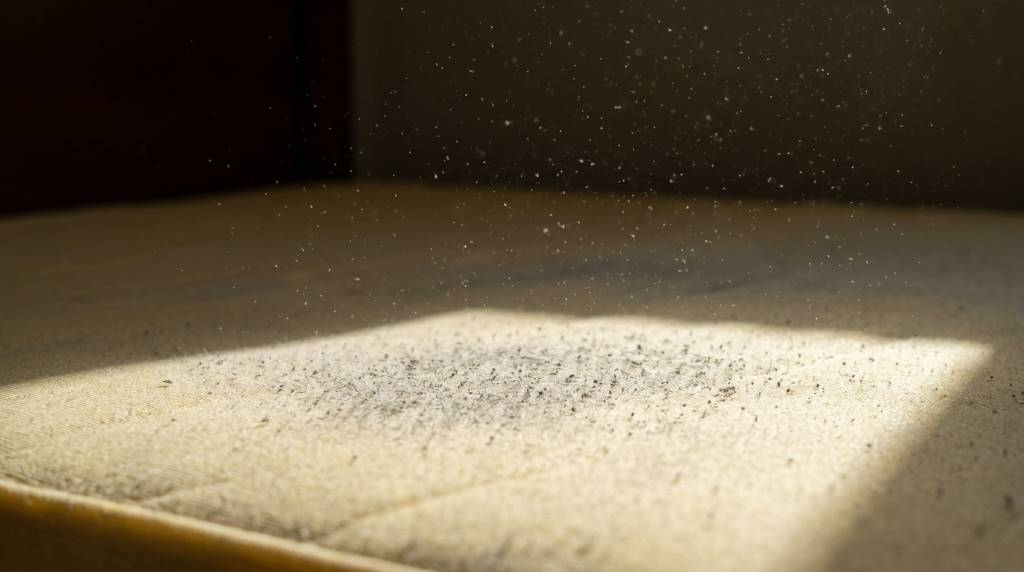
Phoenix experiences low humidity for much of the year. As a result, lightweight dust particles stay airborne longer. These particles eventually settle on mattresses, bedding, and upholstered furniture. Moreover, open windows and frequent foot traffic increase dust accumulation indoors.
Desert dust contains fine particles that easily enter homes through doors and ventilation systems. Consequently, mattresses become large collection points because they provide a textured surface. Skin cells also add to the buildup over time. Therefore, routine cleaning plays an important role in maintaining a cleaner sleeping environment.
Many residents focus on floors while ignoring mattresses. However, dust often settles deep into mattress fibers. Over time, the accumulation becomes difficult to remove completely. Therefore, preventive habits work better than occasional deep cleaning.
Start With a High Quality Mattress Cover
A mattress cover creates a protective barrier between the mattress and airborne dust. As a result, fewer particles reach the mattress surface. Furthermore, washable covers simplify regular maintenance. This simple step can significantly reduce dust accumulation.
Choose a tightly woven cover designed for allergen protection. Additionally, ensure the cover fully encloses the mattress. Small openings allow dust to enter and collect inside. Therefore, complete coverage provides better long term protection.
Wash mattress covers every few weeks. Meanwhile, inspect them for tears or worn sections. Damaged covers lose effectiveness over time. Consequently, replacing them when needed helps maintain consistent protection.
Wash Bedding More Frequently
Sheets, blankets, and pillowcases collect dust daily. Therefore, regular washing removes particles before they migrate to the mattress. Many cleaning experts recommend weekly washing schedules. Consistency remains more important than occasional deep cleaning.
Hot water often removes dirt and allergens more effectively. Additionally, proper drying prevents moisture related issues. Clean bedding also improves sleeping comfort. As a result, bedrooms feel fresher and cleaner.
Many homeowners overlook decorative pillows and comforters. However, these items attract significant dust throughout the year. Therefore, include them in your cleaning schedule. A complete bedding routine delivers better results.
Improve Bedroom Airflow and Dust Control
Good airflow helps reduce particle buildup inside bedrooms. However, airflow should work with filtration rather than open exposure. Therefore, clean air systems play a major role in dust reduction. Balanced ventilation supports a healthier sleeping space.
Ceiling fans often redistribute dust when blades become dirty. Consequently, clean fan blades regularly to prevent circulation of accumulated debris. Likewise, dust vents and air returns every month. Small maintenance tasks create noticeable improvements.
Home organization also contributes to dust management. For example, furniture placement influences how particles move through rooms. Similarly, design strategies such as vertical timber to create zones can help separate living spaces and limit dust movement between areas.
Vacuum the Mattress Correctly
Vacuuming remains one of the most effective mattress cleaning methods. However, technique matters just as much as frequency. Therefore, use a vacuum equipped with a quality filtration system. Slow and deliberate passes remove more embedded dust.
Begin at the top of the mattress and move methodically downward. Additionally, pay close attention to seams and edges. Dust frequently accumulates in these hidden areas. Consequently, detailed cleaning delivers better results.
Repeat the process every month for routine maintenance. During dust storm seasons, increase the frequency if needed. Furthermore, rotate the mattress according to manufacturer recommendations. This practice promotes even wear and easier cleaning.
The Hidden Role of Bedroom Storage
Many Phoenix residents store extra blankets, clothing, and seasonal items inside bedrooms. Unfortunately, clutter creates additional dust collecting surfaces. Therefore, organized storage helps reduce airborne particles. Less exposed fabric often means less dust accumulation.
Closed storage solutions generally outperform open shelving. Additionally, sealed containers prevent dust from settling on stored items. This reduces the amount of debris returning to the room. Consequently, the mattress remains cleaner for longer periods.
Bedrooms that share walls with other living spaces may experience increased noise and dust movement. Therefore, solutions like benefits of fitted wardrobes can support cleaner and more organized environments while improving room functionality.
Address Phoenix Dust Storm Challenges
Phoenix dust storms create unique cleaning challenges. During storm events, fine particles can enter homes quickly. Therefore, preparation becomes essential. Small preventive actions can greatly reduce indoor contamination.
Keep windows closed during dust advisories. Additionally, inspect door seals and window weatherstripping regularly. Gaps allow dust to enter continuously. Consequently, maintaining tight seals protects indoor spaces.
After a dust storm, clean surfaces promptly. Otherwise, particles continue circulating through the room. Vacuum floors, bedding, and upholstered furniture as soon as possible. Early action limits long term accumulation.
An Overlooked Dust Source Most Blogs Ignore
Many articles discuss bedding and flooring. However, few mention static electricity as a dust contributor. In Phoenix, extremely dry air often increases static buildup. Consequently, fabrics attract airborne particles more easily.
Mattress materials, synthetic sheets, and nearby furniture can develop static charges. As a result, dust clings to surfaces instead of settling elsewhere. Therefore, choosing breathable natural fabrics may help reduce attraction. This factor often explains why some bedrooms gather dust faster than others.
Adding modest indoor humidity within recommended levels may also reduce static conditions. However, avoid excessive moisture. Balanced humidity supports comfort while limiting unnecessary dust attraction. This uncommon factor deserves more attention in desert climates.
Keep Flooring Dust Free
Bedroom floors serve as major dust reservoirs. Consequently, movement throughout the room lifts particles into the air. These particles eventually settle on mattresses and bedding. Therefore, regular floor cleaning remains essential.
Hard flooring often traps less dust than thick carpeting. However, both surfaces require routine maintenance. Vacuum carpets frequently and mop hard floors consistently. As a result, fewer particles reach sleeping areas.
Pay special attention to corners and under furniture. Dust commonly accumulates in these overlooked spaces. Therefore, include them during every cleaning session. Thorough cleaning reduces recurring dust problems.
Maintain HVAC Systems Properly
Your HVAC system affects indoor dust levels every day. Therefore, replacing filters on schedule remains important. Dirty filters lose efficiency and recirculate particles. Consequently, clean filters support better indoor air quality.
Inspect vents and ducts periodically. Additionally, remove visible dust buildup around registers. This prevents debris from reentering living spaces. As a result, bedrooms stay cleaner between cleaning sessions.
Roof maintenance also supports overall home cleanliness. For example, understanding roof cleaning myths that affect homeowners can help prevent maintenance mistakes that indirectly contribute to indoor debris issues.
Daily Habits That Reduce Mattress Dust
Simple habits often produce the biggest results. Therefore, make the bed each morning after allowing brief ventilation time. This routine helps manage moisture and dust. Consistency creates noticeable improvements over time.
Remove shoes before entering bedrooms whenever possible. Additionally, limit unnecessary fabric items in sleeping spaces. Fewer dust collecting materials reduce overall accumulation. Consequently, cleaning becomes easier.
Consider these practical habits:
- Wash sheets weekly.
- Vacuum mattresses monthly.
- Dust furniture twice weekly.
- Replace HVAC filters regularly.
- Keep windows closed during dust storms.
- Reduce bedroom clutter.
Conclusion
Reducing bedroom dust on mattresses in Phoenix requires a combination of prevention and routine maintenance. Regular cleaning, protective covers, better airflow, and organized storage all contribute to cleaner sleeping conditions. Furthermore, addressing overlooked factors such as static electricity can provide additional benefits. Small habits performed consistently often create the greatest impact. Start implementing these strategies today and enjoy a fresher, cleaner, and more comfortable bedroom environment throughout the year.
FAQs
How often should I vacuum my mattress in Phoenix?
Vacuum your mattress at least once a month and more often during dust storm seasons.
Do mattress protectors really reduce dust?
Yes, quality mattress protectors help block dust and allergens from reaching mattress surfaces.
Can dust storms affect indoor mattresses?
Yes, fine desert particles can enter homes and settle on mattresses during dust storms.
What bedding material attracts less dust?
Natural breathable fabrics often attract less dust than many synthetic alternatives.
Does bedroom clutter increase dust levels?
Yes, clutter creates additional surfaces where dust can collect and circulate.