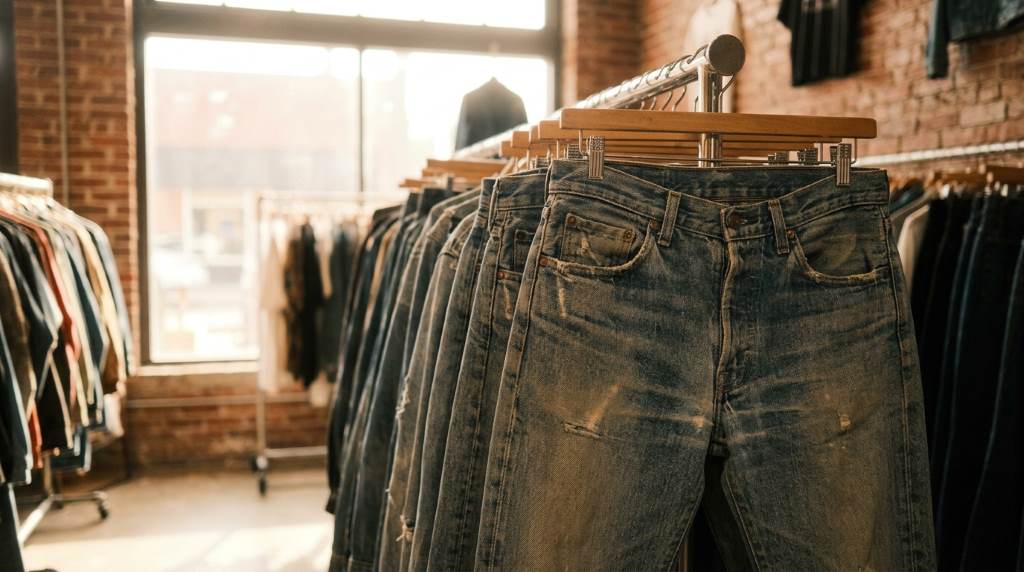
Vintage clothing continues attracting more shoppers because quality garments often outlast many modern alternatives. Recent resale market studies estimate the global secondhand apparel industry will keep growing rapidly, while millions of garments avoid landfill waste every year. If you love timeless fashion, restoring faded pieces creates lasting value without replacing treasured items. Many style enthusiasts also follow upcoming spring collections for fresh inspiration before refreshing classic wardrobe favourites.
Faded vintage clothes often look worn because sunlight, repeated washing, and improper storage slowly weaken fabric dyes. Fortunately, careful restoration techniques can refresh colours while protecting delicate fibres. This guide explains practical methods that help restore cherished garments with confidence and long lasting results.
Understand Why Vintage Clothes Lose Their Colour
Every restoration begins by identifying why colours faded in the first place. Cotton, linen, silk, and wool all react differently to sunlight, detergents, and moisture. Understanding fabric behaviour helps you avoid unnecessary damage during restoration. You can also complement restored outfits with tasteful accessories after reading about common symbols in jewelry.
Sun Exposure
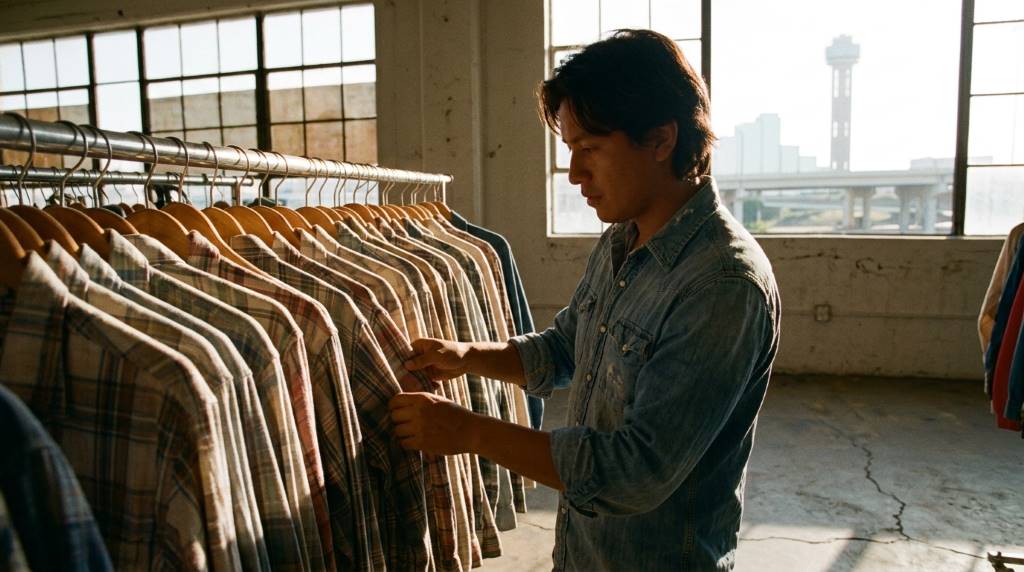
Direct sunlight slowly breaks down dye pigments across natural and synthetic fibres. Window displays and outdoor drying usually create uneven fading over time.
Harsh Laundry Products
Strong bleach and aggressive detergents remove stains but also strip colour from delicate fabrics. Gentle cleaning products always preserve vintage garments much better.
Poor Storage Conditions
Humidity, dust, and fluctuating temperatures gradually weaken fibres while dulling original colours. Proper storage greatly extends the life of treasured clothing.
Inspect Each Garment Before Restoration
Never rush into washing or dyeing vintage clothing before checking its condition carefully. Small tears, loose stitching, and weakened seams require repair before deeper cleaning begins. A careful inspection prevents larger problems during restoration.
- Check labels for fibre content.
- Inspect seams for loose threads.
- Look for hidden stains under collars.
- Examine buttons, zippers, and decorative trims.
- Test colourfastness on an inside seam.
Clean Vintage Clothes With Gentle Techniques
Cleaning removes dirt that often makes colours appear dull instead of truly faded. Mild detergents clean effectively while preserving delicate fibres and vintage finishes. Building better clothing habits also supports a sustainable and ethical wardrobe for years ahead.
Hand Wash Whenever Possible
Fill a basin with cool water before adding gentle detergent designed for delicate fabrics. Swish garments slowly instead of twisting or scrubbing aggressively.
Rinse Carefully
Fresh water removes detergent residue without stressing fragile fibres or decorative details. Continue rinsing until water becomes completely clear.
Dry Naturally
Lay garments flat on clean towels after gently pressing away excess moisture. Avoid direct sunlight because fresh cleaning makes fibres especially vulnerable.
Restore Colour Without Damaging Fabric
Colour restoration works best after garments become completely clean and fully dry. Always select techniques that match the original fibre type and garment condition. Testing products first protects irreplaceable vintage clothing.
Use Fabric Safe Dye Refreshers
Commercial colour restoring products help revive many cotton and linen garments successfully. Follow manufacturer instructions carefully for even colour distribution.
Natural Colour Boosting Methods
Certain natural ingredients slightly deepen existing colours without harsh chemical exposure. Black tea may enhance darker fabrics, while coffee sometimes refreshes brown shades.
Professional Fabric Dyeing
Some treasured garments deserve professional dye restoration instead of home treatment. Experienced specialists understand delicate fibres and complex vintage construction.
Repair Small Damage Before Wearing Again
Fresh colours deserve equally strong construction for lasting results. Simple repairs prevent small flaws from becoming expensive restoration projects. Even beginners can complete basic maintenance with patience.
- Replace loose buttons immediately.
- Reinforce weak seams with matching thread.
- Repair tiny holes before washing again.
- Replace damaged zippers when necessary.
- Steam garments gently after repairs.
Store Restored Vintage Clothes Properly
Proper storage preserves restored colours and protects delicate fibres from unnecessary wear. Simple habits make restoration results last much longer. Prevention always costs less than repeated restoration.
Choose Breathable Storage
Cotton garment bags allow airflow while reducing dust accumulation throughout the year. Plastic covers often trap moisture around delicate fabrics.
Control Light Exposure
Dark wardrobes and shaded closets help maintain colour richness for extended periods. Limited sunlight keeps restored dyes looking brighter.
Avoid Overcrowding
Extra space between garments prevents wrinkles while reducing friction during storage. Clothing also maintains its original shape more effectively.
Common Mistakes That Fade Vintage Clothing Faster
Many restoration efforts fail because everyday habits continue damaging garments afterward. Recognising these mistakes helps protect your investment. Small improvements often deliver significant long term benefits.
- Using hot water for delicate fabrics.
- Drying clothes under direct sunlight.
- Applying bleach to coloured garments.
- Ignoring care labels before washing.
- Storing clothes inside damp spaces.
When Professional Restoration Makes Sense
Some heirloom garments hold sentimental or financial value beyond ordinary clothing. Professional restoration protects rare fabrics using specialised equipment and advanced techniques. Seeking expert help often saves irreplaceable vintage pieces.
Wedding dresses, embroidered jackets, leather garments, and silk collections usually benefit from experienced restoration specialists. Expert assessment reduces unnecessary risks while delivering more consistent restoration results.
Final Thoughts
Reviving faded vintage clothes takes patience, careful cleaning, thoughtful repairs, and proper storage habits. Every successful restoration preserves craftsmanship while extending the life of unique garments. Start with gentle methods, protect delicate fabrics, and enjoy wearing restored vintage fashion with confidence. Share these restoration tips with fellow vintage lovers and begin refreshing your favourite wardrobe pieces today.
Frequently Asked Questions
Can faded vintage clothes regain their original colour?
Many garments can recover much of their appearance through careful cleaning and suitable colour restoration methods.
Is hand washing better for vintage clothing?
Yes, hand washing usually protects delicate fibres better than machine washing.
Should I use bleach on faded vintage garments?
No, bleach often causes further fading and weakens older fabrics.
How often should vintage clothes be washed?
Wash vintage clothing only when necessary to preserve colour and fabric strength.
Can professional restoration improve valuable vintage clothing?
Yes, experienced specialists often achieve safer and more effective restoration for valuable garments.