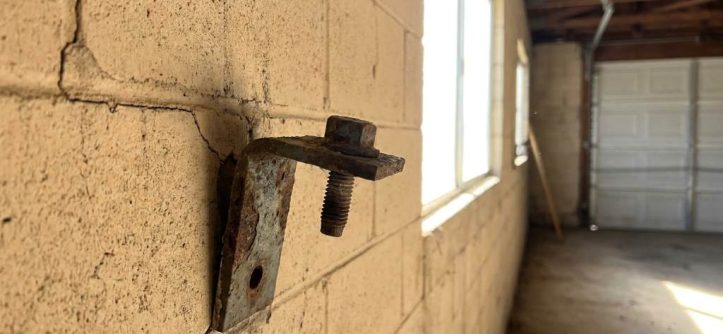
Masonry garage mounts loosen in Phoenix mainly because extreme heat, vibration, moisture, and weak installation gradually reduce holding strength. Phoenix recorded 18 days above 110°F in August, while the average maximum reached 109.4°F. These conditions make installation quality especially important, particularly when learning how to set concrete sleeve anchors correctly.
Key Takeaways
- Extreme heat repeatedly expands and contracts masonry and mounting hardware.
- Improper anchor depth can leave garage mounts vulnerable to movement.
- Dust inside drilled holes can prevent anchors from gripping properly.
- Monsoon moisture can accelerate corrosion around exposed mounting hardware.
- Overtightening can damage masonry and reduce an anchor’s effective holding power.
- Regular inspections can catch movement before serious wall damage develops.
How Phoenix Heat Weakens Garage Mount Connections
Phoenix heat creates an unusually demanding environment for masonry-mounted garage equipment. Concrete, mortar, steel, and aluminum respond differently when temperatures rise and fall.
During intense afternoons, exposed garage walls absorb substantial solar heat. Consequently, the masonry surface can become much hotter than surrounding air.
Different materials expand at different rates as temperatures change. This repeated movement places stress around anchor holes and mounting plates.
The problem becomes more noticeable when equipment carries constant weight or experiences regular vibration. Over time, small movements can enlarge the hole around an anchor.
Garage doors create another source of repeated mechanical movement. Their openers, tracks, brackets, and hardware transmit vibration into nearby mounting points.
Therefore, a connection that initially feels solid can gradually develop minor movement. That movement often becomes noticeable through rattling, shifting brackets, or loose hardware.
Proper garage organization also helps reduce accidental impacts around mounted equipment. A practical sort out your garage approach can keep stored items away from vulnerable mounts.
Why Thermal Movement Matters
Steel anchors generally handle heat well, but surrounding masonry can still experience repeated expansion. Those movements transfer stress directly into the anchor interface.
Repeated stress does not always cause immediate failure. Instead, it can slowly reduce friction and enlarge small imperfections around the anchor.
Consequently, homeowners may notice loose nuts before noticing visible masonry damage. Treating the loose hardware alone may only hide the underlying problem.
How Masonry Condition Affects Anchor Stability
Anchor performance depends heavily on the condition and composition of the masonry. Solid concrete generally provides different holding characteristics than hollow block or deteriorated mortar.
Cracks near an anchor can significantly change how forces travel through the wall. Likewise, weak mortar joints may provide less reliable support than sound concrete.
Before replacing hardware, inspect the surrounding masonry carefully. Look for cracks, crumbling edges, spalling, discoloration, or enlarged holes.
Garage improvements can also change how mounting points perform. For broader maintenance ideas, this improve the look garage guide offers useful planning context.
Concrete Versus Masonry Block
Concrete offers dense material that can provide strong anchoring when installed correctly. Masonry blocks can contain hollow sections that require suitable anchor selection.
Using the wrong anchor for hollow masonry can produce disappointing holding strength. Therefore, identify the wall material before choosing replacement hardware.
Mortar joints deserve special attention during inspection. Anchoring directly into weak mortar can create movement sooner than anchoring into sound masonry.
Cracks Can Signal a Larger Problem
A small crack near an anchor does not automatically mean structural failure. However, growing cracks deserve professional evaluation before reinstalling heavy equipment.
Never force an anchor into damaged masonry simply because the original hole already exists. A compromised substrate may require relocation or repair first.
Why Installation Errors Make Garage Mounts Loosen
Many loose masonry mounts originate from installation mistakes rather than Phoenix weather alone. Even excellent anchors can fail when installers ignore basic preparation.
Hole diameter matters because anchors depend on precise contact with surrounding material. A hole that runs too large can reduce mechanical engagement.
Hole depth also matters because insufficient embedment limits the anchor’s effective gripping area. Always follow the anchor manufacturer’s specified drilling dimensions.
Drilling technique can create another hidden weakness. Excessive pressure, worn bits, or incorrect drilling modes can produce unsuitable holes.
Dust Inside the Hole
Drilling creates dust that can remain inside the anchor hole. That dust can prevent the anchor from contacting clean masonry surfaces.
Therefore, proper hole cleaning should form part of every anchor installation. Use the cleaning method specified for the selected anchor system.
Skipping this step may create a connection that feels tight initially. However, vibration can expose the weakness after repeated garage door cycles.
Overtightening Creates Its Own Problems
Many homeowners assume tighter hardware always means stronger mounting. In reality, excessive torque can damage masonry or distort mounting components.
Follow the manufacturer’s torque requirements instead of relying on maximum hand strength. A calibrated torque wrench provides more consistent results.
Correct tightening should secure the mount without crushing surrounding material. This balance helps preserve both anchor performance and masonry integrity.
How Moisture and Corrosion Affect Phoenix Garage Mounts
Phoenix remains extremely dry for much of the year, but seasonal moisture still matters. Monsoon storms can introduce rain, humidity, and wind-driven water around garage openings.
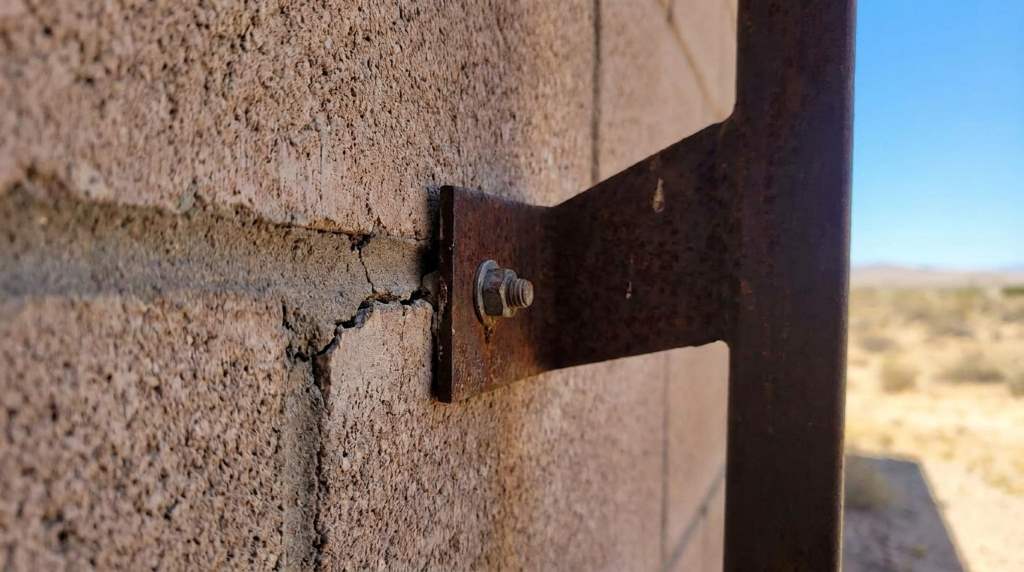
Water can reach anchor holes through cracks, gaps, failed sealants, or exposed fasteners. Repeated moisture exposure can accelerate corrosion on susceptible metal components.
Corrosion changes the surface and can reduce the strength of some fasteners. It can also create expansion products that place pressure against surrounding masonry.
Garage storage choices can influence moisture exposure as well. A useful items store garage strategy can keep moisture-sensitive materials away from leaking areas.
Watch for Corrosion Warning Signs
Inspect exposed hardware for rust, pitting, discoloration, or flaking surfaces. Also check whether washers remain flat and nuts remain properly seated.
Surface rust does not always indicate serious anchor failure. However, deep pitting or severe corrosion deserves replacement and closer substrate inspection.
Do not simply paint over heavily corroded hardware. Coatings can hide deterioration while leaving the underlying connection unreliable.
Why Garage Door Vibration Can Loosen Anchors
Garage doors create thousands of movement cycles during normal household use. Each cycle can transmit vibration through tracks, brackets, openers, and supporting hardware.
Loose tracks can increase vibration and create additional stress throughout the mounting system. Therefore, inspect connected components rather than focusing on one loose bolt.
Door balance also affects mounting loads. An improperly balanced door can force the opener to work harder and increase mechanical stress.
Common Vibration Sources
- Unbalanced garage doors
- Worn rollers and hinges
- Loose track brackets
- Damaged opener components
- Incorrectly installed mounting hardware
- Excessive movement around anchor holes
Fixing the vibration source can protect replacement anchors from premature loosening. Otherwise, new hardware may develop the same problem.
How to Inspect a Loose Masonry Garage Mount
Start by identifying exactly which component moves. A loose nut, bracket, anchor, or masonry section requires a different response.
Next, examine the anchor and surrounding wall under good lighting. Look for cracks, dust, rust, enlarged holes, or visible separation.
Do not immediately tighten hardware without checking the substrate. Tightening a failed anchor can worsen damage around the hole.
A Practical Inspection Sequence
- Turn off or disconnect nearby powered equipment when appropriate.
- Check whether the mounting bracket itself has shifted.
- Inspect nuts, washers, bolts, and anchor bodies.
- Examine masonry for cracks and crumbling material.
- Check the hole for enlargement or visible movement.
- Identify nearby vibration sources.
- Replace damaged components using compatible hardware.
Record what you find before removing the existing hardware. Photos can help compare movement during future inspections.
When You Should Replace the Anchor
Replacement makes sense when an anchor no longer holds securely in sound masonry. It also makes sense when corrosion or physical damage affects the hardware.
An enlarged hole often means the original anchor no longer has dependable engagement. Installing another anchor into the same damaged hole may produce poor results.
Instead, evaluate whether a different anchor size or location suits the masonry. Follow the manufacturer’s requirements for spacing, embedment, and edge distance.
Heavy garage equipment deserves particular caution during repairs. If the mount supports substantial loads, consider professional evaluation before modifying it.
Signs That Require Extra Attention
- Large or spreading masonry cracks
- Repeated anchor movement after tightening
- Severe corrosion around hardware
- Large holes around existing anchors
- Detached or shifting mounting plates
- Unexpected movement from heavy equipment
These symptoms can indicate substrate damage rather than simple hardware loosening. Addressing the root cause provides a more durable repair.
How to Prevent Masonry Garage Mounts From Loosening
Prevention starts with selecting hardware suited to the masonry and expected load. Installation quality then determines whether that hardware performs as designed.
Use the correct drill bit, hole diameter, embedment depth, and cleaning procedure. Also maintain the specified spacing from masonry edges.
Inspect garage door components periodically to reduce unnecessary vibration. Replace worn rollers, hinges, brackets, or other components before they create larger problems.
Keep water away from vulnerable mounting areas whenever practical. Repair cracks and failed sealants before moisture reaches anchor interfaces.
Finally, inspect critical mounts at least periodically. Phoenix’s extreme temperature cycles make preventive checks more valuable than reactive repairs.
A Simple Maintenance Checklist
- Inspect anchors for movement.
- Check surrounding masonry for cracks.
- Look for corrosion on exposed hardware.
- Verify mounting plates remain flush.
- Listen for new vibration or rattling.
- Check garage door balance and movement.
- Address water intrusion promptly.
When to Call a Professional
Some mounting problems require more than replacing a loose nut or bolt. Professional help becomes appropriate when masonry shows significant deterioration.
Heavy equipment also increases the consequences of an improperly repaired mount. A qualified professional can evaluate substrate condition, loading, and anchor selection.
Professional evaluation becomes especially important when several anchors loosen repeatedly. Repeated failure usually suggests an underlying installation, vibration, or substrate problem.
Do not ignore movement simply because the equipment continues operating. Small mounting problems can become expensive repairs when surrounding masonry deteriorates.
Final Thoughts on Loose Masonry Garage Mounts in Phoenix
Masonry garage mounts loosen in Phoenix because heat, material movement, vibration, moisture, corrosion, and installation errors interact over time. Extreme temperatures make weak connections more noticeable and can accelerate existing problems.
The most effective solution begins with identifying the actual failure mechanism. Inspect the masonry, anchor, mounting hardware, and connected equipment before making repairs.
For homeowners, prevention offers the best long-term value. Use compatible anchors, install them correctly, control vibration, and inspect mounting points regularly.
If a garage mount keeps loosening despite proper tightening, stop treating the symptom. Have the connection evaluated and repair the underlying cause before reinstalling the equipment.
Frequently Asked Questions
Why do garage anchors loosen faster in Phoenix?
Extreme heat, repeated thermal movement, vibration, and occasional moisture can gradually weaken masonry anchor connections.
Can I simply tighten a loose masonry anchor?
You can tighten sound hardware, but inspect the anchor and masonry first for damage or hole enlargement.
Does Phoenix heat damage concrete anchors?
Phoenix heat usually affects the surrounding connection through thermal movement rather than directly destroying quality anchors.
Why does a garage door cause mounting hardware to loosen?
Door movement creates repeated vibration that can transfer mechanical stress into nearby brackets and anchors.
When should I replace a masonry garage anchor?
Replace an anchor when it shows damage, severe corrosion, poor engagement, or repeated movement in sound masonry.