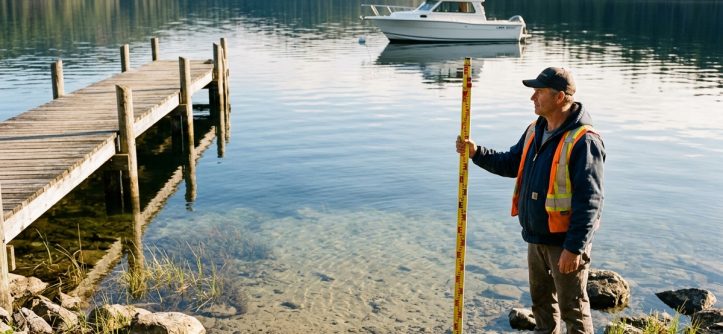
Dock length is one of the first decisions that shapes how well a waterfront setup will work. A dock that is too short may leave a boat in shallow water, while an unnecessarily long structure can add cost, maintenance, and permitting concerns without improving everyday use. A boat dock builder usually looks at the shoreline, water depth, boat size, seasonal changes, and how the property will be used before deciding how far the dock should extend.
Water Depth Comes First
The main goal is to reach water that is deep enough for the boats using the property. That sounds simple, but depth can change quickly from one shoreline to another. A builder may measure depth at several points rather than relying on a single reading near shore.
The boat’s draft matters here. A shallow-draft fishing boat needs less depth than a larger vessel. Builders also allow practical clearance beneath the hull so the boat is less likely to touch bottom as people step aboard, fuel loads change, or waves move through the area.
Seasonal Water Levels Can Change the Answer
A dock that works well in spring may not work as well during a dry summer or during reservoir drawdowns. Tidal properties add another layer because the water level rises and falls every day.
For that reason, floating dock builders often look at the lowest water levels the property normally experiences. The dock may need to extend farther offshore to maintain usable depth through those changes. An aluminum floating dock can move vertically with changing water levels, but its length and anchoring still need to suit the site.
The Bottom Slope Matters
Two properties with the same shoreline depth may need very different dock lengths. One may have a steep underwater drop-off, while the other stays shallow for a long distance.
A gradual bottom slope often requires a longer dock to reach navigable water. A steep drop may allow a shorter layout. Builders also pay attention to bottom material, especially if pilings, anchors, or other support systems are part of the design. Mud, sand, rock, and mixed bottoms can influence how the structure is installed and where it makes sense to place the outer end.
Boat Size and Maneuvering Space
The boat itself affects more than minimum water depth. A dock also needs enough space for safe boarding, tying off, and maneuvering.
A larger boat may need more room along the dock face or a different orientation than a small runabout. Builders may consider turning room, nearby docks, mooring areas, and common wind direction. If several boats will use the dock, the layout may need additional length or a wider platform instead of simply extending straight out.
Shoreline Use Shapes the Layout
Dock length is also tied to what happens on shore. Some owners want a direct path from the yard to the boat. Others need space for swimming, fishing, kayaks, or a sitting area.
A builder may suggest a shorter main walkway with a larger platform at the end, or a longer narrow approach that reaches deeper water efficiently. People comparing aluminum docks or looking at aluminum boat docks for sale should think about these uses before settling on dimensions. The longest dock is not automatically the most useful one.
Local Rules and Site Boundaries
Permitting requirements can limit how far a dock may extend, where it can sit, or how close it can be to neighboring property lines. These rules vary by location, so a contractor usually needs to check the requirements that apply to the specific waterfront.
Environmental conditions can matter too. Sensitive shoreline areas, navigation channels, existing structures, and access for installation equipment may all affect the final layout. A dock length that looks ideal on paper may need to be adjusted once those limits are considered.
Matching Length to Long-Term Use
The best dock length is usually the shortest practical distance that reaches suitable water and supports the way the owner plans to use the property. That approach can reduce unnecessary materials while still providing safe access and enough room around the boat.
Property owners planning a new system can speak with an experienced boat dock builder who can evaluate depth, shoreline conditions, boat requirements, and access before recommending dimensions. Flotation Systems Inc. is a company that works with aluminum docks and floating dock systems, making it a useful resource for owners who want professional input before committing to a final layout.