Key Takeaways
- Small maintenance projects can reduce the likelihood of larger and more expensive damage.
- Wildfire, flooding, freezing temperatures, and wind each require different preparation steps.
- A standard homeowners policy may not cover every type of property loss.
- Photos, receipts, maintenance records, and a home inventory can simplify recovery.
- Review policy limits, deductibles, exclusions, and optional coverage at least once each year.
Utah homeowners can face several kinds of property risks in a single year, from dry-weather fire conditions to snowmelt, heavy rain, freezing pipes, and wind damage. A practical readiness plan combines regular maintenance, emergency preparation, and a clear understanding of homeowners insurance in Utah before a loss occurs.
Why Home Readiness Matters
Home readiness is not about expecting the worst. It is about making manageable decisions before an emergency adds pressure. Fast-changing weather, nearby development, aging systems, and higher material and labor costs can make even a minor leak, fallen branch, or small exterior fire more disruptive than expected.
Utah households should also plan for connected risks. A wildfire can leave nearby slopes and drainage areas more vulnerable when heavy rain follows, while winter freezes can expose weaknesses in pipes, hose connections, and older appliances. A short seasonal checklist helps turn broad concerns into specific tasks.
Start With a Simple Home Risk Check
Set aside about 30 minutes to walk through the home and property. The goal is to spot ordinary maintenance issues before they become urgent repairs.
- Inspect the roof, gutters, siding, windows, foundation, and exterior caulking.
- Look for dry vegetation, loose branches, and stored materials near the house.
- Check hose bibs, exposed pipes, appliance supply lines, sump pumps, and shutoff valves.
- Test smoke alarms and carbon monoxide detectors, then replace weak batteries.
- Review extension cords, older appliances, space heaters, and overloaded outlets.
- Photograph valuable belongings and key areas of the home for your records.
Reduce Wildfire Risk Around the Property
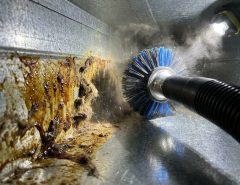
Wildfire preparation often begins with reducing the materials that can catch fire close to the home. Embers can travel ahead of a fire, so the roofline, gutters, vents, deck area, and landscaping all deserve attention.
- Remove dry leaves, pine needles, dead plants, and debris from around the structure.
- Trim branches that touch the roof or sit close to exterior walls and windows.
- Move firewood, fuel containers, and propane cylinders away from the main building.
- Clean gutters, roof valleys, outdoor drains, and accessible vents.
- Consider lower-combustibility materials when replacing fencing, mulch, or landscaping.
- Ask local fire officials about defensible-space and home-hardening recommendations.
Plan for Flooding, Including Post-Fire Flooding
Flood planning matters even when a home is not near a river or inside a mapped high-risk area. Heavy rain, snowmelt, clogged drainage, runoff from new construction, and post-fire conditions can all send water toward a property. Utah’s flood insurance guidance explains that homeowner’s policies generally do not cover flood events, which makes it important to understand the difference before water enters the home.
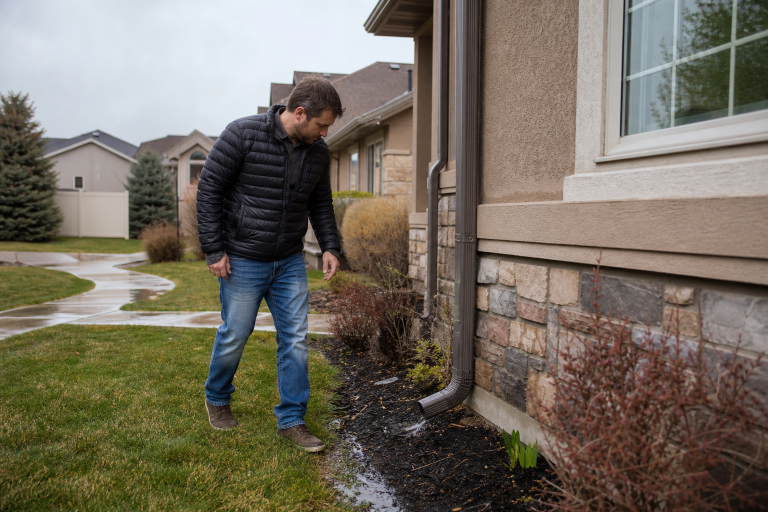
- Watch where water flows during heavy rain and correct grading problems when possible.
- Keep storm drains, culverts, gutters, and window wells clear of debris.
- Store documents, electronics, keepsakes, and chemicals above floor level.
- Learn how to shut off water, gas, and electricity safely if conditions require it.
- Keep flashlights, gloves, plastic sheeting, basic tools, and emergency contacts accessible.
Prepare for Freezing Temperatures and Water Damage
A short freeze can lead to burst pipes, damaged flooring, and expensive cleanup. Insulate exposed plumbing in garages, crawl spaces, and unheated areas. Disconnect and drain outdoor hoses before sustained freezing weather, keep indoor heat at a safe setting when traveling, and open sink cabinets during severe cold so warm air can reach pipes. It is also wise to know the main water shutoff location and replace worn supply lines on washing machines, dishwashers, and water heaters.
Review What a Homeowners Policy Usually Does
Policies vary, but homeowner’s coverage commonly includes several broad categories:
- Dwelling coverage: May help repair or rebuild the main structure after a covered loss.
- Other structures coverage: May apply to detached garages, sheds, fences, and similar property.
- Personal property coverage: May help replace belongings damaged or stolen in a covered event.
- Loss of use coverage: May help with certain additional living costs when the home cannot be occupied.
- Personal liability coverage: May help with covered claims involving injury or property damage to others.
Coverage always depends on the policy language, cause of loss, limits, deductibles, exclusions, and endorsements. Do not assume a policy pays for damage caused by wear, neglect, groundwater, or every type of weather event.
Know Which Risks May Need Extra Coverage
Some important risks may require separate protection or higher limits. Flood and earthquake losses are commonly treated differently from standard homeowner’s claims. The state’s disaster preparedness information notes that typical homeowner’s policies do not cover flood and earthquake damage, so homeowners should ask specific questions rather than relying on assumptions.
- Flood coverage may require a separate policy.
- Earthquake coverage may require an endorsement or separate policy.
- Jewelry, collectibles, tools, electronics, and art may have special limits.
- Home-based business equipment may have limited protection.
- Rental properties may need landlord coverage rather than owner-occupied coverage.
- Building-code upgrades after a covered loss can create costs beyond a basic repair.
Build a Home Inventory Before a Loss
A home inventory can be completed over a weekend and updated as the household changes. Record each room with photos or video, then list major items with brand, model, age, and estimated value. Save receipts, appraisals, and warranties when available. Keep copies in cloud storage or another secure location away from the home. Update the inventory after remodeling, major purchases, or significant gifts.
What to Do After Home Damage
- Leave the property and call emergency services if conditions are unsafe.
- Take reasonable steps to prevent further damage, but only when it is safe.
- Photograph affected areas before cleaning, repairing, or discarding items.
- Keep receipts for temporary repairs, lodging, meals, and other related expenses.
- Report the loss promptly and ask what documentation is needed.
- Use caution with unsolicited contractors, especially those requesting large deposits.
A 2026 Home Readiness Checklist
- Inspect the roof, gutters, drainage paths, and exterior caulking.
- Remove dry debris and trim vegetation near the home.
- Check pipes, appliance hoses, and water shutoff valves.
- Test alarms and refresh emergency supplies.
- Update the home inventory and store it safely.
- Review coverage limits, deductibles, exclusions, and optional protections.
- Create an evacuation and family communication plan.
Conclusion
A safer home plan does not need to be complicated. Regular maintenance, a current inventory, practical emergency supplies, and an annual policy review can reduce confusion when damage happens. The best time to identify weak spots and ask coverage questions is before the next fire, flood, freeze, or severe storm.