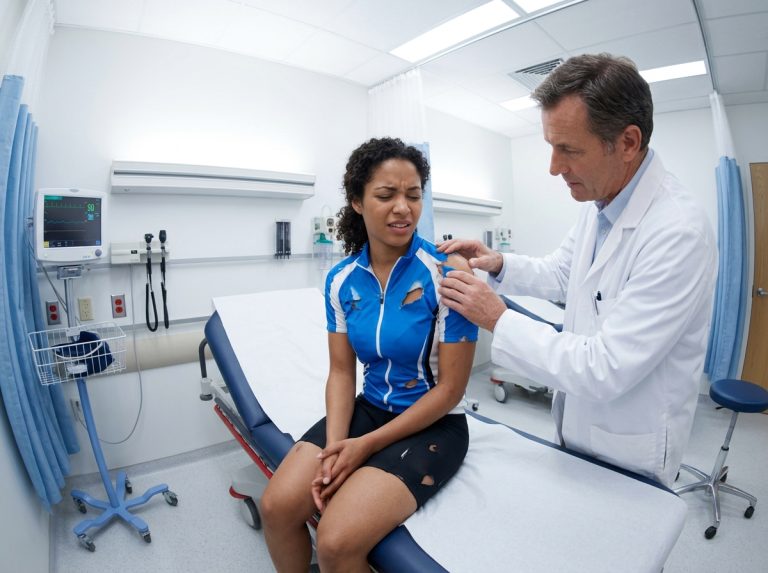



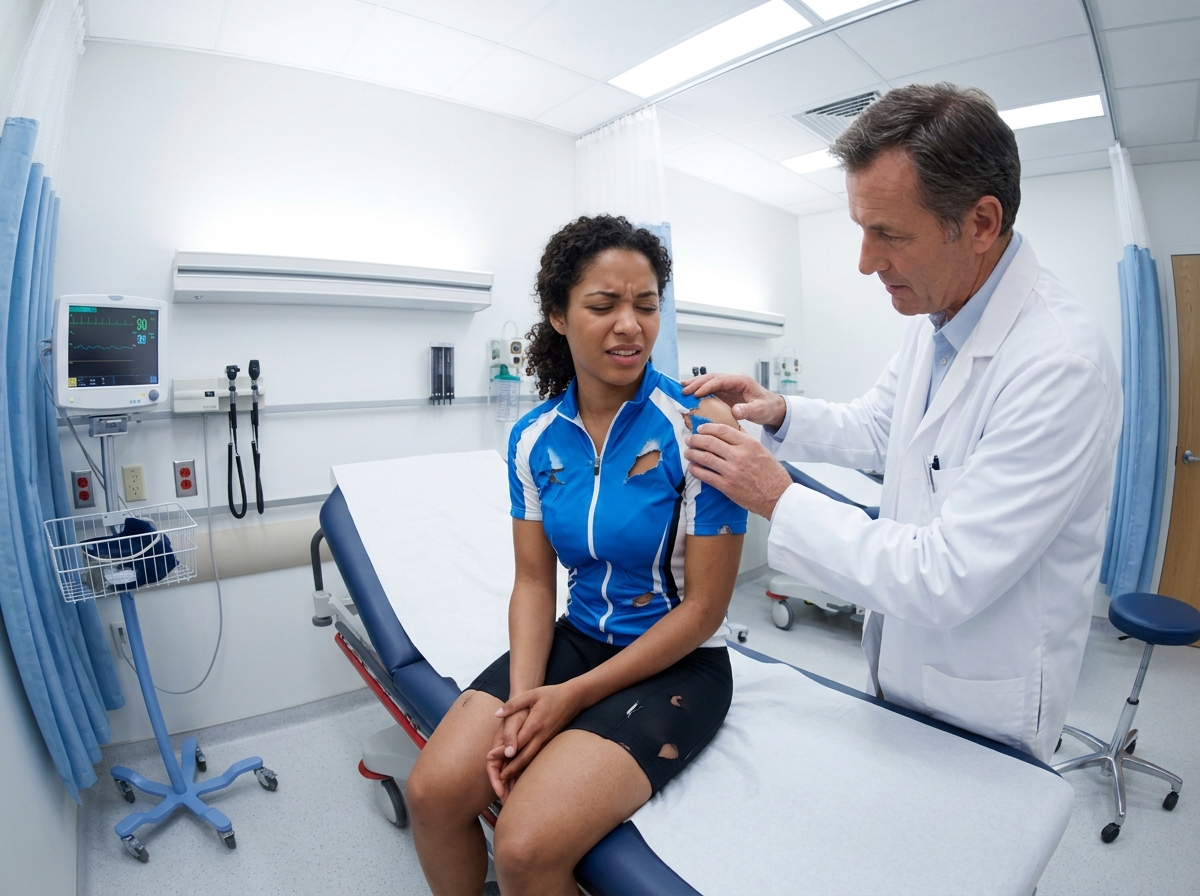
Healing after a cycling collision often takes more than one emergency room visit. A bicycle accident can cause symptoms that change over several days, making follow-up appointments important for both treatment and documentation. Continued care also helps connect later diagnoses, medical costs, and work restrictions to the original bicycle crash.
Why the First Follow-Up Visit Matters More Than It Seems
Emergency departments focus first on injuries that threaten life or require immediate treatment. Follow-up doctors can spend more time checking headaches, stiffness, numbness, limited movement, sleep problems, and other symptoms that were less noticeable during the first examination. Adrenaline, swelling, and shock may hide pain during the early hours after a bike accident.
Accurate records from this visit establish how the cyclist felt after leaving the hospital. Providers may update the diagnosis, order new imaging, change medication, or refer the patient to a specialist. That timeline can become important in bicycle accident claims when an insurer argues that later symptoms came from another event.
Delayed Symptoms Need Prompt Medical Attention
Concussions, soft-tissue injuries, nerve damage, and internal trauma do not always produce immediate warning signs. Headaches, dizziness, confusion, abdominal pain, weakness, tingling, or increasing stiffness may appear after the rider returns home. Sudden breathing trouble, fainting, repeated vomiting, worsening confusion, or severe pain may call for emergency care rather than a routine appointment.
Reporting new symptoms clearly helps medical professionals determine whether the condition relates to the bicycle accident. Patients should explain when each problem started, whether it has grown worse, and how it affects movement or concentration. Vague descriptions can make treatment harder and leave gaps that insurers may later use against bicycle accident cases.
Specialists Can Find Problems a General Exam Misses
Orthopedic doctors may evaluate fractures, torn ligaments, joint damage, or injuries that do not heal as expected. Neurologists can assess concussion symptoms, memory changes, numbness, and balance problems, while pain specialists may address persistent nerve or spinal discomfort. Referrals often depend on what develops during follow-up care after the bicycle crash.
Specialist opinions can also clarify future medical needs. A surgeon may recommend another procedure, or a neurologist may identify long-term cognitive restrictions. These findings can affect the value of bicycle accident claims because they show whether the cyclist faces continued treatment, permanent limitations, or reduced earning ability.
Therapy Records Show How Injuries Affect Daily Function
Physical therapy measures more than pain. Therapists track range of motion, strength, balance, walking ability, grip, and tolerance for repeated activity. Those details may reveal why the injured rider cannot return to work, drive safely, climb stairs, or complete household tasks after a bike accident.
Occupational and cognitive therapy may address different needs. Someone with a hand injury may relearn practical tasks, while a person with brain trauma may work on memory, planning, or concentration. Progress notes often give bicycle accident cases a clearer picture of daily limitations than medical bills or imaging alone.
Treatment Gaps Can Create Insurance Disputes
Missed appointments may give an adjuster a reason to argue that the injury was minor or had already healed. Long breaks in care can also make it harder for doctors to track whether symptoms improved, returned, or worsened. Insurers frequently compare appointment dates with statements about pain and disability.
Legitimate barriers should be documented rather than ignored. Transportation trouble, cost concerns, illness, work conflicts, or delayed insurance approval may explain why treatment paused. Clear notes about those problems can help protect the medical timeline in a bicycle accident claim.
Following Medical Restrictions Protects Recovery and the Claim
Doctors may limit lifting, driving, cycling, screen time, standing, or other activities during recovery. Returning too soon can worsen the injury and create arguments that the cyclist caused part of the later harm. Written restrictions also help employers understand why modified duties or time away from work may be necessary.
Compliance does not mean staying completely inactive unless the provider says so. Approved movement, home exercises, and gradual activity may support healing. Records showing that the patient followed instructions can strengthen bicycle accident claims by demonstrating a reasonable effort to recover.
Medical Bills Should Be Organized From the Beginning
Treatment can generate separate charges from hospitals, physicians, imaging centers, therapists, pharmacies, and ambulance providers. Explanation-of-benefits forms may differ from actual balances, while health insurers or government programs may later request reimbursement from a settlement. Keeping every bill and payment notice prevents important costs from being overlooked.
Receipts for medication, braces, mobility aids, parking, and travel to appointments may also support economic losses. Wage statements and employer letters can document time missed for treatment. Together, those records show how the bicycle accident affected both the cyclist’s health and financial stability.
A Stable Medical Outlook Helps Prevent an Early Settlement
Settlement value is difficult to measure while doctors are still determining whether an injury will heal fully. An early offer may not include future surgery, continuing therapy, chronic pain treatment, or permanent work restrictions. Signing a release before the medical picture becomes clear can leave the injured rider responsible for later expenses.
Physician opinions about maximum medical improvement, future care, and lasting impairment can provide a firmer basis for negotiations. The Lackey Law Firm can review follow-up records, communicate with insurers, document treatment gaps, and connect specialist findings to the bicycle crash. Its legal team can help injured cyclists present bicycle accident cases that account for current care, future medical needs, lost income, and the full effect of the injuries.