DIY projects are more popular than ever. People want to fix, build, and create things on their own. However, tools can be expensive. Many beginners worry that buying low-cost tools means sacrificing quality. That is not always true. With the right approach, you can find reliable tools at a fair price.
This guide will show you how to choose smartly. You will learn how to save money while still getting tools that last. Whether you are starting your first project or upgrading your kit, these tips will help you make better decisions.
Why Affordable Tools Can Still Be High Quality
Many people believe that only expensive tools perform well. However, this is not always correct. Several brands produce tools that are both affordable and durable.
Manufacturers today compete heavily. As a result, they often improve quality while keeping prices low. Additionally, online reviews and user feedback push brands to maintain standards.
Therefore, price alone does not define quality. You need to look at other factors such as materials, design, and user ratings.
Understanding Your DIY Needs First
Before buying anything, take time to understand your needs. This step helps you avoid overspending.
Ask yourself a few simple questions:
- What type of projects will I do?
- How often will I use the tools?
- Do I need heavy-duty performance?
For example, occasional home repairs do not require professional-grade tools. However, frequent use may demand stronger options.
Additionally, making a list of required tools helps you stay focused. It prevents impulse purchases and saves money.
Key Features to Look for in Quality Tools
Even when shopping on a budget, certain features should never be ignored.
Durable Materials
Look for tools made from strong materials such as chrome vanadium steel. These materials resist wear and last longer.
Comfortable Grip
A tool should feel good in your hand. Ergonomic handles reduce strain and improve control.
Precision and Performance
Tools must perform their function well. For example, a screwdriver should fit screws perfectly.
Warranty and Support
A warranty shows that the manufacturer trusts their product. Additionally, it gives you peace of mind.
Where to Find Affordable DIY Tools
Finding good deals requires knowing where to look.
Online Marketplaces
Websites offer a wide range of options. You can compare prices and read reviews easily. Additionally, discounts and deals are common.
Local Hardware Stores
Local shops often provide competitive prices. Moreover, you can inspect tools before buying.
Seasonal Sales and Promotions
Many stores offer discounts during holidays. Therefore, timing your purchase can save a lot of money.
Second-Hand Options
Used tools can be a great choice. However, inspect them carefully to ensure they are still in good condition.
Comparing Brands Without Overpaying
Brand reputation matters, but it does not mean you must choose the most expensive option.
Some lesser-known brands offer excellent value. Additionally, many budget-friendly brands use similar materials as premium ones.
When comparing brands:
- Check customer reviews
- Look at product ratings
- Compare features rather than price alone
This approach helps you find the best balance between cost and performance.
Must-Have Tools for Every DIY Beginner
Starting with essential tools is a smart move. You do not need a large collection right away.
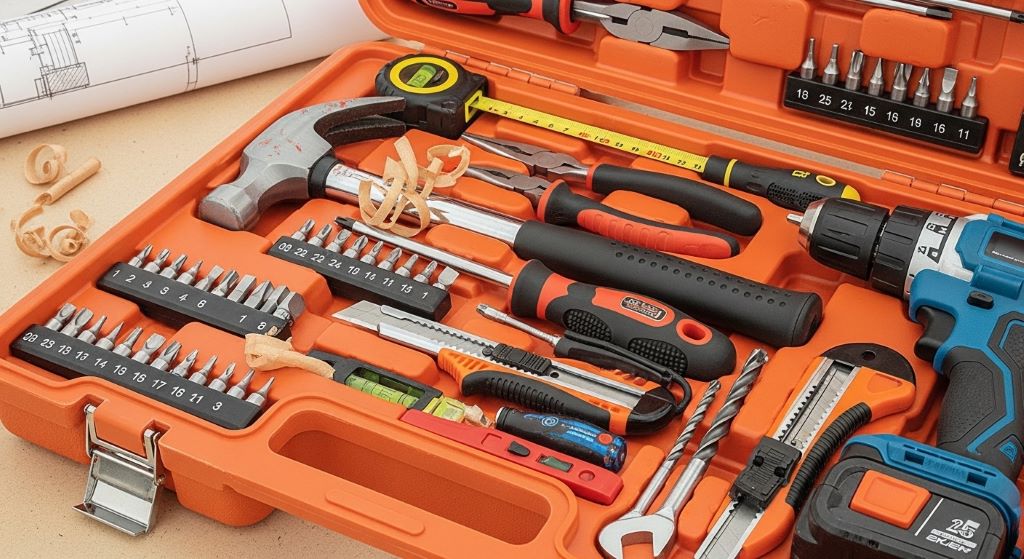
Basic tools include:
- Hammer
- Screwdriver set
- Adjustable wrench
- Tape measure
- Pliers
- Utility knife
A well-chosen cheap tool set can cover most beginner needs. Additionally, buying a set is often more cost-effective than purchasing items individually.
Smart Ways to Save Money on Tools
Saving money does not mean buying the cheapest option available. Instead, it means buying wisely.
Buy Only What You Need
Avoid buying tools you may never use. Focus on essentials first.
Look for Combo Deals
Tool kits and bundles often provide better value. Additionally, they help you build your collection faster.
Use Coupons and Discounts
Many stores offer coupons. Therefore, always check for deals before purchasing.
Consider Refurbished Tools
Refurbished tools are tested and repaired. They often cost less but perform like new.
Common Mistakes to Avoid
Many buyers make simple mistakes that cost them more in the long run.
Choosing Price Over Quality
Extremely cheap tools may break quickly. Therefore, always check quality before buying.
Ignoring Reviews
Customer feedback provides real insights. Skipping reviews can lead to poor choices.
Buying Too Many Tools at Once
It is tempting to buy everything at once. However, this can waste money and space.
Not Checking Compatibility
Ensure tools match your needs. For example, drill bits must fit your drill.
How to Test Tools Before Buying
If possible, test tools before making a purchase.
Check for:
- Weight and balance
- Grip comfort
- Smooth operation
Additionally, inspect for defects or weak parts. A quick check can prevent future issues.
Maintaining Your Tools for Long-Term Value
Proper maintenance extends the life of your tools. Even affordable tools can last years with good care.
Clean After Use
Remove dirt and debris after every use. This prevents damage and rust.
Store Properly
Keep tools in a dry place. Additionally, use toolboxes to stay organized.
Regular Inspection
Check for wear and tear. Replace damaged parts when needed.
When to Upgrade Your Tools
As your skills grow, your needs may change.
You should upgrade when:
- Tools no longer meet your needs
- You use tools frequently
- Projects become more complex
However, do not rush upgrades. Make changes only when necessary.
Balancing Cost and Performance
Finding the right balance is key. You want tools that perform well without overspending.
A mix of affordable and high-quality tools works best. For example, invest more in frequently used tools. However, save money on tools used occasionally.
This strategy ensures both efficiency and savings.
Benefits of Choosing the Right Tools
Choosing wisely brings many advantages.
- Better project results
- Increased safety
- Long-term savings
- Improved confidence
Additionally, having reliable tools makes DIY work more enjoyable.
Conclusion
Finding affordable DIY tools does not mean compromising on quality. With careful planning, research, and smart shopping, you can build a reliable toolkit without overspending.
Focus on your needs first. Look for durable materials and good design. Additionally, compare brands and read reviews before buying. Avoid common mistakes and maintain your tools properly.
A well-selected budget tools collection can serve you for years. Likewise, a good cheap tool set can handle most home projects efficiently. Therefore, make informed choices and enjoy your DIY journey with confidence.
Frequently Asked Questions
-
Are affordable tools reliable for long-term use?
Yes, many affordable tools are durable. However, choosing trusted brands and checking reviews is important.
-
What is the best way to start a DIY toolkit?
Start with essential tools like a hammer, screwdriver set, and pliers. Then expand as needed.
-
Should I buy tool sets or individual tools?
Tool sets are cost-effective for beginners. However, individual tools may offer better quality for specific needs.
-
How can I identify good quality tools?
Check materials, grip comfort, reviews, and warranty. These factors indicate reliability.
-
Is it safe to buy second-hand tools?
Yes, but inspect them carefully. Ensure they are in good working condition before purchasing.
Related Topics:
Timber frame extensions – are they faster and easier to install?
How to Take Care of Your Home and Reduce the Risk of Winter Related Problems