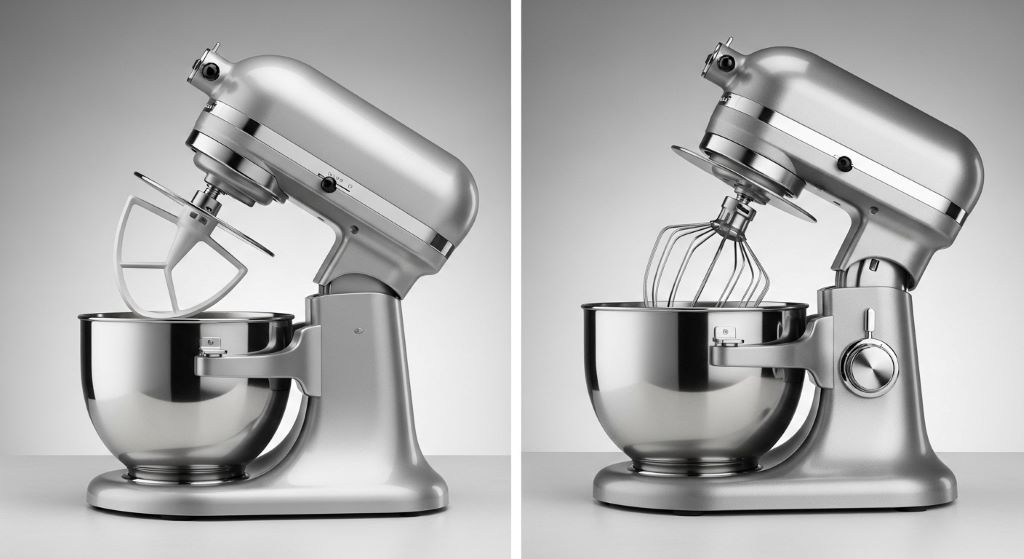
Stand mixers have become essential kitchen companions for home bakers and cooking enthusiasts. However, choosing between tilt-head and bowl-lift models can feel overwhelming. Both designs offer unique advantages, and understanding these differences will help you make the right decision for your baking needs. This comprehensive guide breaks down everything you need to know about these two popular stand mixer styles.
Understanding the Basic Designs
Stand mixers come in two primary configurations. The tilt-head model features a hinged motor housing that tilts backward, providing access to the bowl. Meanwhile, bowl-lift mixers use a lever mechanism that raises and lowers the bowl to meet the stationary mixing head. Each design serves different purposes and suits different baking styles.
The choice between these two options depends on various factors. Your baking frequency, recipe complexity, and available counter space all play important roles. Therefore, examining each design’s characteristics will help clarify which option aligns with your requirements.
Tilt-Head Stand Mixers Explained
Tilt-head mixers offer intuitive operation and user-friendly features. The motor head tilts back smoothly, allowing easy access to add ingredients or change attachments. This design appeals to casual bakers and those who value convenience. Moreover, the compact footprint makes these mixers suitable for kitchens with limited counter space.
These mixers typically handle standard baking tasks efficiently. Making cookie dough, whipping cream, and mixing cake batter are all straightforward with tilt-head models. The bowl capacity usually ranges from 3.5 to 5 quarts, which accommodates most home baking projects. Additionally, the lower price point makes them accessible to beginners exploring stand mixer options.
However, tilt-head designs have limitations worth considering. The tilting mechanism can become loose over time with frequent use. Furthermore, these mixers may struggle with very stiff doughs or large quantities. The attachment hub sits higher, which means you need adequate clearance under cabinets.
Bowl-Lift Stand Mixers Unveiled
Bowl-lift mixers feature a different approach to mixing. Two sturdy arms support the bowl, which rises and lowers using a lever mechanism. This configuration provides exceptional stability during operation. Consequently, these mixers excel at demanding tasks and larger batches.
Professional bakers and serious home cooks often prefer bowl-lift models. The design naturally supports the mixer design comparison between capacity and power. Bowl sizes typically start at 5 quarts and can exceed 7 quarts in some models. This extra capacity proves invaluable when preparing multiple batches or large family recipes.
The stable platform makes these mixers ideal for heavy mixing tasks. Kneading bread dough, mixing thick batters, and working with dense ingredients become manageable. The motor doesn’t need to support the bowl’s weight, which reduces strain on internal components. Therefore, bowl-lift mixers generally offer longer operational lifespans.
One advantage is the lower profile. The bowl sits closer to the counter, requiring less overhead clearance. This makes them suitable for placement under cabinets. However, accessing the bowl requires lifting it first, which some users find less convenient than tilting the head back.
Comparing Capacity and Power
Capacity differences significantly impact your mixing capabilities. Tilt-head mixers usually max out around 5 quarts, which suffices for most home bakers. You can comfortably make two to three dozen cookies or a standard cake recipe. However, scaling up becomes challenging when preparing larger quantities.
Bowl-lift models shine when handling substantial volumes. The 6-quart and 7-quart options accommodate double or triple batches easily. This proves beneficial for holiday baking, meal prep, or feeding large families. Additionally, the larger bowls provide more room for ingredients to incorporate thoroughly.
Power ratings correlate loosely with bowl capacity. Tilt-head mixers typically range from 250 to 325 watts, which handles everyday tasks adequately. Bowl-lift models often feature 325 to 500 watts or more, providing extra muscle for challenging recipes. Nevertheless, wattage alone doesn’t tell the whole story. Motor design and gear construction also influence performance.
Evaluating Stability During Operation
Stability affects both performance and safety. Tilt-head mixers can experience slight movement during operation, especially with thick mixtures. The tilting mechanism creates a higher center of gravity. Consequently, these mixers may walk across the counter when working with dense doughs.
Bowl-lift designs offer superior stability guide principles in their construction. The fixed motor head and supported bowl create a lower center of gravity. This configuration minimizes movement during operation. Therefore, you can confidently tackle demanding recipes without watching the mixer creep across the counter.
The importance of stability increases with recipe difficulty. Light tasks like whipping egg whites rarely cause stability issues. However, kneading whole wheat bread dough or mixing thick cookie batters tests a mixer’s steadiness. Bowl-lift models maintain their position more reliably during these challenging applications.
Considering Ease of Use
Daily convenience matters when choosing kitchen equipment. Tilt-head mixers win points for accessibility. Simply tilt the head back, and you have full bowl access. Adding ingredients mid-mix, scraping down sides, or changing attachments takes seconds. This intuitive design reduces friction in your baking workflow.
Bowl-lift models require an extra step. You must lower the bowl before accessing ingredients or attachments. While not difficult, this adds a small barrier to spontaneous adjustments. However, many users adapt quickly and find the trade-off worthwhile for increased capacity and power.
Attachment changes differ slightly between designs. Both types use a standard hub, but tilt-head models offer easier access. The raised motor head provides clear visibility and comfortable working height. Bowl-lift attachment changes require reaching slightly lower, though this rarely poses problems.
Cleaning considerations also vary. Tilt-head bowls lift out easily once the head tilts back. Bowl-lift models require lowering the bowl before removal. Both designs typically feature dishwasher-safe bowls, making cleanup straightforward regardless of style.
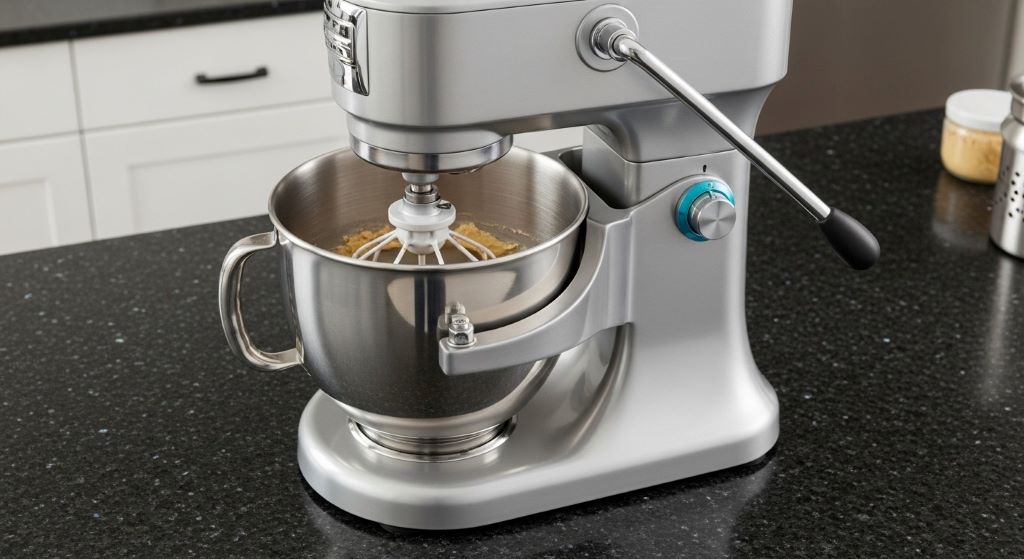
Analyzing Space Requirements
Kitchen real estate influences appliance choices significantly. Tilt-head mixers require adequate overhead clearance for the head to tilt fully. Measure the space under your cabinets carefully. Most models need 16 to 17 inches of clearance, which may exceed available space in some kitchens.
Bowl-lift mixers sit lower overall. The fixed motor head typically requires only 13 to 14 inches of clearance. This makes them suitable for tighter spaces or placement under standard cabinets. However, remember that the bowl must lower completely, so ensure sufficient room below the counter edge.
Footprint size matters too. Tilt-head mixers generally occupy less counter space due to their compact design. Bowl-lift models spread wider to accommodate the arm mechanism. Consider your available counter area when making your decision. Additionally, think about storage if you plan to put the mixer away between uses.
Examining Price Differences
Budget plays a crucial role in appliance selection. Tilt-head mixers typically cost less than comparable bowl-lift models. Entry-level tilt-head mixers start around 200 to 300 dollars, making them accessible to most buyers. Mid-range options offer excellent value for regular home bakers.
Bowl-lift mixers command higher prices due to increased capacity and construction complexity. Expect to pay 350 to 600 dollars or more for quality models. Professional-grade versions exceed this range significantly. However, the investment pays off for serious bakers who demand maximum performance.
Consider long-term value beyond initial cost. A well-chosen mixer should last many years with proper care. Therefore, investing in the right style initially prevents costly upgrades later. Assess your current needs and anticipated future requirements before deciding based solely on price.
Determining Which Tasks You’ll Perform
Your typical recipes guide your mixer selection. Casual bakers who make occasional cookies, cakes, and frosting find tilt-head mixers perfectly adequate. These models handle standard recipes effortlessly and provide reliable performance for everyday baking needs.
Bread enthusiasts should consider bowl-lift options seriously. Kneading dough, especially whole grain or enriched doughs, demands substantial power and stability. Bowl-lift mixers tackle these heavy mixing challenges without strain. The larger capacity also accommodates bigger batches of dough for multiple loaves.
Consider future ambitions too. Perhaps you currently bake simple recipes but dream of tackling artisan breads or elaborate cakes. Choosing a mixer that grows with your skills prevents outgrowing your equipment quickly. Therefore, think beyond immediate needs when making your selection.
Understanding Durability and Longevity
Build quality impacts how long your mixer serves you faithfully. Both designs can offer excellent durability when properly constructed. However, the simpler mechanism of bowl-lift models generally experiences less wear over time. Fewer moving parts mean fewer potential failure points.
Tilt-head mixers face mechanical challenges from the tilting mechanism. The hinge point can loosen with heavy use, causing wobbling or difficulty staying locked. Quality construction mitigates this issue, but it remains a consideration for frequent bakers who demand consistent performance.
Motor durability relates to usage patterns. Regularly pushing a mixer beyond its intended capacity shortens its lifespan. Bowl-lift models tolerate demanding use better due to their robust construction. Nevertheless, respecting capacity limits preserves any mixer’s longevity regardless of design.
Weighing Attachment Compatibility
Both mixer styles typically accept standard attachments. Pasta rollers, food grinders, spiralizers, and numerous other accessories expand functionality. Verify compatibility before purchasing attachments, as some specialized tools may work better with specific designs.
The attachment hub height differs between styles. Tilt-head hubs sit higher, which affects clearance for certain attachments. Bowl-lift hubs position lower, potentially providing better access for some accessories. However, manufacturers design attachments to work with both styles in most cases.
Consider which attachments interest you. If you plan extensive accessory use, research how different models accommodate these tools. Reading user reviews often reveals practical insights about attachment performance with specific mixer designs.
Making Your Final Decision
Choosing between tilt-head and bowl-lift mixers requires honest self-assessment. Think about your baking frequency, typical recipes, and growth aspirations. Casual bakers with limited space and modest needs often find tilt-head mixers ideal. These models provide excellent value and convenient operation for standard baking tasks.
Serious bakers, bread makers, and those preparing large quantities benefit from bowl-lift designs. The increased capacity, enhanced stability, and superior power justify the higher investment. Additionally, if you frequently work with stiff doughs or dense mixtures, the robust construction proves invaluable.
Budget constraints matter but shouldn’t overshadow practical considerations. A less expensive mixer that struggles with your recipes frustrates rather than helps. Conversely, overspending on capabilities you’ll never use wastes money. Match the mixer to your actual requirements for optimal satisfaction.
Conclusion
Selecting between tilt-head and bowl-lift stand mixers depends entirely on your specific baking needs and preferences. Tilt-head models offer convenience, compact size, and affordability for everyday baking tasks. They suit casual bakers perfectly and handle standard recipes with ease. Meanwhile, bowl-lift mixers provide exceptional capacity, stability, and power for demanding applications. They serve serious bakers, bread enthusiasts, and those preparing large quantities beautifully.
Consider your typical recipes, available space, and budget carefully. Think about future needs too, as a quality mixer should serve you for many years. Both designs deliver excellent results when matched appropriately to their intended use. Therefore, understanding these differences ensures you choose the mixer that enhances rather than hinders your baking journey.
Frequently Asked Questions
Can I make bread dough in a tilt-head mixer?
Yes, tilt-head mixers can handle bread dough, but with limitations. They work well for small batches of softer doughs. However, stiff doughs or large quantities may strain the motor and cause stability issues. Consider your bread-making frequency and batch sizes when deciding.
Do bowl-lift mixers take up more counter space?
Bowl-lift mixers typically have a wider footprint due to their arm mechanism. However, they sit lower overall, requiring less overhead clearance than tilt-head models. Measure your available space in all directions before purchasing to ensure proper fit.
Which design lasts longer?
Both designs can last many years with proper care. Bowl-lift mixers generally have fewer mechanical wear points since the motor head stays fixed. However, quality construction matters more than design style for long-term durability.
Are attachments interchangeable between designs?
Most standard attachments work with both tilt-head and bowl-lift mixers from the same manufacturer. However, always verify compatibility before purchasing accessories. Some specialized attachments may perform better with specific designs due to hub positioning.
Should beginners start with tilt-head mixers?
Tilt-head mixers often suit beginners well due to their lower price and user-friendly design. They provide an excellent introduction to stand mixing without overwhelming complexity. However, if you know you’ll tackle challenging recipes, starting with a bowl-lift model prevents needing to upgrade later.
Related Topics:
Did You Know These Kitchen Hygiene Rules?
What Style of Fridge Will Suit You?