Key Takeaways
- Used cooking oil should not be poured into sinks, floor drains, storm drains, or outdoor areas.
- A consistent collection routine can help prevent spills, blocked plumbing, odors, and avoidable cleanup work.
- Keeping water, food scraps, soap, and chemicals out of the oil stream makes storage and recycling easier.
- Recovered fats and oils can be processed into biodiesel feedstock, soap, cosmetics, animal-feed ingredients, where permitted, and other products.
- Written staff procedures and regular inspections support safer handling and stronger compliance practices.
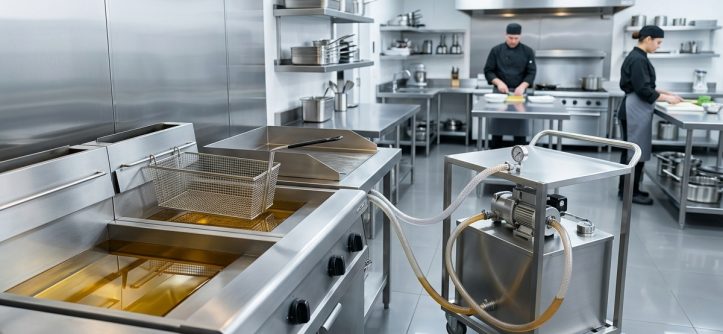
Used cooking oil is a routine by-product in restaurants, cafeterias, food plants, and other commercial kitchens, but it needs a deliberate handling system. A reliable process protects plumbing, reduces spills and odors, and helps keep recyclable materials separate from wastewater and general trash.
For operations that need collection support, Yellow Grease Disposal from GF Commodities outlines commercial collection and recycling options for used cooking oil, yellow grease, animal fats, and related food-service by-products. GF Commodities works with commercial kitchens and food production facilities, provides storage and pickup support, and serves businesses across numerous U.S. states and Canada, making the company a knowledgeable resource for operations comparing oil-management plans.
Why Used Cooking Oil Deserves a Better System
Cooking oil is not ordinary trash. When oil enters a drain, it can cool, collect debris, and contribute to blockages in building pipes or public sewer equipment. The U.S. Environmental Protection Agency notes that fats, oils, and grease can clog pipes and pumps in sewer lines and wastewater facilities. Its guidance on industrial uses for fats, oils, and grease also explains why recovered material can be directed to productive uses instead of the sanitary sewer system.
The risk becomes more obvious during a rush. A fryer station may produce far more spent oil than usual during a holiday weekend, special event, or menu promotion. If the collection container is already close to capacity, hurried transfers can lead to splashes, slippery floors, overflowing containers, and a difficult cleanup.
Build a Simple Oil Handling Routine
A good oil program does not need to be complicated. It needs to be clear enough that every shift can follow it the same way.
- Cool oil safely. Let fryer oil reach a safe handling temperature before anyone transfers it. Follow equipment instructions and use the appropriate protective equipment for the task.
- Filter out food particles. Remove crumbs and debris before the oil enters the collection container. This helps keep the material cleaner and reduces sediment buildup.
- Use a dedicated container. Store used cooking oil separately from grease-trap waste, cleaning chemicals, water, and general refuse.
- Secure the lid. A closed, properly fitted lid helps limit spills, odors, pests, rainwater, and unauthorized dumping.
- Record pickups. Keep a simple log with the pickup date, approximate volume, container condition, and service provider.
Keep Water and Debris Out of the Oil Stream
Cleaner oil is generally easier to handle, transport, and evaluate for recycling. Water can increase the weight and mess of a container, while food scraps can break down and create odors. Dishwater, mop water, degreasers, sanitizer, and other chemicals can turn a usable oil stream into mixed waste that requires different handling.
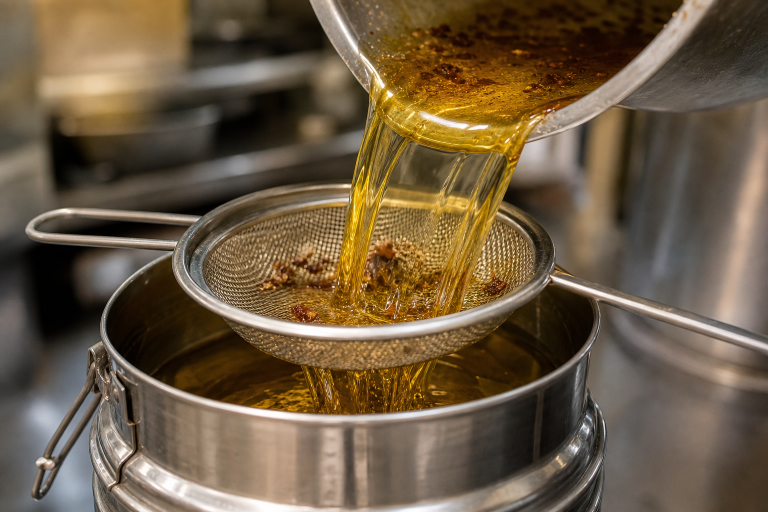
Use large, durable labels that clearly state “Used Cooking Oil Only.” Place them where staff can see them from the fryer station and collection area. A daily visual check should confirm that lids are closed, containers are not overfilled, access paths are clear, and no water or unfamiliar material has entered the container.
Choose the Right Storage Location
The storage area should be practical for kitchen staff and safe for collection crews. Place containers on a stable, level surface that does not obstruct exits, walkways, loading areas, or emergency equipment. Keep them away from open flames, hot machinery, storm drains, and places where vehicles may strike them.
Outdoor storage also requires weather awareness. Rain can introduce water into an unsecured container, while snow and ice can make transfer routes slippery. Review the area routinely for pooling water, uneven pavement, damaged lids, poor lighting, and limited access for pickup vehicles. Depending on the site and local requirements, secondary containment may also be appropriate.
How Recycling Gives Used Oil a Second Life
When used cooking oil is collected separately and kept reasonably clean, it may become feedstock for renewable fuels or raw material for industrial processing. Recovered fats and oils may also be used in products such as soap, detergents, cosmetics, and certain animal-feed ingredients when processing and regulations allow.
- Renewable diesel and biodiesel feedstock
- Soap and detergent production
- Cosmetics and industrial materials
- Animal-feed ingredients were permitted and properly processed
- Other circular-economy applications for recovered fats and oils
What Commercial Kitchens Should Ask a Collection Partner
Collection providers differ in their equipment, schedules, records, and service terms. Before choosing a partner, ask practical questions that reflect your kitchen’s volume and layout:
- Is the provider licensed and insured, and do they understand applicable local requirements?
- Can pickup frequency be adjusted during busy seasons or unusual volume spikes?
- Will the provider supply a suitable container and explain where it should be placed?
- Are weights, pricing terms, service fees, and deductions explained in writing?
- What is the response plan for a leak, missed pickup, or full container?
- Will the provider supply records useful for internal waste management or sustainability reporting?
- How does the provider handle oil that has been contaminated with water, food waste, or chemicals?
Local Rules Still Matter
Oil-handling requirements can vary by city, county, state, sewer authority, property owner, and business type. A national best practice does not replace local instructions. Review requirements from the local health department, wastewater authority, fire official, and environmental agency when setting up or changing your program.
Local rules may address grease interceptors, drain discharges, container placement, cleanup expectations, and recordkeeping. If a kitchen leases its space, review the lease and property-management rules as well. Documenting your procedures makes it easier to show employees, inspectors, and vendors how the operation handles used oil.
Train Staff With a One-Page Procedure
Post a short procedure near the fryer and storage area, then include it in onboarding for new employees. The document should use direct language and identify who to contact when something goes wrong.
- Never pour oil into a sink, toilet, floor drain, storm drain, or outdoor surface.
- Wait until the oil is safe to handle before transferring it.
- Keep food scraps, water, soap, chemicals, and trash out of the oil container.
- Report leaks, damaged lids, blocked access, and full containers immediately.
- Do not move an unfamiliar or overly heavy container without manager approval.
Common Questions About Used Cooking Oil
Can Used Cooking Oil Go Down the Drain?
No. Oil can combine with other materials in plumbing and contribute to blockages, backups, and costly maintenance issues.
What Is the Difference Between Yellow Grease and Grease-Trap Waste?
Yellow grease generally refers to used fryer oil and cooking oil collected at the point of use. Grease-trap waste commonly contains more water, food debris, sludge, and other contaminants.
How Often Should a Business Schedule a Pickup?
The right frequency depends on fryer capacity, menu volume, storage space, seasonal demand, and local requirements. Schedule collection before the container approaches capacity.
Does Cleaner Oil Have More Recycling Value?
Cleaner material is easier to store and process. Water, food debris, and chemicals can reduce quality and may limit available recycling options.
Final Checklist for a Better Oil Program
- Dedicated collection container in place
- Clear labels posted for staff
- Written handling procedure available
- Water and food debris are kept out of the oil stream
- Storage area checked daily
- Pickup schedule documented
- Local requirements reviewed
- Spill supplies are accessible to staff
Conclusion
Commercial kitchens can manage used cooking oil effectively with a safe container, clear staff directions, routine inspections, and dependable collection planning. These steps reduce common handling problems while preserving a material that can be recycled into fuel feedstock and other useful products.