A trend can look effortless on a runway and completely wrong in a grocery store. That gap is where most people get stuck: they sense that beauty and style have shifted, but they can’t tell which changes are durable and which will feel dated within a season. The current wave of modern glamour is unusually practical. It rewards skin quality over heavy coverage, texture over loud color, and pieces you can rewear instead of one-season statements. Skincare-led makeup sits at the center of that shift, and if you want a concrete example of how the category is being evaluated, check out this review of a collagen jelly cream. Below is a clear map of the trends that actually matter, plus how to tell a lasting shift from a passing moment.
Quick Answer
Modern glamour has moved away from heavy coverage and logo-driven status toward skin-first beauty, restrained luxury, tactile fabrics, and personalized color. The trends shaping it are less about buying more and more about choosing better: fewer, higher-quality pieces, a skincare routine that does the work makeup used to do, and finishes that look good in daylight rather than only in photographs. The practical test for any trend is whether it still looks intentional after three months and thirty wears.
Key Takeaways
- Skin-first beauty is the single biggest driver — base makeup is getting lighter while skincare and prep do more of the visible work.
- “Quiet luxury” is really a fit-and-fabric trend, not a price tag; a well-tailored mid-priced piece often reads more expensive than a logo-heavy one.
- Texture, finish, and sheen now matter more than bold color for most everyday looks.
- Most trends follow a predictable path from runway to mass retail, and the sweet spot for adoption is usually before they hit saturation.
- Trends fail most often because people buy the most extreme version first instead of testing a low-cost version of the idea.
What “Modern Glamour” Actually Means Right Now
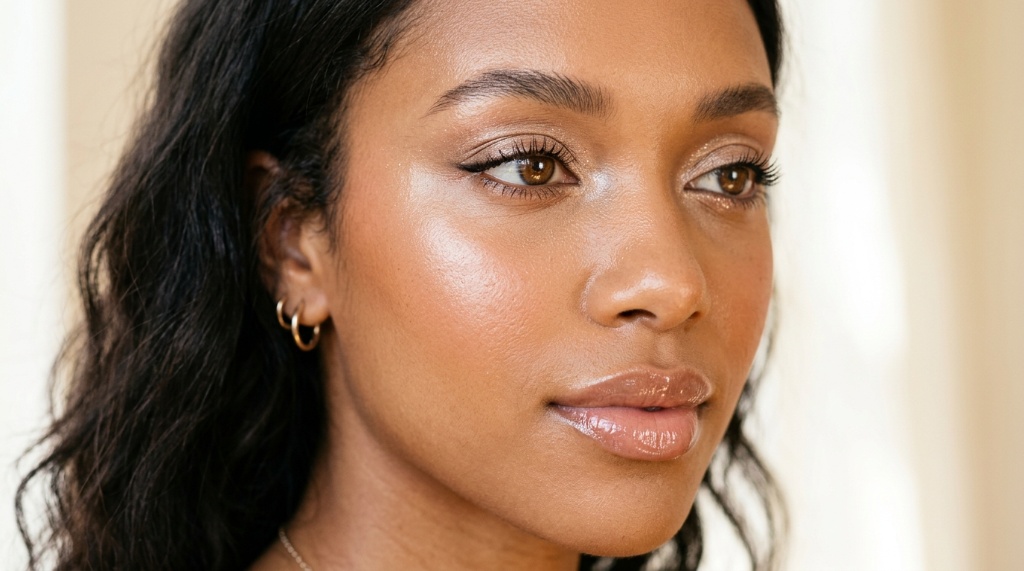
Glamour used to be defined by occasion: evening dresses, full-coverage foundation, statement jewelry. Today it is defined by finish. The goal is to look polished in daylight, at close range, and in motion — not only under flash photography.
That single change explains most of the trends below. When the standard is “looks good up close,” heavy powder, harsh contouring, and stiff fabrics all lose. When the standard is “looks good repeatedly,” disposable trend pieces lose too. What survives is anything that holds up to scrutiny: healthy-looking skin, a clean silhouette, and materials that drape rather than stiffen.
Five Trends Doing the Most Work
1. Skin-First Beauty and Lighter Base Makeup
The most visible shift in beauty is subtraction. Tinted moisturizers, skin tints, and sheer serums have replaced full-coverage foundations for many people, and the prep step has absorbed the difference. Hydration, exfoliation, and barrier care now determine how the base looks, which is why skincare products get judged on how they perform under makeup, not just on their own.
Practically, this means a good routine does two jobs: it improves the skin’s appearance over time, and it creates a smooth surface that makes light coverage look even. If your base separates or clings to dry patches by midday, the fix is usually in prep rather than in a different foundation.
2. Quiet Luxury and Deliberate Restraint
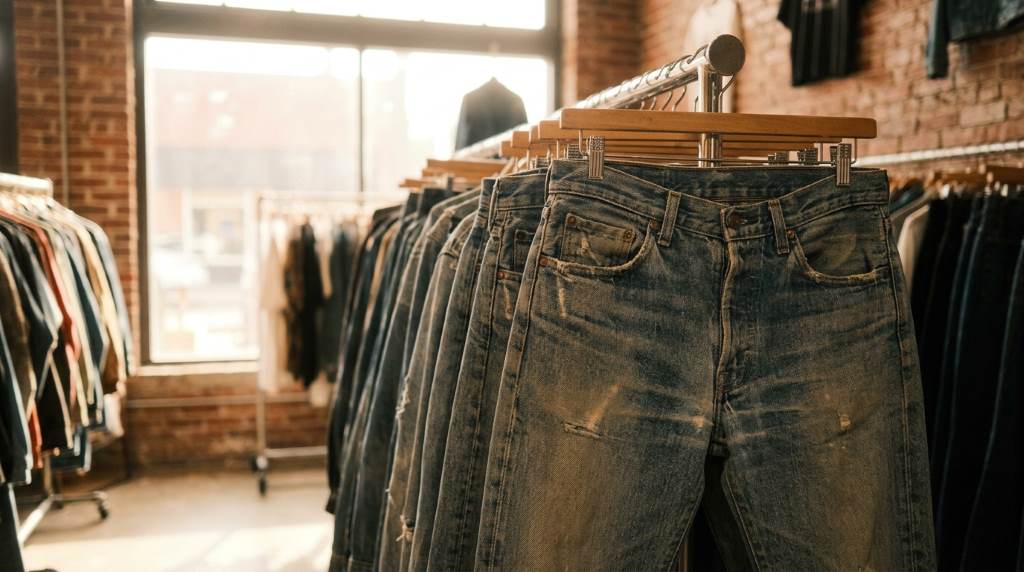
Quiet luxury is often described as a price point. It is closer to a construction standard. The visible signals are consistent: natural fibers, clean seams, a shoulder that sits correctly, and a palette that works across seasons. A plain wool blazer that fits properly reads more expensive than a heavily branded piece that pulls across the back.
The trade-off is real. Restrained clothing is less immediately recognizable, so it depends entirely on fit and material to make an impression. That makes tailoring — not shopping — the highest-return investment in this trend.
3. Texture and Finish Over Color
Where previous cycles leaned on bright color blocking and high-contrast palettes, the current direction favors tone-on-tone dressing and dimensional finishes: satin, brushed wool, ribbed knits, sheer layering. In makeup, the equivalent is a mix of finishes — a satin cheek, a soft matte lip, a subtle sheen on the eyelid — rather than one flat texture across the whole face.
This is one of the easier trends to adopt cheaply. Adding one textural layer to an outfit you already own, or swapping a matte product for a satin one, changes the whole look without a new wardrobe.
4. Personalization Through Technology
Shade-matching tools, virtual try-ons, and diagnostic apps have made customization mainstream rather than niche. The upside is genuine: more accurate foundation matching, better-informed purchases, and less waste from returns. The limitation is that most tools work best in consistent lighting and still struggle with undertones, especially deeper and more olive complexions.
Treat these tools as a starting point, not a verdict. They narrow the field; a physical swatch in daylight still makes the final call.
5. Sustainability as a Filter, Not a Slogan
Sustainability has shifted from a marketing claim to a purchase filter. Buyers increasingly ask about fabric composition, repair options, refillable packaging, and resale value. The practical version of this trend is not buying only from “green” brands — it is buying fewer items that survive more wears and can be resold or repaired.
Be skeptical of vague claims. Terms like “eco-conscious” and “clean” are not standardized, so they say little on their own. Specific, checkable details — fiber content, refill availability, care instructions that extend lifespan — are more useful than a badge, For conscious style choices that complement these aesthetics, explore our guide on sustainable and ethical wardrobe: a complete guide to build a modern eco-friendly closet.
How a Trend Travels From Runway to Your Closet
Understanding the diffusion pipeline helps you decide when to buy. Most trends move through roughly five stages:
- Runway and editorial — the idea appears in extreme, stylized form. Not wearable yet.
- Celebrity and early adopter — the concept is softened and tested on real bodies in real lighting.
- Specialist and mid-market retail — the trend is refined into practical versions. This is usually the best adoption window.
- Mass retail saturation — the look is everywhere, quality is often thinner, and the trend is near its peak.
- Decline or absorption — the trend either disappears or becomes a permanent staple in a toned-down form.
The useful takeaway: buying at stage three gives you the look while it still feels fresh, with better construction than the stage-four version. Buying at stage four is fine if you genuinely love it — just don’t pay premium prices for a look that will read as last season in a few months.
Trend or Fad? A Practical Filter
Not every trend deserves your money. Use these qualitative signals to sort them.
| Signal | Likely a lasting trend | Likely a short-lived fad |
|---|---|---|
| Silhouette | Adjusts existing shapes you already wear | Requires a completely new body proportion |
| Versatility | Works with at least three items you own | Works with one specific outfit |
| Wear frequency | Plausible for weekly wear | Plausible for one event |
| Extremeness | Moderate version exists | Only works in its most dramatic form |
| Maintenance | Standard care, easy to repair | Needs specialist cleaning or constant upkeep |
| Resale | Holds some value or is easy to rehome | Effectively worthless after the season |
Three or more “fad” signals is a strong argument for renting, borrowing, or buying the cheapest possible version.
Common Mistakes When Following Trends
- Buying the extreme version first. The runway version is designed to be photographed, not lived in. Start with the toned-down interpretation.
- Adopting five trends at once. Layered trends cancel each other out and make the look read as costume rather than style.
- Ignoring your existing palette. A trend that clashes with everything you own costs twice — once for the item, once for the replacements it demands.
- Assuming skincare trends are universal. Active ingredients that suit one skin type can damage another. Introduce one new product at a time and give it several weeks before judging.
- Overestimating topical collagen. Collagen is a large molecule and does not penetrate deeply into the skin in its intact form. Collagen creams are best understood as hydrating and film-forming rather than as a way to rebuild the skin’s structural collagen. That does not make them useless — hydration genuinely improves how skin looks — but expectations should match the mechanism.
- Confusing price with quality. Fabric content, seam construction, and fit predict longevity far better than a label.
How to Adopt a Trend Without Wasting Money
- Audit what you actually rewear. Look at the last twenty outfits you genuinely liked. The recurring shapes and colors are your baseline.
- Pick one or two trends that fit that baseline. Anything requiring a full supporting wardrobe is a project, not a purchase.
- Test in the cheapest form available. A borrowed piece, a rental, or a low-cost version tells you whether you enjoy wearing the trend at all.
- Upgrade only what passed the test. Invest in the version you’ll wear at least thirty times, in the best material you can reasonably afford.
- Photograph the look in daylight. Cameras reveal fit problems, sheerness, and color clashes that mirrors hide.
- Reassess after one season. Keep what earned its place; rehome what didn’t.
Frequently Asked Questions
Which beauty trend is most worth adopting right now?
Skin-first beauty, because it improves how every other product performs. A consistent routine of gentle cleansing, moisturizing, and sun protection makes light-coverage makeup look better than heavy makeup ever will. It is also the trend least likely to feel dated, since healthy skin never goes out of style.
Is topical collagen actually effective?
Partially, but not in the way most marketing implies. Intact collagen molecules are too large to penetrate deeply, so topical collagen mainly hydrates and creates a smoothing film on the surface. Hydrolyzed collagen peptides may offer modest benefits, but evidence is limited. Expect improved hydration and texture rather than a structural rebuild.
How can I tell if a trend will last more than one season?
Look at how it evolves. Lasting trends get refined — silhouettes soften, materials improve, and the idea adapts to different body types. Fads stay extreme and peak quickly. If a trend has already produced a wearable, moderate version in mid-market stores, it likely has staying power.
Can I follow trends on a limited budget?
Yes, and often more effectively. Focus on accessories, finishes, and styling rather than new garments. A new belt, a different lip finish, or a fresh way of layering existing pieces can deliver most of a trend’s visual effect at a fraction of the cost. Secondhand and rental options also let you test trends without committing.
Do these trends work the same way for everyone?
No. Coloring, body proportions, skin type, and climate all change how a trend reads. A texture that looks luxurious on one person can look heavy on another. Use trends as direction rather than instruction, and adapt the version that suits your actual circumstances.
How often do beauty and fashion trends cycle?
Broadly, major silhouettes and beauty aesthetics tend to resurface on a roughly twenty-to-thirty-year rhythm, while smaller micro-trends move much faster through social platforms. That is why some “new” trends feel familiar — they are usually reinterpreted versions of something that already existed.
Conclusion
Modern glamour rewards judgment more than spending. The trends worth adopting — skin-first beauty, restrained luxury, textural finishes, personalization, and durability — all share one quality: they look better the more often you use them. Start by auditing what you already rewear, test new ideas in their cheapest form, and invest only in the version you’ll reach for weekly. That approach keeps you current without turning your wardrobe or routine into a revolving door of purchases you regret.