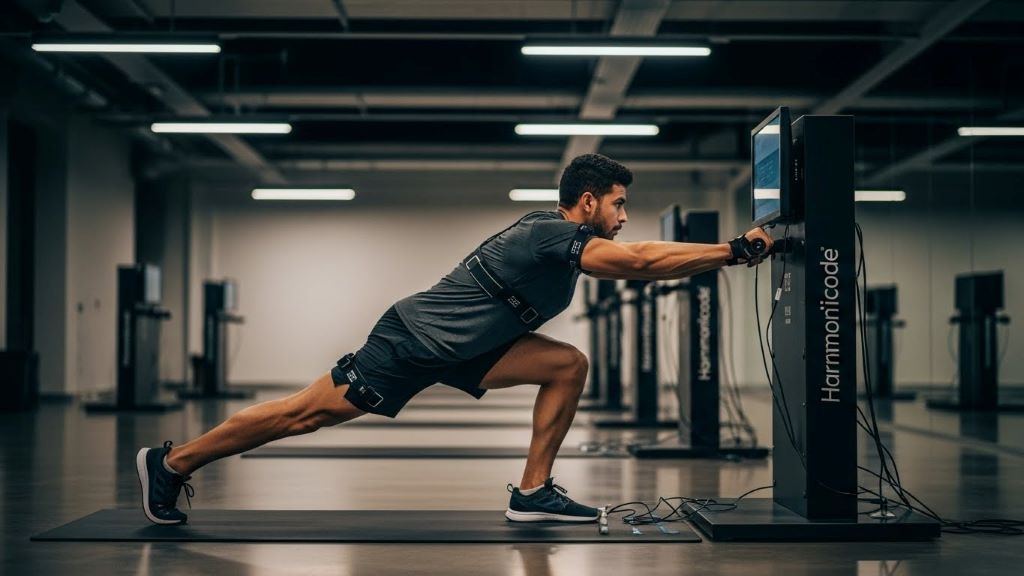
Elite athletes constantly search for new ways to improve their performance. Traditional training methods have their limits. Therefore, innovative approaches like Harmonicode sports technology are changing how athletes optimize their abilities. This cutting-edge system uses advanced algorithms and data analysis to fine-tune athletic performance at the highest levels.
Understanding Harmonicode Sports Technology
Harmonicode sports represents a revolutionary approach to athletic performance enhancement. The system combines biomechanics, neuroscience, and real-time data analysis. Additionally, it creates personalized training programs that adapt to each athlete’s unique physiology. Unlike generic training plans, Harmonicode analyzes thousands of data points to identify specific areas for improvement.
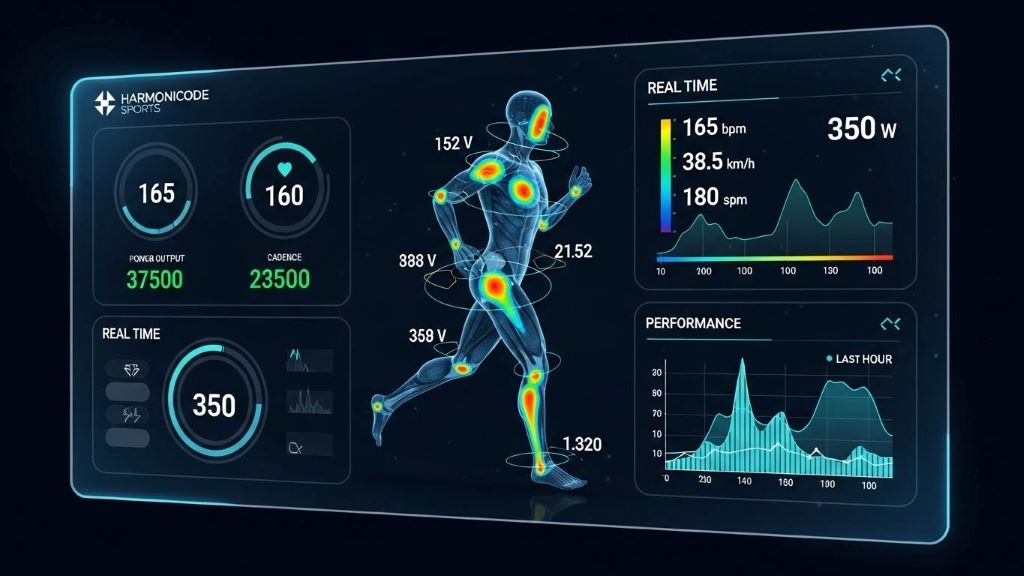
The technology works by monitoring an athlete’s movements, recovery patterns, and physiological responses. Sensors capture detailed information during training and competition. Subsequently, sophisticated algorithms process this data to reveal hidden patterns. These insights help coaches and athletes make informed decisions about training intensity, recovery periods, and technique adjustments.
The Science Behind Performance Tuning
Performance tuning in elite sports requires a deep understanding of human physiology. Harmonicode technology examines multiple factors that influence athletic success. These include muscle activation patterns, energy expenditure, and cardiovascular efficiency. Moreover, the system tracks neurological responses to different training stimuli.
Research from Sports Medicine shows that data-driven training approaches can significantly improve outcomes. Athletes using advanced monitoring systems often achieve faster progress than those following traditional methods. However, success depends on proper implementation and expert interpretation of the data.
The human body adapts to stress in predictable ways. Harmonicode leverages this principle by identifying optimal stress levels for each athlete. Too little stress results in stagnation. Conversely, excessive stress leads to overtraining and injury. The system finds the perfect balance by continuously adjusting training parameters based on real-time feedback.
Key Components of Elite Athlete Tuning
Several essential elements comprise the Harmonicode sports approach. First, biomechanical analysis examines movement efficiency. Cameras and sensors capture every detail of an athlete’s technique. The system then identifies inefficiencies that waste energy or increase injury risk.
Second, metabolic profiling determines how efficiently an athlete’s body produces energy. This information guides nutrition strategies and training intensity zones. Athletes learn exactly when to push hard and when to recover.
Third, neuromuscular optimization improves the connection between brain and muscles. Specific exercises enhance coordination, reaction time, and movement quality. These improvements often translate into measurable performance gains.
Fourth, recovery monitoring prevents overtraining. The system tracks sleep quality, heart rate variability, and other recovery markers. Consequently, athletes receive alerts when they need additional rest.
Implementing Harmonicode in Training Programs
Integrating Harmonicode technology into existing training programs requires careful planning. Coaches must first establish baseline measurements for each athlete. This initial assessment provides a reference point for tracking progress.
Next, the system generates individualized training plans. These plans evolve continuously based on the athlete’s responses. If an athlete shows signs of fatigue, the program automatically adjusts intensity levels. Similarly, when an athlete adapts quickly, the system increases training demands.
Communication between athletes, coaches, and sports scientists becomes crucial. Regular meetings ensure everyone understands the data and its implications. Additionally, athletes learn to recognize their body’s signals and make real-time adjustments during training.
Real-World Applications Across Different Sports
Harmonicode sports technology applies to virtually any athletic discipline. Runners use it to optimize stride length and cadence. Swimmers analyze stroke efficiency and breathing patterns. Team sport athletes improve agility and decision-making speed.
Strength athletes benefit from detailed analysis of lifting techniques. The system identifies subtle form flaws that limit progress or increase injury risk. Furthermore, it helps design periodization schemes that maximize strength gains while preventing burnout.
Endurance athletes particularly benefit from metabolic profiling. Understanding their aerobic and anaerobic thresholds allows precise training zone targeting. This specificity leads to faster improvements in endurance capacity.
Advantages Over Traditional Training Methods
Traditional training methods rely heavily on coaching experience and general principles. While valuable, these approaches lack the precision that modern technology provides. Harmonicode offers several distinct advantages.
First, objectivity eliminates guesswork. Coaches receive concrete data rather than relying solely on subjective observations. This leads to more confident decision-making.
Second, personalization ensures each athlete receives optimal training. Generic programs cannot account for individual differences in genetics, training history, and recovery capacity. Harmonicode adapts to each person’s unique characteristics.
Third, injury prevention becomes more effective. Early warning signs of overtraining or technique problems appear in the data before symptoms become obvious. Athletes can address issues before they escalate into serious injuries.
Fourth, motivation improves when athletes see measurable progress. The system provides clear feedback showing how training efforts translate into performance improvements. This concrete evidence helps athletes stay committed during difficult training phases.
Challenges and Considerations
Despite its benefits, Harmonicode technology presents certain challenges. The initial investment in equipment and software can be substantial. However, elite athletes and professional teams often find this cost justified by the performance gains.
Data interpretation requires expertise. Not all coaches possess the technical knowledge needed to fully utilize the system. Therefore, teams may need to hire specialists or invest in training for existing staff.
Privacy concerns also arise with extensive data collection. Athletes must trust that their personal information remains secure. Clear policies regarding data ownership and usage help address these concerns.
Additionally, some athletes feel overwhelmed by constant monitoring. Finding the right balance between data-driven training and intuitive coaching remains important. Technology should enhance rather than replace the coach-athlete relationship.
Future Developments in Performance Tuning
The field of athletic performance optimization continues evolving rapidly. Artificial intelligence and machine learning will make systems like Harmonicode even more powerful. These technologies will identify patterns that humans might overlook.
Wearable technology continues becoming smaller and more sophisticated. Future devices will monitor additional physiological markers without interfering with training or competition. Real-time feedback during competition may become standard practice.
Integration with genetic testing could provide even more personalized recommendations. Understanding an athlete’s genetic predispositions helps optimize training approaches from the beginning of their career.
Virtual reality training environments combined with performance monitoring create exciting possibilities. Athletes could practice specific scenarios while the system analyzes their responses and provides immediate feedback.
Getting Started with Harmonicode Sports
Athletes interested in Harmonicode technology should start by researching available systems. Several companies offer similar solutions with varying features and price points. Consulting with sports scientists or experienced coaches helps identify the best fit.
Begin with basic monitoring before investing in comprehensive systems. Simple metrics like heart rate variability and training load provide valuable insights without overwhelming complexity. Gradually expand data collection as understanding deepens.
Education plays a crucial role in successful implementation. Athletes and coaches should learn the fundamentals of exercise physiology and data analysis. This knowledge enables better interpretation of the information provided by Harmonicode systems.
Patience remains essential during the initial phases. Performance improvements take time to materialize. Trust the process and allow the system to gather sufficient data before making major training changes.
Conclusion
Harmonicode sports elite athlete performance tuning represents a significant advancement in athletic training methodology. By combining cutting-edge technology with scientific principles, it enables unprecedented levels of optimization. Athletes gain objective insights into their performance, allowing precise adjustments that accelerate improvement.
The system addresses multiple aspects of athletic development, including biomechanics, metabolism, recovery, and neuromuscular function. While implementation requires investment and expertise, the potential benefits make it worthwhile for serious athletes and teams. As technology continues advancing, performance tuning systems will become increasingly sophisticated and accessible.
Elite athletes who embrace data-driven training approaches position themselves for success in increasingly competitive environments. Harmonicode technology provides the tools needed to maximize genetic potential and achieve peak performance. The future of athletic training clearly involves intelligent integration of technology and traditional coaching wisdom.
Frequently Asked Questions
What is Harmonicode sports technology?
Harmonicode sports technology is an advanced performance optimization system that uses sensors, data analysis, and algorithms to personalize athletic training. It monitors biomechanics, physiology, and recovery to create individualized programs that maximize performance while minimizing injury risk.
How long does it take to see results from Harmonicode training?
Most athletes notice measurable improvements within four to eight weeks of consistent use. However, significant performance gains typically require three to six months as the body adapts to optimized training protocols. Results vary based on the athlete’s current level and specific goals.
Is Harmonicode technology only for professional athletes?
While professional and elite athletes commonly use Harmonicode systems, the technology benefits serious amateur athletes as well. The investment makes most sense for individuals committed to significant performance improvement and willing to follow data-driven training recommendations consistently.
Can Harmonicode prevent sports injuries?
Harmonicode technology significantly reduces injury risk by identifying overtraining, technique flaws, and recovery deficits before they cause problems. However, it cannot eliminate injury risk entirely. Proper implementation combined with smart training decisions provides the best protection against injuries.
Do I need special equipment to use Harmonicode sports systems?
Basic Harmonicode implementation requires wearable sensors, compatible software, and devices for data analysis. More comprehensive systems may include additional cameras, force plates, and specialized testing equipment. Many programs offer different levels of monitoring based on budget and goals.
Related Topics: