In today’s world, fashion is more than just trends and style; it’s a powerful way to express values, including sustainability and ethics. As consumers become more aware of the environmental and social impact of the fashion industry, the demand for sustainable and ethical wardrobes is growing rapidly. But how exactly can you build a wardrobe that aligns with these principles without compromising on style or breaking the bank?
In this comprehensive guide, we’ll walk you through practical, actionable steps to create a sustainable and ethical wardrobe — one that benefits the planet, respects human rights, and keeps you looking fabulous.
Why Build a Sustainable and Ethical Wardrobe?
Before diving into the “how,” it’s important to understand the “why.” The traditional fashion industry is one of the largest polluters globally, responsible for massive waste, water consumption, and carbon emissions. It also often relies on exploitative labor practices that harm vulnerable communities.
Creating a sustainable and ethical wardrobe means making choices that reduce environmental damage and promote fair treatment of workers. It’s about investing in quality pieces that last and supporting brands that prioritize transparency and responsibility.
By shifting your buying habits, you become a part of a movement that demands better from fashion, helping to reshape the industry into one that values people and the planet over profit.
Step 1: Educate Yourself on Sustainable Fashion
The first step toward a sustainable wardrobe is understanding what it entails. Sustainable fashion focuses on minimizing environmental impact through eco-friendly materials, ethical production processes, and responsible consumption habits. Ethical fashion emphasizes fair labor conditions, worker rights, and transparency throughout the supply chain.
Key terms you should know:
- Slow fashion: Opposite of fast fashion, focusing on quality items that last longer.
- Eco-friendly fabrics: Materials like organic cotton, hemp, bamboo, and recycled fibers.
- Circular fashion: Designing clothes for reuse, recycling, or biodegradability to reduce waste.
- Fair trade: Guaranteeing fair wages and safe working conditions for garment workers.
Understanding these terms makes it easier to evaluate brands and make informed choices.
Step 2: Assess Your Current Wardrobe
Before buying new clothes, take a close look at what you already own:
- How often do you wear each piece?
- Are there items you never use?
- What fabrics and brands do you tend to prefer?
This audit helps identify gaps and encourages mindful consumption going forward. You may find you have more clothing than you realize or many items that could be creatively restyled rather than replaced.
Step 3: Choose Quality Over Quantity
One of the biggest mistakes in fashion consumption is buying cheap clothes that quickly wear out. A sustainable and ethical wardrobe focuses on quality pieces that are durable and timeless. Choose garments:
- Made from sturdy, eco-friendly materials.
- With high craftsmanship and attention to detail.
- Classic styles that transcend trends, allowing you to wear them longer.
Investing in quality saves money in the long run by reducing the need for frequent replacements and minimizing textile waste.
Step 4: Prioritize Sustainable Fabrics
Material choice plays a crucial role in sustainability. Some fabrics have significant environmental footprints due to water use, chemicals, or non-renewable resources.
Look for clothing made from:
- Organic cotton: Grown without harmful pesticides, conserving soil health.
- Tencel (Lyocell): A biodegradable fiber derived from sustainably harvested wood pulp.
- Hemp: Durable, water-efficient, and requires minimal pesticides.
- Recycled materials: Fabrics made from reused plastic bottles or textile scraps.
Avoid synthetic fabrics like polyester when possible, as they contribute to microplastic pollution, unless recycled variants are explicitly used.
Step 5: Shop from Ethical and Transparent Brands
Not all brands are created equal when it comes to ethics and sustainability. Research companies’ missions, supply chains, and certifications. Look for:
- Fair Trade certification: Ensures equitable wages and safe working environments.
- B Corp certification: Indicates verified social and environmental performance.
- Brands transparent about their sourcing, production processes, and labor policies.
Supporting companies with strong ethical commitments encourages more brands to adopt better practices.

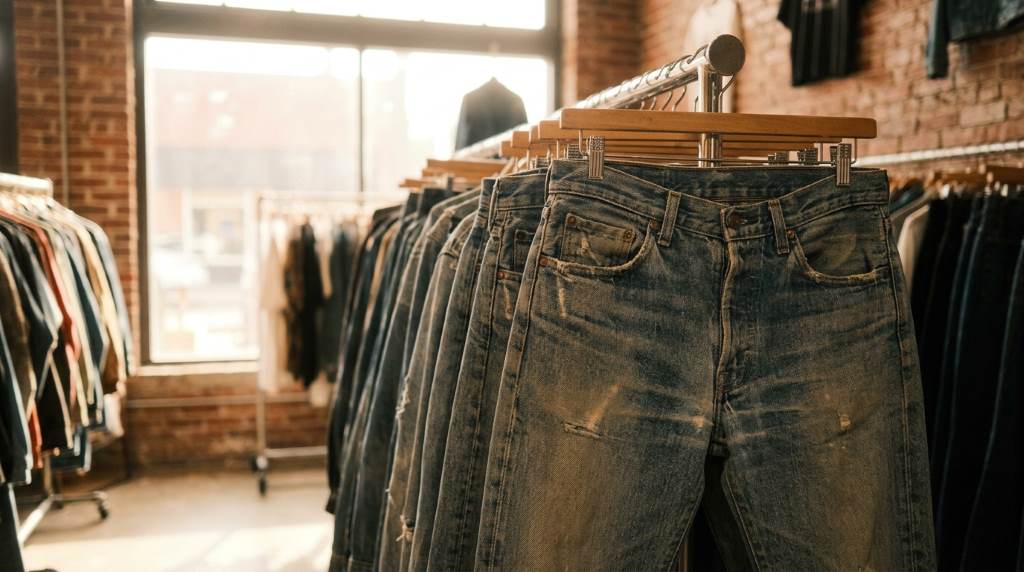
Step 6: Embrace Secondhand and Vintage Shopping
One of the most sustainable shopping habits is buying secondhand. It keeps garments out of landfills and reduces demand for new production.
Explore:
- Thrift stores and consignment shops.
- Online marketplaces dedicated to preloved fashion.
- Vintage boutiques specializing in timeless clothes.
You can find unique, quality pieces at better prices while promoting circular fashion.
Step 7: Care for Your Clothes Properly
Maximizing the lifespan of your clothes is a critical part of sustainability. Proper care prevents premature wear and reduces microplastic shedding during washing.
Tips include:
- Washing clothes in cold water and on gentle cycles.
- Avoiding over-washing; air out garments between wears.
- Using eco-friendly detergents.
- Mending tears and replacing buttons to extend life.
- Storing clothes correctly to avoid damage.
Step 8: Donate, Swap, or Recycle Unwanted Clothes
When you no longer need certain items, don’t just toss them. Instead:
- Donate to charity or community organizations.
- Organize or join clothing swaps with friends or local groups.
- Recycle textiles at specialized collection points.
These practices reduce waste and keep fashion in circulation.
Step 9: Build a Capsule Wardrobe
A capsule wardrobe is a collection of versatile, high-quality items that can mix and match to create many outfits. This minimalist approach leads to:
- Less impulse buying.
- Reduced clothing clutter.
- More thoughtful style choices.
Focus on classic staples like well-fitting jeans, neutral tops, and good outerwear.
Step 10: Advocate for Change and Spread Awareness
Your journey toward a sustainable and ethical wardrobe can inspire others. Use your voice to:
- Share knowledge about sustainable brands and practices.
- Support fashion initiatives focused on sustainability.
- Encourage conversations about responsible consumerism.
Collective effort drives the industry to improve.
Common FAQs About Sustainable and Ethical Wardrobes
Q1: Is sustainable fashion more expensive?
Initially, sustainable and ethical clothes can cost more, but investing in quality pieces that last reduces frequent purchases, ultimately saving money.
Q2: How do I know if a brand is truly ethical?
Look for certifications like Fair Trade and B Corp, transparency reports, and third-party audits. Avoid brands with vague or no sustainability claims.
Q3: Can I be stylish with a sustainable wardrobe?
Absolutely! Many sustainable brands focus on modern designs, and secondhand shopping lets you find unique, stylish pieces.
Q4: What’s the difference between sustainable and ethical fashion?
Sustainable fashion focuses on environmental impact, while ethical fashion prioritizes fair labor and social justice. The best wardrobes blend both.
Q5: How can I make fast fashion more sustainable?
If you buy fast fashion, minimize impact by buying less, choosing better quality, and extending garment life through care.
Final Thoughts: Your Wardrobe Can Make a Difference
Creating a sustainable and ethical wardrobe is not about perfection but progress. Every thoughtful choice reduces your environmental footprint and supports fair treatment within the fashion industry. By focusing on quality, conscious shopping, and caring for your clothes, you contribute to a healthier planet and a more just world.
Start small—maybe by picking up one secondhand item or learning about your favorite brands’ practices. Over time, these choices become habits that reflect your values and style.
Read More: