
Cold water surfing, diving, and water sports have become increasingly accessible thanks to modern technology. Heated wetsuits now allow enthusiasts to extend their time in frigid conditions that would have been unbearable just a few years ago. However, these innovative garments require proper knowledge and handling to ensure both safety and performance.
Understanding how to use heated wetsuits correctly can mean the difference between an enjoyable experience and a potentially dangerous situation. This comprehensive wetsuit safety guide covers everything you need to know about staying warm and safe in extreme cold water environments.
Understanding How Heated Wetsuits Work
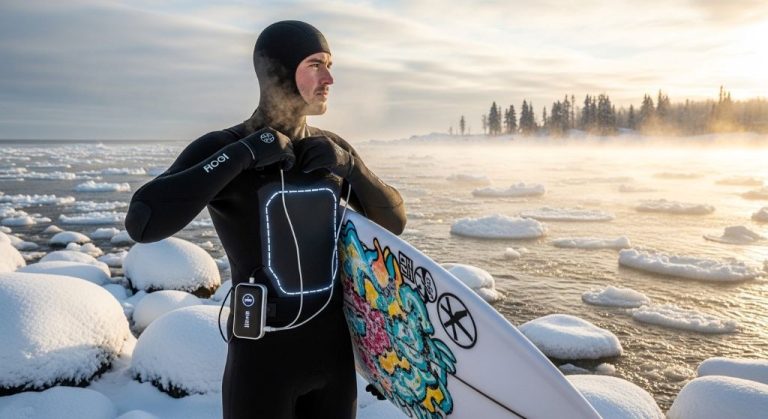
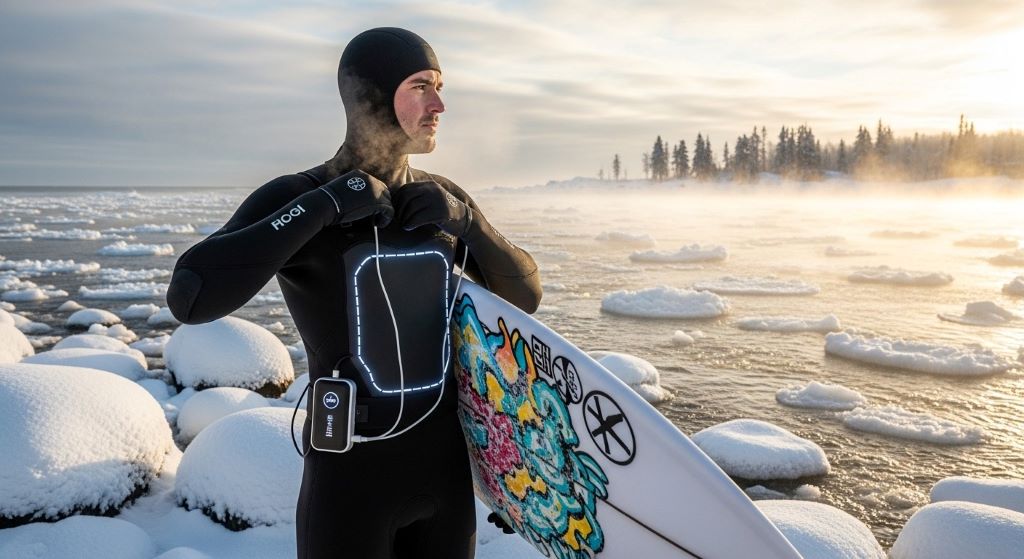
Heated wetsuits combine traditional neoprene insulation with integrated heating technology. The heating system typically consists of thin, flexible panels strategically placed throughout the suit. These panels generate warmth using battery power, providing supplemental heat beyond what standard neoprene offers.
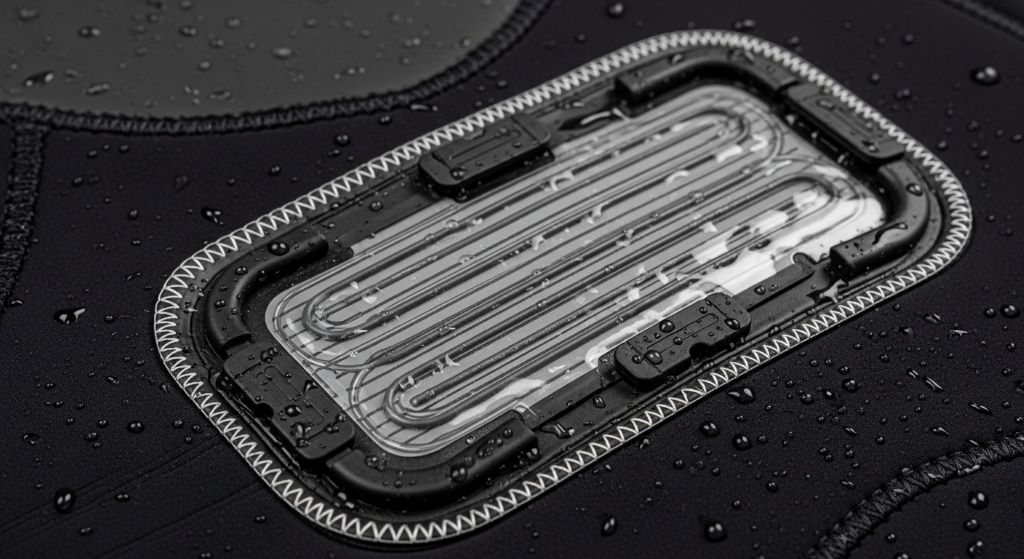
The technology behind these suits has evolved significantly. Modern systems use waterproof heating elements that remain safe even when fully submerged. These elements distribute heat evenly across key areas like your chest, back, and sometimes your extremities.
Most heated wetsuits operate on rechargeable lithium-ion batteries. These power sources connect to the heating panels through waterproof connections. The batteries usually attach to the suit externally or fit into specially designed pockets that keep them secure and dry.
Temperature control varies by model. Some suits offer simple on-off functions, while others provide multiple heat settings. This adjustability lets you customize warmth based on water temperature and activity level. Therefore, understanding your specific model’s controls before entering the water is essential.
Choosing the Right Heated Wetsuit for Your Needs
Selecting an appropriate heated wetsuit depends on several factors. Water temperature, duration of use, and your specific activity all play important roles in making the right choice.
Consider the water conditions you’ll face most often. If you’re surfing in water that hovers around 50 degrees Fahrenheit, you’ll need different features than someone diving in near-freezing temperatures. Additionally, think about how long you typically stay in the water during each session.
Fit is crucial for any wetsuit, but even more so with heated versions. A poorly fitting suit creates gaps where cold water can enter, undermining both the neoprene insulation and the heating system. Moreover, the heating panels need to sit close to your body to transfer warmth effectively.
Battery life matters significantly when choosing electric surf gear safety equipment. Most systems provide three to six hours of heat on a single charge. However, using higher heat settings drains batteries faster. Always check manufacturer specifications and consider purchasing backup batteries for extended sessions.
Look for suits with quality construction and reliable waterproof seals. The connection points between batteries and heating elements must remain completely dry. Furthermore, examine the warranty and customer reviews to gauge long-term reliability.
Preparing Your Heated Wetsuit Before Use
Proper preparation prevents most problems with heated wetsuits. Taking time to set up your gear correctly ensures safety and optimal performance in cold water.
Start by fully charging your batteries before each use. Cold temperatures drain batteries faster than normal, so beginning with a full charge is critical. Most batteries take two to four hours to charge completely. Therefore, plan ahead and charge them the night before your session.
Inspect your suit thoroughly before getting wet. Check all waterproof seals and connections for damage or wear. Look for any tears or punctures in the neoprene that could allow water to reach the heating elements. Even small damage can compromise the system’s safety and effectiveness.
Test the heating function on land before entering the water. Turn on the system and verify that all heating zones activate properly. Feel each panel to ensure even heat distribution. This simple check can prevent disappointment and potential safety issues once you’re already in the water.
Apply appropriate lubricant to zippers and seals according to manufacturer instructions. This maintenance step helps keep waterproof closures functioning correctly. Additionally, proper lubrication makes the suit easier to put on and take off.
Safe Operating Procedures in Cold Water
Once you’re ready to enter the water, following proper operating procedures keeps you safe and comfortable throughout your session.
Start the heating system before getting wet. Activating the heat on dry land lets you verify everything works and gives the suit time to warm up. However, don’t leave it running for extended periods out of water, as this can overheat the system.
Enter the water gradually, allowing your body to acclimate. Even with a heated suit, sudden immersion in extremely cold water can trigger shock responses. Take your time wading in or ease yourself off your board slowly.
Monitor your body temperature throughout your session. Heated suits work wonderfully, but they’re not foolproof. Pay attention to signs of cold stress like excessive shivering, numbness, or confusion. These symptoms indicate you should exit the water immediately, regardless of whether your suit feels warm.
Adjust heat settings based on your activity level and water temperature. Higher exertion generates body heat, so you might need less battery power during intense surfing. Conversely, waiting for waves or performing stationary activities might require higher settings.
Keep track of battery life during your session. Most systems include indicators showing remaining power. Plan to exit the water before batteries die completely. This precaution ensures you maintain warmth during your return to shore and prevents being stranded with a cold, non-functional suit.
Understanding Potential Risks and Hazards
While heated wetsuits are generally safe when used correctly, understanding potential risks helps you avoid problems.
Battery malfunctions represent the primary concern. Although rare with quality products, batteries can fail or short circuit. This situation could potentially cause burns or electric shock. Therefore, always purchase from reputable manufacturers and replace damaged batteries immediately.
Overheating poses another risk that many people overlook. Paradoxically, you can get too warm even in cold water. Excessive heat can cause dehydration, dizziness, or heat exhaustion. Monitor how you feel and reduce heat settings if you become uncomfortably warm.
Water infiltration into electrical components creates serious safety hazards. Always inspect seals and connections before use. If you notice water inside battery compartments or around heating elements, exit the water immediately and discontinue use until the problem is resolved.
Dependency on heated suits can lead to poor judgment about water conditions. Don’t let the comfort of your heated suit encourage you to stay out longer than safe conditions allow. Weather changes, tides, and other environmental factors still require respect and attention.
Equipment failure in extreme conditions could quickly become dangerous. Always have a backup plan. Let someone know your schedule and location. Consider surfing with a buddy who can assist if your heating system fails.
Maintaining Your Heated Wetsuit
Proper maintenance extends the life of your heated wetsuit and ensures reliable performance.
Rinse your suit thoroughly with fresh water after each use. Salt, sand, and other debris can damage both neoprene and electronic components. Pay special attention to zippers, seals, and connection points where particles tend to accumulate.
Disconnect batteries before rinsing and storing your suit. Water exposure during cleaning could damage battery terminals or electrical connections. Store batteries separately in a cool, dry place away from direct sunlight.
Dry your wetsuit properly before storage. Hang it inside out in a shaded area with good airflow. Never use direct heat sources like radiators or dryers, as excessive heat damages neoprene and can harm heating elements. Additionally, avoid folding or compressing the suit while it’s wet.
Inspect heating elements periodically for signs of wear or damage. Gently flex the panels to check for broken wires or weak spots. If you notice any issues, contact the manufacturer before using the suit again.
Store your suit on a wide hanger to prevent creasing and stress on the neoprene. Keep it in a cool, dry place away from ozone sources like electric motors, which can degrade neoprene over time. Furthermore, avoid storing it in direct sunlight, which breaks down both materials and waterproof seals.
Battery Care and Management
Batteries require special attention for safe and effective heated wetsuit operation.
Follow manufacturer charging guidelines precisely. Overcharging or using incorrect chargers can damage batteries and create safety hazards. Use only the charger provided with your system or approved replacements.
Store batteries at partial charge when not in use for extended periods. Most lithium-ion batteries maintain health best when stored at 40 to 60 percent capacity. Fully discharging or leaving them fully charged for months can reduce lifespan and performance.
Keep batteries at moderate temperatures. Extreme heat or cold during storage degrades battery chemistry and reduces capacity. Room temperature storage in a dry location provides ideal conditions.
Watch for warning signs of battery problems. Swelling, unusual heat during charging, or rapidly declining performance indicate potential issues. Discontinue use and replace batteries showing these symptoms.
Dispose of old batteries properly. Lithium-ion batteries require special recycling procedures. Never throw them in regular trash. Most electronics retailers and recycling centers accept used batteries.
Layering and Additional Protection
Heated wetsuits work best as part of a complete cold water protection system.
Consider wearing appropriate undergarments designed for water sports. Some surfers use thin thermal layers beneath their wetsuits for extra insulation. However, ensure any underlayers don’t interfere with the heating elements’ contact with your skin.
Protect your extremities adequately. Even the best heated wetsuit can’t keep you comfortable if your hands and feet are freezing. Invest in quality neoprene boots, gloves, and a hood. These accessories dramatically improve overall comfort in extreme cold.
Use proper seals at wrists, ankles, and neck. Water flushing in and out of your suit defeats both the neoprene insulation and the heating system. Ensure a snug but not restrictive fit at all entry points.
Consider environmental conditions beyond water temperature. Wind chill above water can quickly cool you down between waves or during surface intervals. Plan your sessions around weather conditions and bring appropriate dry clothes for afterward.
Recognizing and Responding to Cold Water Emergencies
Despite all precautions, emergencies can happen. Knowing how to respond protects your health and potentially your life.
Learn the signs of hypothermia before they become critical. Early symptoms include shivering, confusion, slurred speech, and poor coordination. If you or a companion shows these signs, exit the water immediately and seek warmth.
Understand that heated suits can mask hypothermia symptoms. The warmth from heating elements might make you feel comfortable even as your core temperature drops. Therefore, pay attention to time spent in water and overall body sensations beyond just warmth.
Have a rewarming plan ready. Keep dry clothes, blankets, and warm beverages easily accessible. Gradual rewarming is safer than rapid temperature changes. Avoid hot showers immediately after cold water exposure, as this can cause complications.
Know when to seek medical help. Severe shivering that doesn’t stop after rewarming, continued confusion, or irregular heartbeat require professional attention. Don’t hesitate to call for help if symptoms seem serious.
Environmental Considerations
Using heated wetsuits responsibly includes thinking about environmental impacts.
Charge batteries using renewable energy when possible. Solar panels or other clean energy sources reduce the carbon footprint of your cold water activities. Additionally, many coastal areas now offer green energy options from local utilities.
Maintain your equipment to extend its lifespan. Replacing gear less frequently reduces waste and resource consumption. Quality products that last years prove more sustainable than cheaper options requiring frequent replacement.
Dispose of damaged suits and batteries responsibly. Many manufacturers offer recycling programs for old wetsuits. Research local options for proper disposal rather than sending these items to landfills.
Consider the broader environmental context of your activities. Climate change affects water temperatures and conditions worldwide. Supporting environmental causes and making conscious choices helps preserve the waters you enjoy.
Advancing Your Cold Water Skills
As you gain experience with heated wetsuits, continue developing your cold water knowledge and abilities.
Take courses on cold water safety from qualified instructors. Understanding physiological responses to cold immersion helps you make better decisions. Furthermore, professional training covers rescue techniques and emergency procedures.
Practice with your equipment in controlled conditions before attempting extreme environments. Start in moderately cold water and gradually progress to more challenging conditions. This approach builds confidence and helps you understand your gear’s capabilities.
Join communities of cold water enthusiasts. Sharing experiences with others teaches valuable lessons and keeps you informed about new safety practices. Additionally, these groups often organize buddy sessions that improve safety.
Stay informed about technological improvements. Heated wetsuit technology continues evolving. New features and safety enhancements regularly appear on the market. Keeping current ensures you benefit from the latest innovations.
Conclusion
Heated wetsuits have revolutionized cold water activities, making previously impossible sessions comfortable and accessible. However, these sophisticated pieces of electric surf gear safety equipment require knowledge, care, and respect to use properly.
Success with heated wetsuits starts with choosing quality equipment that fits your specific needs. Proper preparation, including inspecting your gear and fully charging batteries, sets the foundation for safe sessions. Following operating procedures carefully and monitoring your condition throughout your time in the water prevents most problems.
Understanding the risks associated with waterproof heating elements and knowing how to maintain your equipment ensures long-term reliability and safety. Additionally, remembering that heated suits supplement, rather than replace, good judgment about water conditions keeps you out of dangerous situations.
By following this wetsuit safety guide and respecting both the technology and the environment, you can safely enjoy extreme cold water conditions. The key lies in balancing the amazing capabilities of modern heated wetsuits with responsible use and constant attention to safety. With proper knowledge and care, these remarkable garments open up a world of cold water adventures previously beyond reach.
Frequently Asked Questions
How cold can water be for safe heated wetsuit use?
Heated wetsuits can function in water temperatures near freezing, but safety depends on multiple factors beyond just the suit. Most quality heated suits work effectively in water from 32 to 50 degrees Fahrenheit. However, you should also consider air temperature, wind conditions, session duration, and your personal cold tolerance. Always start conservatively and build experience gradually in increasingly cold conditions.
Can I surf with a heated wetsuit in saltwater?
Yes, modern heated wetsuits are specifically designed for saltwater use. The waterproof heating elements and sealed battery compartments protect electrical components from corrosion. However, thorough freshwater rinsing after each saltwater session is essential. Salt crystals can damage seals and zippers over time if not cleaned properly. Follow manufacturer maintenance guidelines to ensure longevity.
How long does a heated wetsuit battery typically last?
Battery life varies by model, heat settings, and water temperature. Most systems provide three to six hours on a single charge at medium settings. Higher heat settings drain batteries significantly faster, sometimes reducing runtime to two hours. Cold water temperatures also decrease battery efficiency. Many experienced users carry spare batteries for extended sessions or purchase suits with larger capacity power sources.
Are heated wetsuits safe to use during lightning storms?
No, you should never use any water sports equipment during lightning storms, heated or not. Lightning poses extreme danger to anyone in or near water. The electrical components in heated wetsuits don’t significantly increase lightning risk, but being in water during a storm is inherently dangerous. Always check weather forecasts before sessions and exit the water immediately if storms approach.
Can heated wetsuits cause burns or skin irritation?
When used correctly, heated wetsuits should not cause burns. Quality systems regulate temperature to safe levels and distribute heat evenly. However, malfunctions can occasionally cause hot spots or excessive heat. If you feel uncomfortable burning sensations or notice skin redness, turn off the system immediately and exit the water. Some people experience minor irritation from prolonged heat exposure, similar to using heating pads on land. Start with lower settings and adjust as you learn your tolerance.
Related Topics:
Harmonicode Sports Elite Athlete Performance Tuning
Seven alternative sports cars of Toyota GR Supra