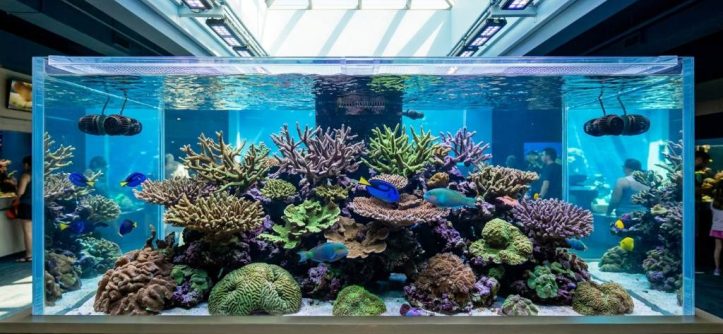
Corals bleach fast in Miami because ocean temperatures rise beyond coral tolerance levels for extended periods. Additionally, pollution, coastal development, and climate related stress weaken coral health, making bleaching occur more quickly and more often.
Recent monitoring shows widespread coral stress across Florida reefs during unusually warm periods. Moreover, understanding these causes helps residents, divers, and conservation groups protect fragile reef ecosystems. Even aquarium enthusiasts studying a mixed reef lighting guide can better appreciate how sensitive corals are to environmental changes. Scientists estimate some reef areas have experienced bleaching rates exceeding 80% during severe marine heat events.
Why Miami’s Coral Reefs Face Exceptional Stress
Miami sits beside one of the world’s most valuable coral reef systems. However, local reefs face several overlapping environmental pressures throughout the year.
Warm currents regularly move through South Florida waters. Consequently, even small temperature increases can push corals beyond their survival threshold.
Scientists describe bleaching as a stress response rather than an immediate death sentence. Nevertheless, prolonged stress often causes severe reef decline and habitat loss.
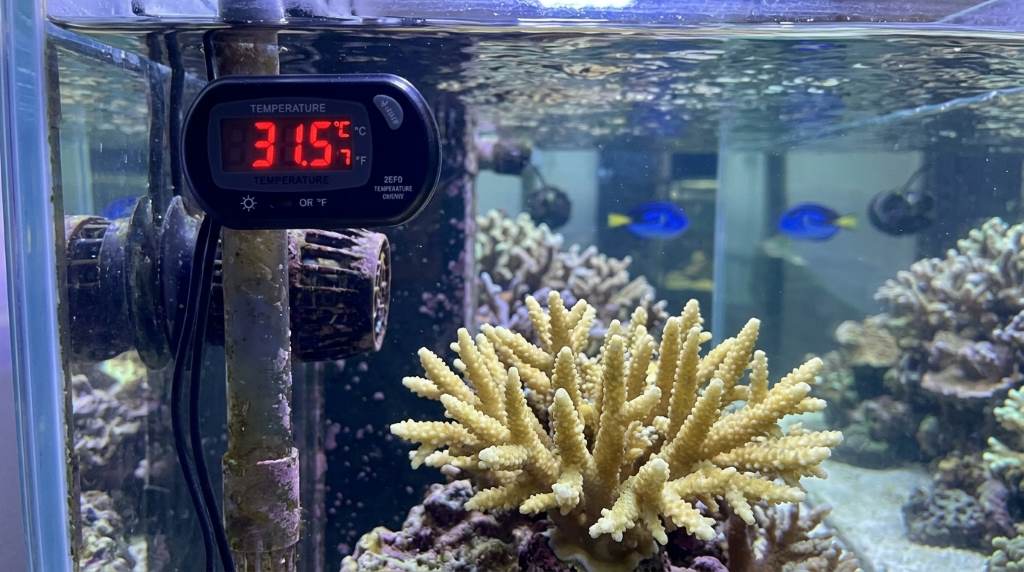
What Coral Bleaching Actually Means
Healthy corals contain microscopic algae called zooxanthellae inside their tissues. These algae provide food and give corals their vibrant colors.
When water becomes too warm, corals expel these algae. As a result, the white coral skeleton becomes visible through transparent tissues.
Bleached corals can survive if conditions improve quickly. Yet extended stress leaves them vulnerable to disease and starvation.
Ocean Heat Is the Biggest Driver of Rapid Bleaching
Rising sea temperatures remain the primary reason Miami corals bleach rapidly. Furthermore, marine heat waves now occur more frequently and last longer.
Even temperature increases of one to two degrees above seasonal averages create stress. Therefore, corals often react before obvious environmental changes become visible.
Researchers studying environmental preparedness often compare ecosystem resilience with planning strategies found in prepare your house vacation resources, where early preparation reduces long term damage.
How Heat Damages Coral Biology
Corals rely on stable environmental conditions for normal metabolic functions. However, excessive heat disrupts photosynthesis within their symbiotic algae.
This disruption creates harmful compounds inside coral tissues. Consequently, corals eject algae as a protective response against further damage.
Unfortunately, losing algae removes a major food source. Therefore, recovery becomes increasingly difficult when heat persists for weeks.
Urban Growth Around Miami Adds More Pressure
Miami continues experiencing significant population growth and coastal development. As a result, nearby marine environments face increasing environmental challenges.
Construction activities often increase sediment entering coastal waters. Moreover, cloudy water reduces sunlight availability for healthy coral growth.
Discussions about sustainable land use sometimes contrast modern infrastructure with historical housing concepts explored in mortgage on iron age roundhouse articles, highlighting how development choices influence environmental impact.
Stormwater Runoff Creates Hidden Problems
Rainwater carries fertilizers, oils, and pollutants into coastal ecosystems. Consequently, nutrient levels increase beyond natural reef conditions.
Excess nutrients encourage algae blooms that compete with corals. Meanwhile, reduced water quality weakens coral resilience against temperature stress.
Pollutants also interfere with reproduction and recovery processes. Therefore, stressed reefs struggle to rebuild after bleaching events.
Disease Spreads Faster in Stressed Coral Communities
Bleached corals become more vulnerable to infectious diseases. Additionally, warmer water often helps harmful pathogens spread more efficiently.
Florida reefs have experienced major disease outbreaks during recent years. Consequently, many coral colonies faced multiple threats simultaneously.
Disease and bleaching often create a destructive cycle. As a result, reef recovery becomes slower after every major stress event.
Why Recovery Takes So Long
Corals grow slowly compared with many marine organisms. Therefore, rebuilding damaged reef structures can require decades.
Young corals also face the same environmental pressures as older colonies. Consequently, new growth does not always replace losses effectively.
Repeated bleaching events shorten recovery windows between disturbances. Thus, reefs have less time to regain strength.
The Gulf Stream Intensifies Local Conditions
The Gulf Stream passes close to South Florida’s coastline. Because of this location, reef systems experience rapidly changing ocean conditions.
Warm water transported through the region can elevate local temperatures. Furthermore, seasonal extremes sometimes become more pronounced.
Ocean currents also influence nutrient distribution and water chemistry. Therefore, multiple environmental factors interact at the same time.
How Climate Change Accelerates Coral Bleaching
Global climate trends increase average ocean temperatures across many regions. Consequently, coral bleaching events occur more frequently worldwide.
Higher atmospheric carbon dioxide levels also affect seawater chemistry. As a result, ocean acidification makes coral skeleton formation harder.
Corals face a combination of warming and chemical stress. Therefore, modern bleaching events often appear more severe than historical occurrences.
Extreme Heat Events Matter Most
Short temperature spikes can cause temporary stress. However, prolonged marine heat waves create the greatest bleaching risk.
Extended exposure prevents corals from restoring normal biological functions. Consequently, bleaching spreads across larger reef areas.
Scientists continue tracking these events using satellite monitoring systems. Thus, conservation teams can respond more quickly when risks increase.
Practical Steps That Help Protect Miami Reefs
Individual actions cannot solve every challenge facing coral ecosystems. Nevertheless, community efforts produce measurable environmental benefits.
- Reduce fertilizer use near waterways.
- Support reef restoration programs.
- Choose reef safe sunscreen products.
- Dispose of waste responsibly.
- Participate in coastal cleanup events.
- Report reef damage when observed.
Local conservation groups also grow corals in underwater nurseries. Subsequently, healthy fragments are transplanted onto damaged reef sections.
While restoration helps, prevention remains more effective. Therefore, reducing environmental stress should remain a long term priority.
What the Future May Hold for Miami Corals
Scientists remain concerned about future bleaching frequency and intensity. However, ongoing research continues producing promising restoration techniques.
Heat resistant coral strains may improve survival rates in some locations. Additionally, advanced monitoring tools support faster conservation responses.
Public awareness continues increasing across coastal communities. Consequently, more people understand the economic and ecological value of reefs.
Healthy reefs protect shorelines, support tourism, and provide marine habitat. Therefore, preserving them benefits both nature and local economies.
Conclusion
Corals bleach fast in Miami primarily because rising ocean temperatures create intense biological stress. Furthermore, pollution, disease, coastal development, and climate related changes amplify those effects.
Protecting reefs requires action from governments, businesses, scientists, and residents alike. Learn more about local conservation efforts, support reef restoration projects, and help reduce environmental pressures whenever possible.
FAQs
Why do corals turn white during bleaching?
They turn white because stressed corals expel the algae that provide color and food.
Can bleached corals recover?
Yes, many corals recover if environmental conditions improve quickly.
Is coral bleaching caused only by warm water?
No, pollution, disease, and poor water quality also contribute significantly.
Why is Miami especially vulnerable to bleaching?
Miami experiences warm waters, coastal development pressure, and climate related environmental stress.
How can people help protect coral reefs?
People can reduce pollution, support conservation projects, and use reef safe products.