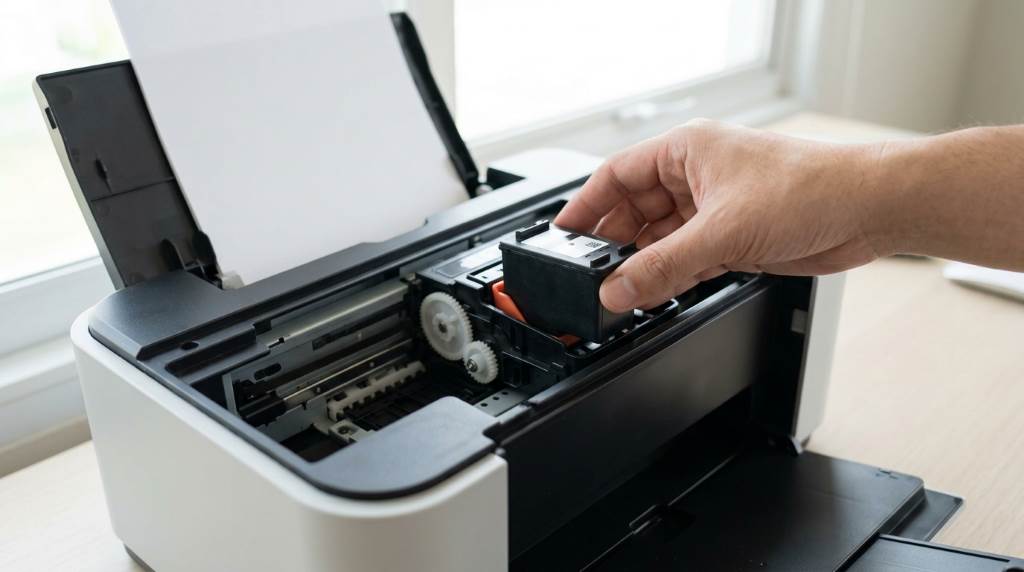
Home printers support work, school, and personal projects every week. However, many owners ignore regular care until printing problems appear. Studies suggest that routine maintenance can reduce printer issues by more than 40%, while proper cleaning may extend equipment life significantly. Following a simple printer maintenance checklist helps prevent unnecessary repairs and improves print quality throughout the year.
Orlando’s warm climate, seasonal humidity, and household dust can affect printer performance over time. Therefore, regular maintenance keeps your device reliable while reducing expensive replacements. This guide explains practical maintenance steps that every homeowner can follow with confidence.
Understand How Orlando’s Environment Affects Home Printers
Orlando experiences high humidity for much of the year. As a result, moisture can affect paper quality and internal printer components. Learning simple office productivity hacks also encourages better equipment care routines.
Dust enters printers through paper trays and ventilation openings every day. Consequently, debris builds inside moving parts and reduces printing accuracy. Clean surroundings always improve printer reliability over time.
Common Environmental Challenges
- High indoor humidity
- Dust accumulation
- Direct sunlight exposure
- Temperature fluctuations
- Poor ventilation
Place Your Printer in the Right Location
Choose a stable surface that stays level throughout daily use. Additionally, keep the printer away from windows, heating vents, and direct sunlight. Proper placement reduces vibration while protecting sensitive electronic components.
Maintain several inches of open space around every side. Good airflow prevents overheating during large print jobs. Furthermore, avoid placing printers beside kitchen appliances or bathroom doors.
Clean the Exterior and Interior Regularly
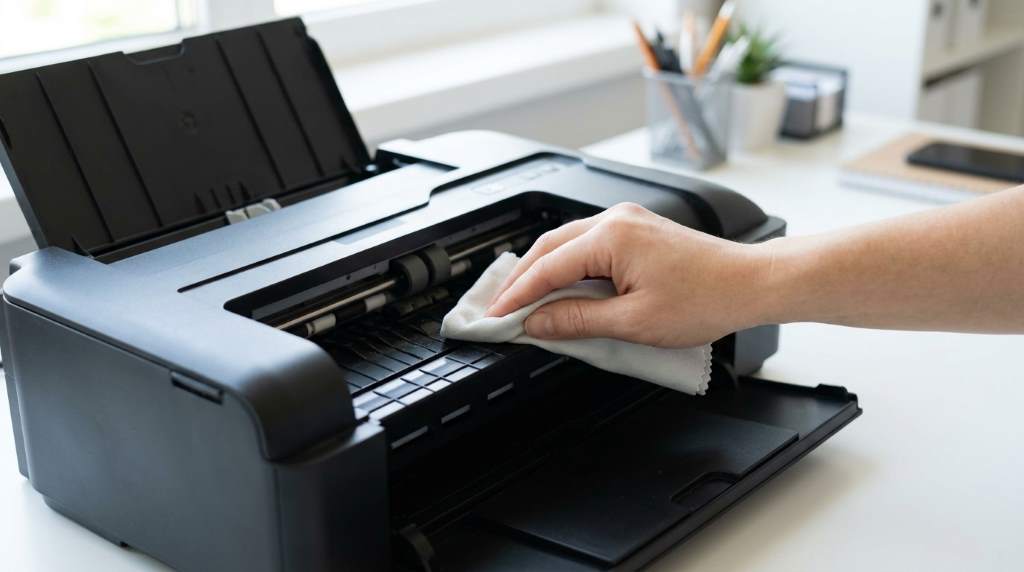
Regular cleaning removes dust before serious problems develop. Likewise, following tips for more hygienic office spaces also benefits home printing areas. Always turn the printer off before cleaning any surface.
Use a soft microfiber cloth to wipe the exterior carefully. Never spray liquid directly onto the printer housing. Instead, lightly dampen the cloth before wiping stubborn marks.
Interior Cleaning Tips
- Remove loose paper dust gently.
- Check paper trays for debris.
- Clean visible rollers carefully.
- Avoid touching electrical contacts.
- Follow manufacturer instructions.
Keep Paper in Excellent Condition
Paper quality directly affects printer performance every day. Therefore, store paper inside its original packaging until needed. Dry paper feeds more smoothly through internal rollers.
Avoid placing paper near humid locations. Moist sheets often curl, stick together, and create frustrating paper jams. Fresh paper consistently produces cleaner printed pages.
Inspect and Clean Printer Rollers
Dirty rollers often cause paper feeding problems. Consequently, inspect them regularly for dust, paper fibres, or residue. Clean rollers carefully according to your printer manufacturer’s guidance.
Allow rollers to dry completely before printing again. This simple habit improves paper movement and reduces repeated jams. Consistent roller care extends printer reliability.
Replace Ink or Toner Before Problems Start
Low ink levels reduce print quality and increase streaking. Therefore, monitor cartridge levels instead of waiting until printing stops completely. Quality supplies usually deliver better long term performance.
Store spare cartridges inside cool, dry conditions. Additionally, install replacements only when needed to protect their quality. Proper storage reduces unnecessary waste.
Update Printer Software Frequently
Manufacturers regularly release software updates that improve performance. These updates often fix bugs and strengthen printer security. Therefore, check for updates every few months.
Updated software also improves compatibility with newer computers and mobile devices. Stable software reduces communication errors during wireless printing. Regular updates support smoother daily operation.
Use Wireless Features Securely
Many home printers connect through wireless networks for greater convenience. However, secure passwords protect printers from unwanted access. Strong network security also safeguards personal documents.
Disconnect unused guest devices whenever possible. Moreover, update your wireless password periodically for added protection. Secure connections improve reliable printing performance.
Prevent Overheating During Heavy Printing
Large printing sessions create extra heat inside many printers. Therefore, allow short cooling breaks between lengthy print jobs. This practice protects internal mechanical components.
Good ventilation also improves operating temperatures throughout busy days. Avoid covering ventilation openings with books or decorative items. Proper airflow supports consistent performance.
Run Built In Maintenance Tools
Most modern printers include automatic maintenance functions. These tools clean print heads and align cartridges efficiently. Therefore, use these features whenever print quality decreases.
Routine maintenance cycles consume small amounts of ink. However, they often prevent larger printing issues later. Regular calibration keeps printed documents sharp.
Recognise Early Warning Signs
Minor printing issues often indicate developing maintenance problems. Therefore, respond quickly before expensive repairs become necessary. Early attention saves both time and money.
Watch for unusual noises, faded colours, or repeated paper jams. Likewise, slow printing may indicate software or hardware concerns. Prompt action prevents larger failures.
Signs Your Printer Needs Attention
- Frequent paper jams
- Streaked documents
- Faded colours
- Grinding noises
- Slow printing speeds
Support Better Home Office Productivity
Reliable printers improve everyday productivity for remote work and school activities. Furthermore, selecting the best office projector or other office equipment complements an efficient workspace. Well maintained devices reduce interruptions throughout busy schedules.
Create a monthly maintenance reminder to stay consistent. Small maintenance tasks require little time while delivering noticeable long term benefits. Simple habits prevent unnecessary printer frustration.
Create a Monthly Printer Maintenance Routine
Consistent maintenance prevents small issues from becoming major repairs. Therefore, schedule a quick inspection once every month. Routine care protects both print quality and hardware lifespan.
Monthly Maintenance Checklist
- Dust the printer exterior.
- Inspect paper trays.
- Clean accessible rollers.
- Check ink or toner levels.
- Run nozzle or print head cleaning.
- Install software updates.
- Test print one sample page.
Conclusion
Maintaining a home printer requires only a few simple habits each month. Regular cleaning, quality paper, software updates, and proper placement help prevent common printing problems. These practical steps keep your printer reliable while reducing repair costs.
Start your maintenance routine today and enjoy dependable printing throughout the year. A few minutes of preventive care now can save considerable time and frustration later.
Frequently Asked Questions
How often should I clean my home printer?
Clean your printer lightly every month and perform deeper maintenance whenever print quality declines.
Does humidity affect printer performance?
Yes, high humidity can damage paper quality and contribute to feeding problems.
Should I leave my printer turned on all the time?
Follow your manufacturer’s recommendations because power management varies between printer models.
Why does my printer keep jamming?
Dusty rollers, damaged paper, or improper paper loading commonly cause repeated jams.
Can software updates improve printing quality?
Yes, software updates often improve stability, compatibility, security, and overall printer performance.