Key Takeaways
- Safety and medical treatment should come before insurance paperwork.
- Photos, witness details, records, and damaged gear can preserve important evidence.
- More than one person or organization may have contributed to a crash.
- Early settlement offers may not account for future treatment or lost income.
- Deadlines can vary, particularly when a public agency may be involved.
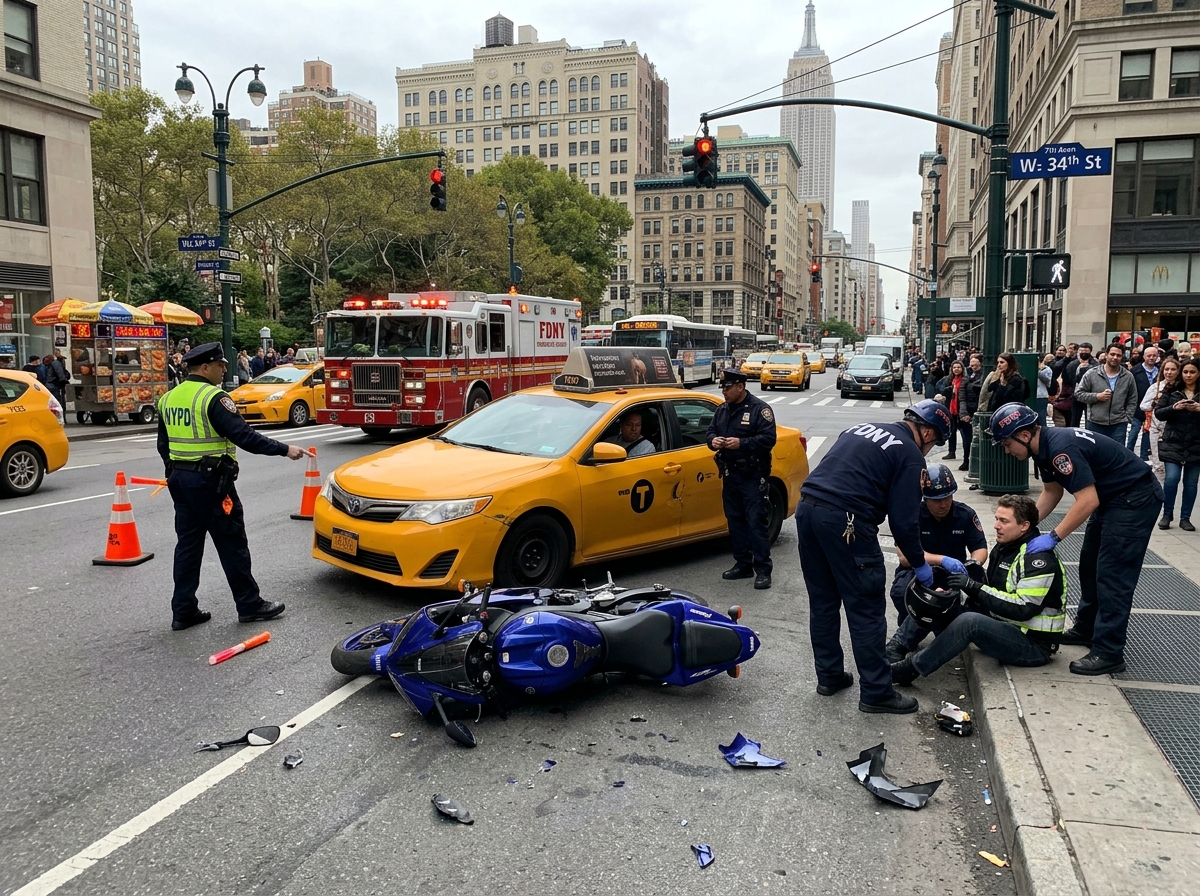
A motorcycle crash in New York City can leave a rider managing pain, damaged equipment, insurance calls, and uncertainty about what comes next. In the first hours, focus on safety and medical care, then preserve the details that may matter later. Riders facing serious injuries or disputed facts may also choose to speak with a Ward Law NYC motorcycle accident law firm about their situation.
The steps below are meant to provide a practical plan, not to assign blame. Every collision is different, and a calm, organized response can make it easier to protect health, document losses, and make informed decisions while recovering.
First Hours After the Crash
Call 911 after a collision and request police and emergency medical assistance. Do not move an injured person unless there is an immediate danger, such as fire or active traffic. If it is safe, move out of harm’s way, exchange basic contact and insurance information, and ask witnesses for their names and phone numbers.
Use a phone to photograph the vehicles, motorcycle, road surface, traffic signals, lane markings, weather, visible injuries, and debris. Avoid arguing over fault or making guesses about speed and distance. It is also wise to avoid posting about the crash, injuries, or recovery on social media while the facts are still being sorted out.
Adrenaline can mask symptoms. A rider may initially feel alert, then experience headache, dizziness, stiffness, or pain later that day. A prompt medical evaluation can identify concerns that are not obvious at the scene.
Medical Care and Records
Even a low-speed crash can cause concussion symptoms, fractures, road rash, soft-tissue injuries, nerve damage, or internal injuries. Follow discharge instructions, attend recommended follow-up visits, and report new or worsening symptoms to a medical professional.

Records Worth Keeping
- Emergency room, hospital, and doctor records
- Imaging results, prescriptions, and pharmacy receipts
- Physical therapy and specialist appointment notes
- Transportation costs for treatment
- A personal log of pain, sleep problems, mobility limits, and missed activities
Medical documentation can help establish when symptoms began, what care was needed, and how an injury affected work and daily life. It can also help a rider avoid minimizing an injury simply because recovery is still unfolding.
Preserving Evidence
Crash scenes change quickly. Vehicles are moved, pavement is cleaned, and camera footage may be overwritten. Save the police report number, photos, video, witness information, repair estimates, medical bills, work absence records, and every message exchanged with an insurer.
Do not repair, discard, or alter the motorcycle, helmet, jacket, gloves, or other protective equipment before photographing the damage. Those items may help show the point and force of impact. Nearby businesses, residences, transit locations, and other vehicles may also have relevant video footage.
Common Crash Causes in City Traffic
Motorcycle crashes can result from many circumstances, and the evidence should be reviewed before anyone reaches a conclusion. Common patterns include left-turn collisions, unsafe lane changes, failure to yield, distracted driving, following too closely, speeding, impaired driving, and a vehicle door opening into a rider’s path.
Potholes, loose gravel, oil, standing water, construction conditions, poor lighting, and blocked sight lines can also be relevant. A driver saying they did not see a motorcycle does not automatically determine fault. Investigators may consider road markings, signal timing, vehicle damage, video, and witness accounts.
How Fault May Be Evaluated
Responsibility may rest with a driver, but other parties can sometimes be involved. Depending on the facts, a claim may involve an employer whose worker was driving, a vehicle owner, a repair provider, a contractor, or a public entity responsible for a dangerous roadway condition.
New York follows a comparative-fault approach. In plain terms, more than one person can share responsibility, and a rider’s percentage of responsibility can affect a financial recovery. That is why complete documentation matters, especially when accounts of the collision differ.
Insurance Communications
An adjuster may request a recorded statement, broad medical authorization, photos, or a quick settlement. Be polite and provide basic facts about the time and location, but do not guess, speculate, or downplay pain. Keep copies of every form, email, letter, and claim number.
A quick payment may not address later surgery, therapy, time away from work, reduced earning ability, or persistent pain. Before accepting a final settlement, make sure the full scope of treatment and unpaid losses has been considered.
Potential Losses After a Crash
Economic Losses
- Emergency care, hospitalization, surgery, medication, and rehabilitation
- Future medical treatment and assistive needs
- Lost wages and reduced earning capacity
- Motorcycle repair or replacement costs
- Transportation and other reasonable crash-related expenses
Non-Economic Losses
- Physical pain and emotional distress
- Sleep disruption, reduced mobility, and scarring
- Loss of enjoyment of everyday activities
- Limits on family responsibilities, hobbies, or independence
Medical bills alone do not show the whole impact. A wrist injury may affect a mechanic, musician, delivery worker, or parent very differently than someone whose job does not require regular physical activity.
Deadlines and Urgent Tasks
Time limits depend on the claim and the parties involved. For example, the New York Courts statute-of-limitations timetable lists a three-year period from the accident date for many negligence-related personal injury claims, but claims involving government entities can require special notices and much shorter deadlines.
Record the exact crash date, report number, medical appointments, insurer contacts, missed workdays, and repair communications. Promptly seek qualified advice when injuries are serious, fault is disputed, a death has occurred, or roadway conditions and public property may be involved.
Safer Riding Habits
Preparation cannot prevent every crash, but it can reduce risk. Wear a properly fitted helmet and protective clothing, inspect tires, brakes, lights, mirrors, and fluids, maintain following distance, and slow down before intersections and turns.
The New York State Motorcycle Manual also emphasizes defensive riding, visibility, equipment checks, hazard avoidance, and operating within a rider’s abilities. Watch carefully for turning vehicles, metal plates, debris, standing water, and sudden changes in pavement conditions.
Frequently Asked Questions
Should a rider call the police after a crash?
Yes. Calling 911 helps create an official response and may help document the location, involved vehicles, apparent injuries, and available witness information.
What if the other driver leaves the scene?
Call 911, get medical care, write down everything remembered about the vehicle and driver, and look for witnesses or cameras. Do not chase the vehicle.
What if the rider may have made a mistake?
That does not necessarily end a claim. Shared responsibility can be evaluated based on the complete sequence of events and available evidence.
Conclusion
A motorcycle accident can create medical, financial, and practical problems all at once. Prioritize treatment, report the crash, preserve evidence, track every expense, and avoid rushed decisions. A careful response gives a rider a stronger foundation for recovery and for addressing the issues that follow.