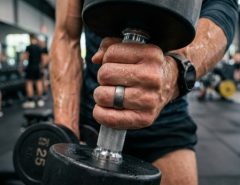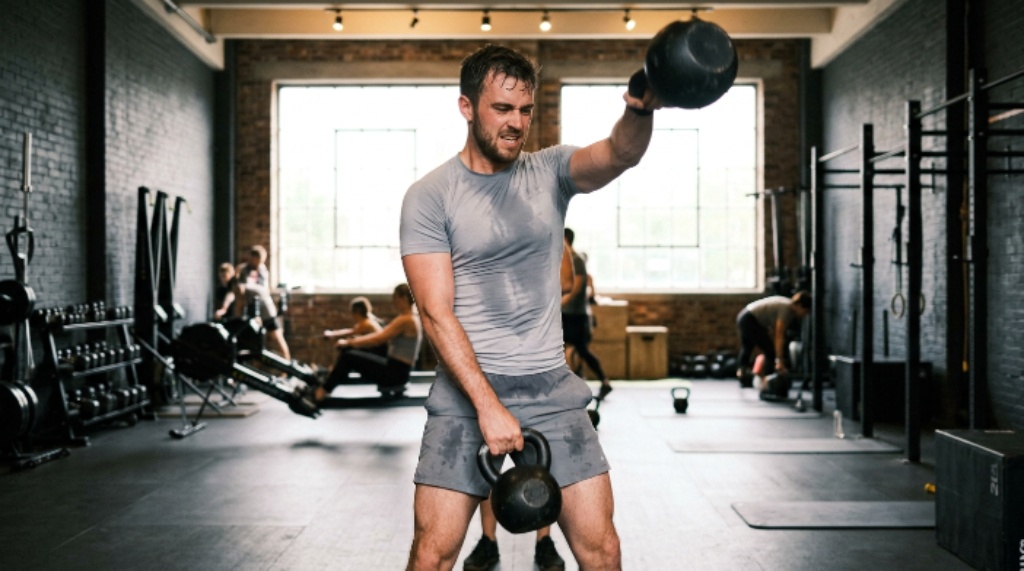
Working out is hard enough on its own. The last thing you need is a soaking wet shirt clinging to your body halfway through your session. That is why choosing the right gym shirt matters more than most people realize. The right fabric keeps you cool, dry, and focused on your workout, not your discomfort.
In 2026, the market is packed with options. However, not every shirt that claims to wick sweat actually delivers. This guide will help you cut through the noise. Therefore, by the time you finish reading, you will know exactly what to look for in a high-performing, comfortable gym shirt.
What Moisture-Wicking Actually Means
Moisture-wicking is a fabric technology that pulls sweat away from your skin. The fabric draws moisture to its outer surface, where it can evaporate quickly. This keeps your skin drier and your body temperature more stable during exercise.
It is important to understand that not all moisture-wicking shirts are created equal. The efficiency of wicking depends on the fabric type, the weave structure, and any chemical treatments applied to the material. Therefore, reading the label is not enough. You need to know what to look for beyond just the marketing words.
Additionally, moisture management is different from waterproofing. A moisture-wicking shirt moves sweat away from your body. It does not block sweat or stop you from perspiring. The goal is to keep you comfortable and dry throughout your workout, not to prevent sweating altogether.
The Best Fabrics for Gym Shirts in 2026
Fabric choice is the single most important factor when selecting a gym shirt. Here is a breakdown of the most popular materials available today.
Polyester
Polyester remains the gold standard for athletic wear. It is lightweight, durable, and naturally resistant to moisture absorption. Sweat passes through the fibers quickly and evaporates from the surface. Additionally, polyester holds its shape well even after repeated washing. Most breathable workout clothes on the market today use polyester as their primary material.
Nylon
Nylon is softer than polyester and offers excellent stretch. It also wicks moisture effectively and dries fast. However, it tends to cost slightly more. For high-intensity workouts where freedom of movement is essential, nylon blends are worth considering.
Bamboo and Modal Blends
These natural-synthetic blends have grown in popularity. They feel incredibly soft against the skin. Additionally, bamboo fibers have natural antibacterial properties, which helps reduce odor during long sessions. However, they are typically better suited for low-to-moderate intensity workouts rather than heavy sweat-inducing activities.
What to Avoid
Avoid 100% cotton gym shirts. Cotton absorbs sweat and holds it against your skin. This makes you feel heavier and hotter as your workout progresses. It also takes a very long time to dry. Therefore, despite being comfortable for everyday wear, cotton is one of the worst choices for the gym.
Key Features to Look for When Shopping
Beyond fabric, several design features separate a good gym shirt from a great one. Here is what to check before you buy.
Mesh Panels and Ventilation Zones
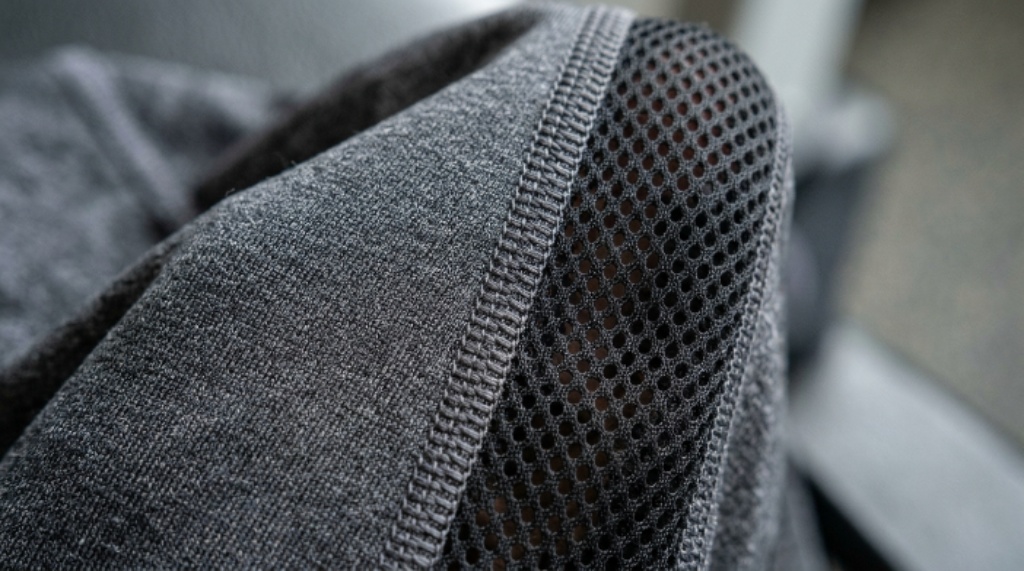
Many high-quality gym shirts include mesh panels in high-heat areas, such as under the arms and across the upper back. These zones allow more air to circulate and heat to escape. As a result, you stay cooler during intense activity. Look for shirts that use mesh strategically rather than covering the entire garment, which can reduce support and structure.
Flatlock Seams
Standard raised seams can rub against your skin during repetitive movements. Flatlock seams lie flush against the fabric and greatly reduce friction. This is especially important during activities like running, rowing, or any movement with significant arm swing. Always check the seam construction before purchasing.
Fit and Cut
Gym shirts come in three main fits: slim, regular, and relaxed. Slim-fit shirts move with your body and reduce excess fabric that can bunch up. However, they are not for everyone. Regular-fit shirts offer a balance between comfort and performance. Relaxed-fit shirts are great for lower-intensity sessions like yoga or stretching.
Additionally, the length matters. A shirt that is too short will ride up constantly. One that is too long can get in the way during exercises like deadlifts or squats. Look for a length that covers your waistband without being excessive.
Odor Control Technology
Many modern gym shirts now include antimicrobial or odor-control treatments. These prevent the buildup of bacteria that causes unpleasant smells. This is a particularly valuable feature if you train multiple times per day or wear your shirt for extended periods. However, keep in mind that these treatments can fade with repeated washing over time.
UPF Sun Protection
If you train outdoors, UPF-rated shirts offer an added layer of protection from ultraviolet rays. Many sweatproof t-shirts designed for outdoor athletes now include UPF 30 or higher ratings. This feature adds real value without adding weight or reducing comfort.
How to Match Your Shirt to Your Workout Type
Different workouts demand different things from your clothing. Choosing the right shirt for the right activity makes a noticeable difference.
- Running and cardio: Choose a lightweight, slim-fit polyester shirt with mesh panels. You need maximum breathability and minimal fabric bulk.
- Weightlifting: A regular or relaxed fit gives you room to move. Look for reinforced shoulder seams and adequate length to cover your midsection.
- HIIT and circuit training: You need a shirt that handles both high sweat output and a wide range of motion. A polyester-nylon blend with flatlock seams works well here.
- Yoga and flexibility work: A softer fabric like a bamboo blend offers the comfort and stretch you need for floor work and twisting movements.
- Outdoor training: Prioritize UPF protection and strong moisture management. Look for sweatproof t-shirts built specifically for outdoor conditions.
How to Read Labels and Product Descriptions Accurately
Marketing language can be misleading. Terms like “performance fabric” or “advanced technology” do not always mean what they imply. Here is how to read product information with a critical eye.
First, look at the fabric percentage breakdown. A shirt labeled moisture-wicking but made from 60% cotton will still absorb and hold sweat. The best-performing shirts use at least 80% synthetic fiber content.
Second, check for certifications. Some brands carry third-party moisture management certifications. These provide a more reliable indicator of performance than brand claims alone.
Third, read real customer reviews. People who actually sweat in these shirts will tell you the truth. Look for reviewers who describe workouts similar to yours. Their experience is more relevant than professional product descriptions.
Additionally, check the washing instructions. A shirt that requires special care may not hold up to regular gym-bag life. Ideally, your gym shirt should be machine washable on a standard cycle.
Price vs. Performance: What You Really Need to Spend
You do not need to spend a lot to get a great gym shirt. However, the cheapest options often disappoint. Here is a realistic guide to what different price points deliver.
In the $10 to $20 range, you can find basic polyester shirts that wick sweat adequately. They may lack advanced features like mesh panels or flatlock seams, but they are a solid starting point for casual gym-goers.
In the $20 to $45 range, quality improves noticeably. You will find better construction, more thoughtful design, and longer-lasting performance. Most of the breathable workout clothes that hit the sweet spot of quality and value sit in this range.
Above $50, you are paying for premium fabric blends, brand reputation, and specialized features. For serious athletes training daily, this investment makes sense. For recreational gym-goers, it is rarely necessary.
Caring for Your Gym Shirts to Keep Them Performing
Even the best gym shirts will lose their performance properties if cared for incorrectly. Follow these simple steps to protect your investment.
- Wash after every use. Letting sweat sit in the fabric breaks down fibers and encourages bacterial growth.
- Use cold or warm water, not hot. High heat degrades synthetic fibers and can shrink the shirt.
- Skip fabric softener. It coats the fibers and blocks the moisture-wicking channels, reducing performance over time.
- Air dry when possible. Tumble drying on high heat accelerates wear and tear significantly.
- Turn the shirt inside out before washing. This protects the outer surface and any printed graphics.
Conclusion
Choosing the right moisture-wicking gym shirt does not have to be complicated. The key is understanding what actually matters: fabric composition, seam construction, fit, and the specific demands of your workout.
Polyester and nylon blends offer the best performance for most athletes. Mesh panels, flatlock seams, and odor control technology all add real value. Additionally, matching your shirt to your workout type ensures you get the most out of every session.
You do not need to overspend to get a shirt that performs. With a budget of $20 to $45, you can find excellent options that will keep you comfortable and dry. Take good care of your shirts, and they will take good care of you. Now that you know what to look for, go find the perfect gym shirt for your 2026 training goals.
Frequently Asked Questions
1. What is the best fabric for a moisture-wicking gym shirt?
Polyester is the most widely used and reliable fabric for moisture-wicking performance. It is lightweight, quick-drying, and durable. Nylon is a close second, offering greater softness and stretch. For the best results, look for shirts made from at least 80% synthetic fiber content.
2. Can I wear a regular cotton t-shirt to the gym?
You can, but it is not recommended for intense workouts. Cotton absorbs sweat and holds it close to your body. This leads to discomfort, chafing, and a heavier feeling as your session progresses. For low-intensity activities like walking or casual stretching, cotton is acceptable. However, for anything more demanding, a moisture-wicking shirt is a far better choice.
3. How often should I replace my gym shirts?
With proper care, a quality gym shirt should last one to two years of regular use. Signs that it is time to replace your shirt include loss of elasticity, persistent odor even after washing, visible fabric pilling, and a noticeable reduction in moisture management performance.
4. Are there gym shirts specifically designed for hot and humid climates?
Yes. Many brands design shirts specifically for hot-weather performance. These typically feature ultra-lightweight fabrics, expanded mesh ventilation zones, and enhanced moisture-wicking technology. If you train outdoors in a warm climate, also look for UPF sun protection built into the fabric.
5. Do moisture-wicking shirts really reduce body odor during workouts?
Moisture-wicking shirts reduce the damp environment where odor-causing bacteria thrive. Additionally, many shirts include antimicrobial treatments that actively slow bacterial growth. However, no shirt eliminates odor completely. Washing your shirt after every use remains the most effective way to keep it smelling fresh.
Related Topics:
Start of the Modern Sewer System that Eliminated Cholera in the UK
Types of Headaches and How to Treat Them