

In today’s busy workplaces, the need for dedicated phone rooms has never been more critical. Whether it’s a quiet zone in an open office, a privacy booth in a co-working space, or a designated area in educational institutions, phone room signage design plays a pivotal role in shaping how these spaces function and how people interact with them. But good signage is more than just a label on a door—it informs behavior, enhances user experience, and maintains professionalism.
If you’ve ever stepped into a phone room and wondered about the unclear signs, confusing instructions, or distracting noise, you know why effective phone room signage design matters. This article dives deep into the essentials of crafting phone room signage that is not only visually appealing but also functional, compliant, and optimized for search visibility.
Why Phone Room Signage Design Matters
Phone rooms are specialized areas intended for private conversations, minimizing noise pollution for the rest of the workplace. Signage for these rooms serves several critical purposes:
- Communication of Purpose: Signage clearly indicates the function of the space, so users don’t mistake it for a storage closet or a meeting room.
- Setting Expectations: Signs can convey rules such as a noise level policy or time limits for usage.
- Noise Control: Helps remind users to maintain quiet.
- Compliance and Accessibility: Proper signage ensures ADA compliance and helps all employees navigate facilities easily.
Without well-thought-out signage design, phone rooms can become misunderstood, misused, or underutilized.
Key Elements of Effective Phone Room Signage Design
When designing signage for phone rooms, several factors come into play. For maximum effectiveness, your design should balance these elements:
-
Clear and Concise Language
Use straightforward text that quickly informs users. For example:
- “Phone Room: Please Keep Conversations Private and Quiet”
- “Quiet Zone – Phone Calls Only”
- “Reserved for Phone Use – Please Limit Time to 15 Minutes”
Avoid jargon or overly technical terms that could confuse users.
-
Legibility and Font Choice
Your choice of font and typography matters, especially in high-traffic or low-light areas. Opt for sans-serif fonts like Arial, Helvetica, or Open Sans for clarity. Ensure the font size is large enough to read from a distance of at least 5-10 feet.
-
Visual Hierarchy
Organize text and symbols based on importance. The room name or designation should be the most prominent element on the sign, followed by instructions or rules.
-
Use of Icons and Symbols
Incorporating universally understood icons improves comprehension regardless of language barriers. Phone icons, “quiet” symbols (e.g., a finger over lips), or privacy indicators are useful.
-
Material and Durability
Signs should be made of durable materials that withstand office conditions—whether acrylic, metal, or laminated paper. Consider noise-reducing materials around the sign if applicable.
-
Color Scheme
The colors should reflect both usability and branding. High contrast (dark text on a light background or vice versa) boosts readability. Blue is often associated with calmness and trust and is a popular choice for phone rooms. Avoid overly bright or harsh colors that may distract users.
-
ADA Compliance
If your facility must comply with the Americans with Disabilities Act (ADA), ensure tactile letters, Braille, and contrast standards are met.

Trends in Phone Room Signage Design
Modern workplaces are evolving, and phone rooms are no exception. Here are some current trends to consider in your signage design:
- Minimalist and Clean Designs: Less clutter makes signs easier to scan.
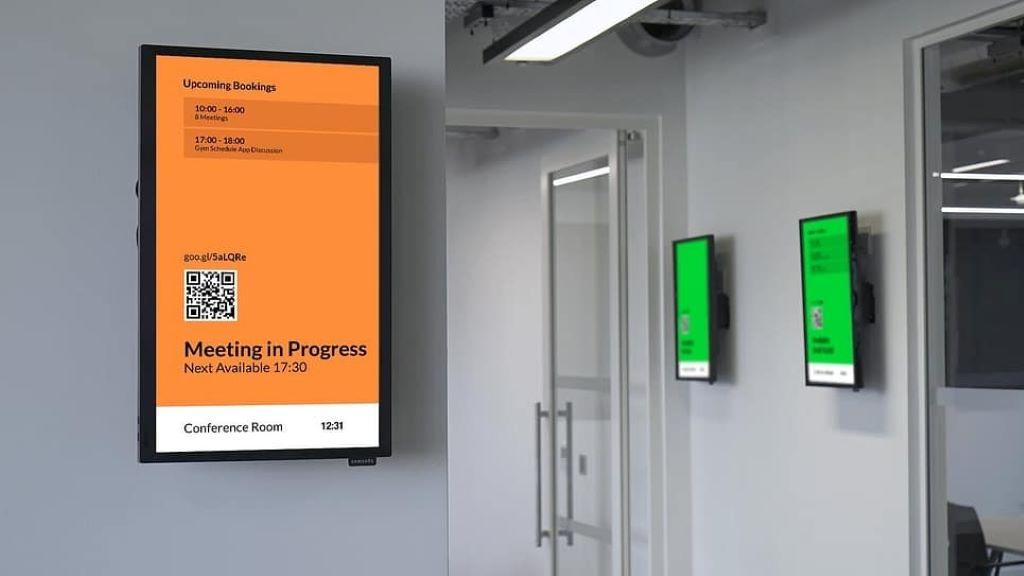
- Digital Signage: Some offices use small digital displays outside phone rooms to show availability and booking information.
- Sustainability: Eco-friendly materials like bamboo plaques or recycled plastics align with corporate social responsibility goals.
- Interactive Elements: QR codes on signs can link users to room booking apps or usage guidelines.
Step-by-Step Guide to Designing Your Phone Room Signage
If you want to create effective signage for your phone room, follow these best practices:
Step 1: Assess the Space and Purpose
Understand the specific needs of your phone room. Is it for quick calls only? Long meetings? Will it be shared or reserved via booking? These answers guide your signage messages.
Step 2: Choose the Right Sign Type
Decide on door signs, wall plaques, or digital displays based on your office layout.
Step 3: Create Clear Messaging
Draft messages that clarify what the room is for and any rules like noise levels or occupancy limits.
Step 4: Select Appropriate Fonts and Colors
Ensure your text is easy to read and fits your brand personality.
Step 5: Include Symbols and Accessibility Features
Add icons and consider ADA compliance for inclusivity.
Step 6: Test and Get Feedback
Place prototype signs and gather input from employees to refine clarity and usefulness.
Step 7: Finalize and Install
Choose durable materials, produce the final signs, and install them prominently.
Frequently Asked Questions (FAQs) About Phone Room Signage Design
Q1: What is the ideal size for phone room signage?
A: Typically, a door sign sized between 6×9 inches to 10×14 inches works well for visibility without being overwhelming. Wall plaques can be larger depending on space.
Q2: Should phone room signage include usage instructions?
A: Yes, including basic instructions such as “Keep phone calls under 15 minutes” or “Maintain quiet” helps manage the space effectively.
Q3: Is it necessary to have ADA-compliant signage for phone rooms?
A: If the phone room is in a public or work environment subject to ADA regulations, compliance is necessary to ensure accessibility for all users.
Q4: How can I make phone room signs more noticeable?
A: Use high-contrast colors, clear fonts, and universally recognizable icons. Backlighting or digital signs can also enhance visibility.
Q5: Can digital signage be used for phone rooms?
A: Absolutely. Digital signage outside phone rooms can display availability status, room bookings, and even quick tips, making management more seamless.
Conclusion: Transform Your Phone Rooms with Smart Signage Design
Creating a phone room that employees want to use and respect hinges significantly on the signage design. From establishing the purpose of the room to setting behavioral expectations, effective phone room signage delivers clarity, professionalism, and accessibility.
By integrating clear messaging, thoughtful visuals, durable materials, and compliance standards, you ensure that your phone rooms function as intended—quiet, private, and user-friendly spaces in a bustling workplace.
Related Topics:
The Need For Affordable Computer Equipment During A Cost-of-Living-Crisis
How a Dishwasher works on the inside