
Imagine stepping into your backyard on a sunny morning. You feel fresh grass under your feet and see a clean patio ready for coffee or a barbecue. A well-kept outdoor space brings joy and relaxation. However, many homeowners struggle with upkeep. You can achieve great results with basic tools and consistent effort.
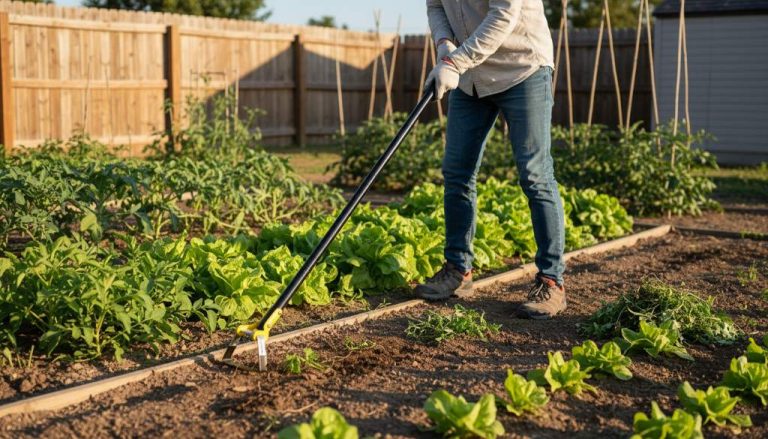
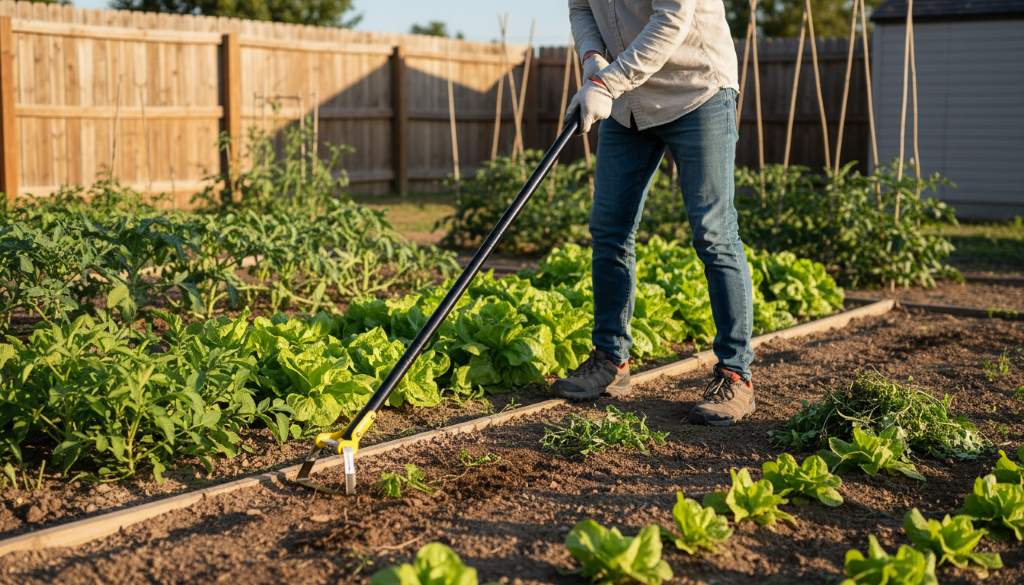
Maintaining your patio and lawn offers real benefits. Healthy lawns produce enough oxygen daily to support 64 people per acre, according to government sources. Additionally, 89% of homebuyers now view outdoor living spaces as key for health and well-being. Simple tools make the process easy and rewarding. For effective weeding that saves time, check out Patio and Lawn Tools like a quality scuffle hoe.
Start small and build habits. Soon, your yard becomes a source of pride.
Why Maintain Your Patio and Lawn Regularly?
Homeowners often overlook regular care. Yet it pays off in big ways. A tidy patio extends your living area. It invites family gatherings and quiet evenings outdoors.
Moreover, a healthy lawn improves air quality. Grass traps dust and releases oxygen. It also cools the surrounding area on hot days. Studies show turf reduces injuries during play compared to hard surfaces.
Neglect leads to problems. Weeds spread quickly. Dirt builds up on patios. Pests move in. Regular maintenance prevents these issues. It saves time and effort long-term.
Furthermore, curb appeal rises with care. Neighbors notice. Potential buyers value it. You enjoy the space more every day.
Essential Simple Garden Tools You Need
You do not need fancy equipment. Basic tools handle most tasks effectively. Gather these items first.
A sturdy rake works wonders. It removes leaves and debris from both lawn and patio. Choose one with flexible tines for grass and rigid for hard surfaces.
Next, invest in a good broom. A push broom sweeps patios clean fast. It reaches corners and cracks.
A garden hose with adjustable nozzle proves versatile. You rinse patios and water lawns deeply.
Pruners trim edges and small branches. Keep them sharp for clean cuts.
A hoe disrupts weeds easily. It slices through soil without much bending.
Finally, gloves protect your hands. Add a bucket for collecting debris.
These tools cost little but deliver big results. Store them dry and clean for longevity.
Preparing Your Outdoor Space for Maintenance
Preparation sets you up for success. Begin with a thorough inspection. Walk the patio and lawn slowly.
Look for cracks in pavers. Note bare spots in grass. Identify weed clusters early.
Remove large debris first. Pick up branches or toys. This clears the way for deeper work.
Then, test soil if needed. Simple kits show pH levels. Most grasses thrive around neutral.
Adjust furniture on the patio. Move pots and chairs aside. This gives full access.
Finally, plan your schedule. Set aside time weekly. Consistency beats occasional marathons.
Good preparation makes every task smoother. You feel motivated seeing clear progress.
How to Clean and Maintain Your Patio Effectively
Patios collect dirt, algae, and stains over time. Regular cleaning keeps them inviting.
Start with sweeping. Use a stiff broom daily or weekly. Push debris into piles and collect it.
For deeper cleans, rinse with a hose. Direct water into joints to flush sand and dirt.
Stubborn spots need gentle scrubbing. Mix mild dish soap with warm water. Apply with a soft brush. Rinse thoroughly afterward.
Natural options work well too. White vinegar diluted in water tackles algae. Baking soda paste lifts oil stains. Let it sit, then scrub and rinse.
Avoid harsh chemicals. They harm nearby plants and runoff affects waterways.
Seal pavers every few years. This repels water and stains. Follow product instructions carefully.
Clean furniture seasonally. Wipe frames and cushions. Store or cover during winter.
A clean patio shines. It becomes your favorite spot again.
Dealing with Patio Weeds and Moss
Weeds grow in patio joints persistently. Pull them by hand when young. Get the roots for best results.
For moss, reduce shade and improve drainage. Scrape it off gently. Vinegar solutions prevent regrowth.
Prevent weeds with polymeric sand in joints. It hardens and blocks seeds.
Regular attention stops small problems from growing large.
Lawn Care Fundamentals with Basic Tools
Lawns need attention to stay lush. Focus on core tasks.
Mowing tops the list. Keep blades sharp. Cut no more than one-third of grass height at once. Vary directions each time.
Leave clippings on the lawn. They return nutrients naturally.
Water deeply but infrequently. Aim for one inch weekly. Early morning works best.
Fertilize sparingly with organic options. Follow seasonal timing.
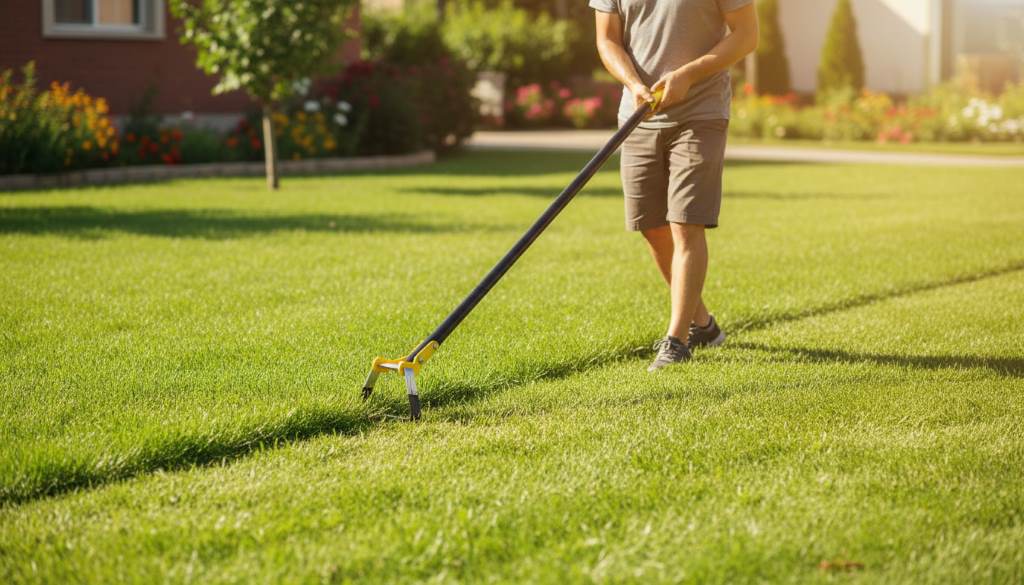
Aerate compacted soil yearly. Simple manual tools punch holes effectively.
Edge borders for crisp lines. Use a half-moon edger or string trimmer.
These steps build strong grass. It resists drought and pests better.
Proper Mowing Techniques
Mowing seems simple. Yet technique matters greatly.
Set mower height high in summer. Taller grass shades roots and retains moisture.
Mow when dry. Wet grass clumps and spreads disease.
Alternate patterns weekly. This prevents ruts and encourages upright growth.
Sharpen blades regularly. Dull ones tear grass and invite problems.
Finish with trimming. Clean edges make everything look polished.
Good mowing habits show quick results. Your lawn thickens beautifully.
Effective Weeding Strategies
Weeds compete with grass. Remove them early.
Hand-pull after rain. Soil loosens and roots come out whole.
Hoe on dry days. Slice weeds just below surface. They dry out fast.
Mulch bare spots. It suppresses new growth.
Spot-treat persistent ones naturally. Boiling water works on driveways.
Consistent effort reduces weeds over time. Your lawn fills in gaps.
Watering Your Lawn and Patio Plants Wisely
Water forms the backbone of healthy growth. Do it right.
Deep watering encourages strong roots. Shallow sprinkles waste resources.
Check soil moisture. Stick a finger in. Water only when dry two inches down.
Use soaker hoses for efficiency. They deliver water directly to roots.
Collect rainwater in barrels. It saves money and benefits plants.
Patio pots dry faster. Check them daily in heat.
Morning watering reduces evaporation. Evening invites fungal issues.
Smart watering keeps everything vibrant. You use less and get better results.
Related:
Five Plants that are Ideal for Novice Gardeners
6 Tips for a Chicken-Friendly Garden
Seasonal Maintenance Guide for Year-Round Beauty
Seasons change demands. Adjust accordingly.
Spring Awakening
Spring brings growth. Rake away winter debris gently.
Overseed thin areas. Topdress with compost.
Start mowing as grass greens. Fertilize lightly.
Clean patio thoroughly after winter. Reseal if needed.
Summer Protection
Summer stresses plants. Mow higher for shade.
Water deeply during dry spells. Watch for pests.
Sweep patio often. Remove pollen and dust.
Deadhead flowers around edges.
Fall Preparation
Fall prepares for dormancy. Aerate and overseed cool-season grasses.
Rake leaves promptly. They smother grass if left.
Apply final fertilizer. Clean gutters near patio.
Cover furniture or store it.
Winter Rest
Winter requires minimal work. Avoid walking on frozen grass.
Clear snow from patio gently. Use plastic shovels to prevent scratches.
Plan next year’s improvements. Sharpen tools indoors.
Seasonal shifts keep your space healthy all year.
Common Mistakes to Avoid in Patio and Lawn Care
Homeowners make avoidable errors. Learn from them.
Overwatering drowns roots. It invites disease too.
Mowing too short weakens grass. It invites weeds.
Ignoring patio joints lets weeds establish.
Using wrong tools strains your body. Choose ergonomic options.
Skipping cleanup spreads problems. Stay consistent.
Correct these habits. Your efforts yield better outcomes.
Eco-Friendly Practices for Sustainable Outdoor Care
Many seek greener methods. They benefit everyone.
Choose organic fertilizers. They build soil health slowly.
Compost kitchen scraps. Turn them into rich amendment.
Attract pollinators with native plants. They need less care.
Reduce chemical use. Natural alternatives often suffice.
Conserve water with smart practices. Mulch retains moisture.
Sustainable choices protect the environment. You feel good about your yard.
Conclusion
Maintaining your patio and lawn brings lasting rewards. Simple tools and regular habits create beautiful spaces. You enjoy fresh air, family time, and pride in your home.
Start today with one task. Sweep the patio or pull a few weeds. Build from there. Your outdoor oasis awaits.
Grab your tools and get outside. Transform your yard step by step.
FAQs
How often should I mow my lawn?
Mow weekly during peak growth. Adjust based on grass type and weather. Never remove more than one-third of height at once.
What natural methods clean patio pavers best?
Use diluted white vinegar for algae and mild dish soap for general dirt. Baking soda paste handles oil stains effectively. Always rinse well.
Which simple tools are essential for beginners?
Start with a rake, broom, hose, pruners, and hoe. These handle most daily tasks without overwhelming you.
When is the best time to water my lawn?
Water early morning for deepest absorption. It reduces evaporation and disease risk significantly.
How do I prevent weeds in my patio joints?
Sweep regularly and use polymeric sand. Pull young weeds by hand. Natural vinegar sprays deter growth.
Ref: