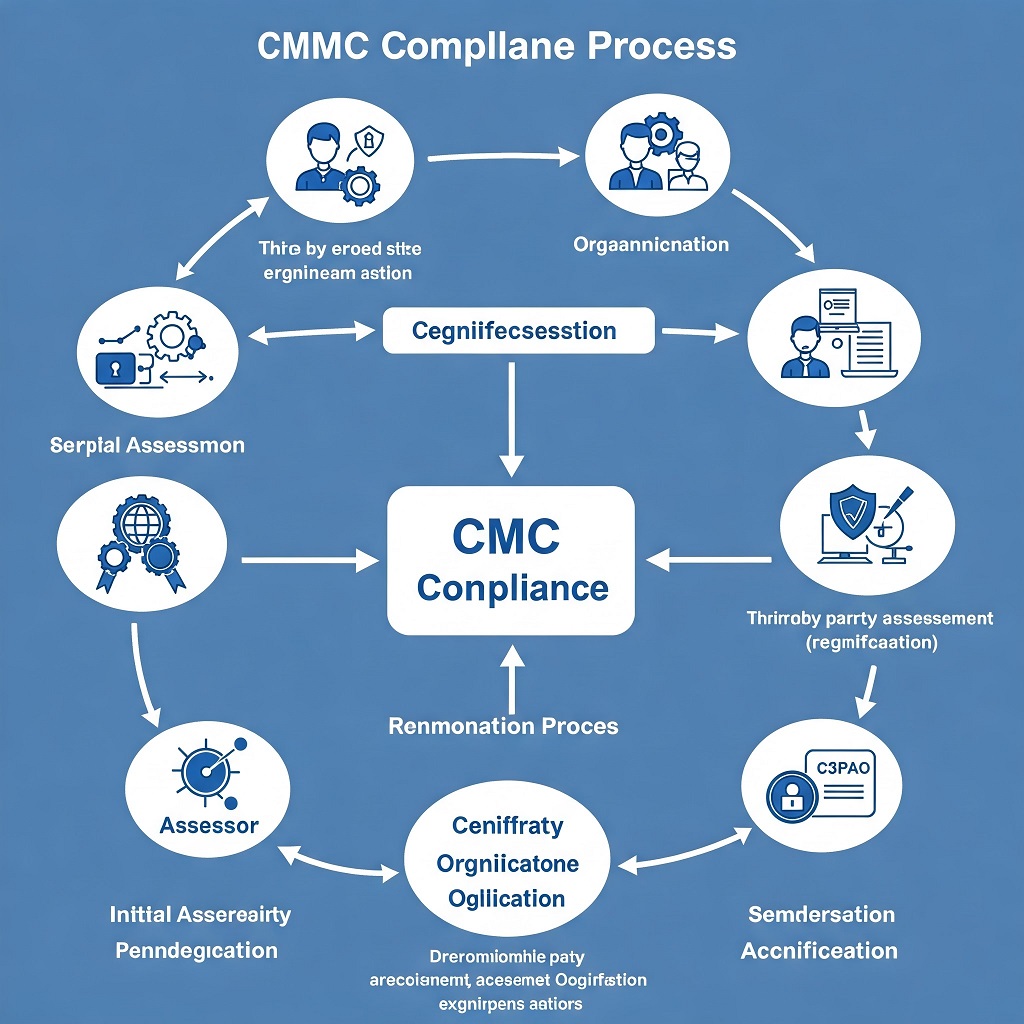
Staying compliant with evolving cybersecurity standards isn’t just about checking boxes—it’s about protecting critical data and maintaining trust in defense contracts. Organizations preparing for CMMC compliance requirements must focus on key security measures to avoid setbacks. A proactive approach ensures a smooth process, reducing risks while keeping operations running without disruption.
Security Architecture and System Hardening
A strong security foundation is essential for meeting CMMC requirements, yet many organizations overlook weaknesses in their existing architecture. Without a hardened infrastructure, systems remain vulnerable to cyber threats that could compromise compliance efforts. Strengthening security from the ground up ensures that critical assets are protected and reduces the likelihood of future remediation efforts that could slow down certification.
Implementing system hardening measures involves securing configurations, disabling unnecessary services, and applying rigorous security controls across all endpoints. Organizations pursuing CMMC Level 1 requirements or advancing to CMMC Level 2 requirements must address vulnerabilities in operating systems, cloud environments, and on-premise servers. Regular patching, multi-layered security policies, and endpoint protection strategies help create a fortified environment that aligns with compliance expectations.
Access Control and Identity Management
Unauthorized access remains one of the most significant threats to sensitive data. Establishing robust identity management and access control policies prevents unauthorized users from gaining entry to protected systems. Organizations working toward CMMC compliance requirements must ensure that only authorized personnel have access to controlled unclassified information (CUI).
Implementing role-based access controls (RBAC) and multi-factor authentication (MFA) enhances security by verifying user identities before granting access. Strong identity governance policies also track and manage user permissions, reducing the risk of insider threats or accidental data exposure. Regular audits help detect and revoke unnecessary access rights, ensuring that compliance efforts align with CMMC Level 2 requirements.
Data Protection and Encryption Strategies
Data protection is a core component of CMMC compliance requirements, and failing to secure sensitive information can result in costly violations. Encryption strategies play a crucial role in safeguarding data at rest and in transit, ensuring that unauthorized entities cannot intercept or manipulate information. Organizations must assess their current encryption protocols and upgrade outdated methods to meet CMMC Level 1 requirements and beyond.
A well-defined encryption policy includes secure key management, encrypted communications, and stringent access controls over protected files. Cloud storage, local databases, and file-sharing services must all comply with encryption standards that prevent data breaches. Businesses should also implement continuous monitoring to detect anomalies in data movement, reducing the risk of unauthorized access or leakage.
Documentation and Evidence Collection
Many organizations underestimate the importance of detailed documentation in the CMMC compliance process. Proper recordkeeping not only proves adherence to security standards but also streamlines the certification process. Without clear evidence of compliance, businesses may face delays or fail to meet CMMC Level 2 requirements during audits.
Maintaining comprehensive logs of security controls, policies, and risk assessments ensures that organizations can provide necessary evidence when required. Compliance teams should document security training, incident response plans, and access control records to demonstrate ongoing adherence to CMMC compliance requirements. Well-organized documentation also helps in identifying gaps early, allowing businesses to address weaknesses before audits take place.
Network Segmentation and Traffic Monitoring
Network security plays a vital role in preventing cyber threats from spreading across an organization’s infrastructure. Without proper segmentation, a single breach can compromise multiple systems, putting sensitive data at risk. Implementing strict network segmentation minimizes the impact of potential attacks and ensures compliance with CMMC requirements.
Traffic monitoring tools help detect suspicious activity by analyzing network behavior in real time. Intrusion detection and prevention systems (IDPS) alert security teams to anomalies, allowing them to take action before threats escalate. Continuous network monitoring, combined with strong segmentation strategies, provides an added layer of defense that supports CMMC Level 2 requirements and enhances overall cybersecurity resilience.