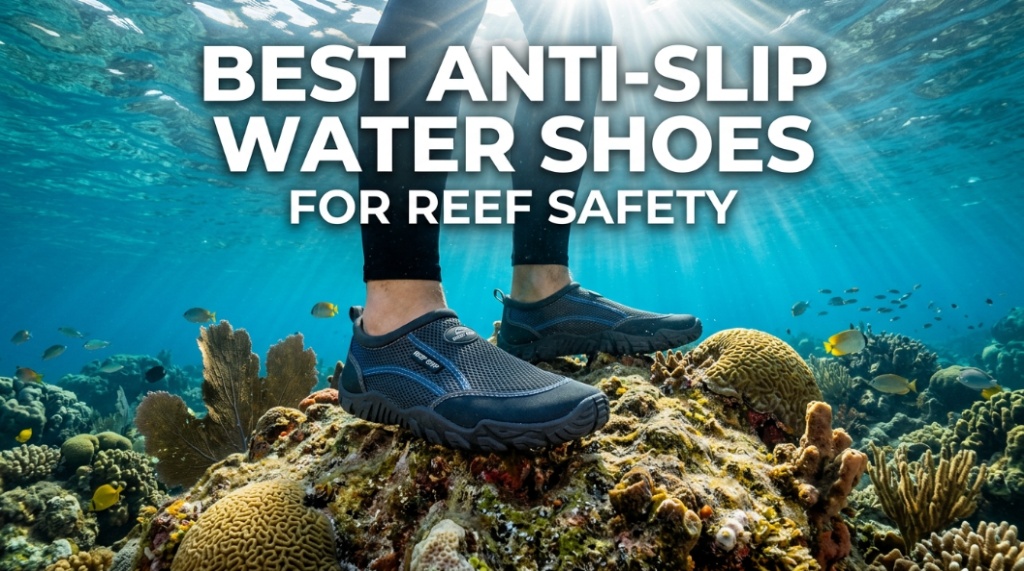
Long-lasting surfing shoes are specialized water footwear designed to protect surfers from sharp reefs, hot sand, slippery rocks, and cold water while maintaining grip, flexibility, and board feel in demanding surf conditions. The best rugged water shoes combine durable neoprene, reinforced soles, quick-drain technology, and anti-slip traction to survive repeated exposure to saltwater, UV rays, and rough terrain.
Why Do Surfers Need Long-Lasting Surfing Shoes?
Surfers need durable surf protection shoes because bare feet are vulnerable to cuts, reef injuries, cold temperatures, and unstable surfaces. High-quality surfing footwear improves safety, comfort, and performance during long sessions in the water.
Many surfers underestimate how quickly harsh surf environments destroy cheap water shoes. Saltwater weakens adhesives. Sunlight damages fabric fibers. Rocks, reefs, and board traction pads wear down thin soles fast. As a result, low-quality shoes often crack, peel, or lose grip within weeks.
Long-lasting surfing shoes solve these problems by using:
- Reinforced rubber outsoles
- Abrasion-resistant neoprene
- Sealed stitching
- Drainage systems
- High-traction tread patterns
- Quick-drying materials
Professional surfers and water sports athletes often rely on rugged water shoes in reef-heavy surf destinations like Bali, Hawaii, Australia, and Costa Rica, where sharp volcanic rock and coral reefs create dangerous entry points.
Without proper surf protection shoes, even experienced surfers can suffer:
- Coral cuts and infections
- Foot fatigue
- Cold-water numbness
- Reduced traction on wet surfaces
- Slips during board launches
What Makes Surfing Shoes Truly Long-Lasting?
The durability of surfing shoes depends on construction quality, outsole materials, stitching, drainage systems, and resistance to saltwater damage.
Not all water shoes are designed specifically for surfing. Many general-purpose aqua shoes break down quickly because they lack reinforced stress points and surf-focused engineering.
Which Materials Last Longest in Surfing Shoes?
High-grade neoprene, vulcanized rubber, and reinforced polyester blends typically last the longest in surf environments.
The most durable surf shoes often feature:
| Material | Purpose | Durability Level |
|---|---|---|
| Neoprene | Insulation and flexibility | High |
| Vulcanized Rubber | Traction and sole protection | Very High |
| Thermoplastic Rubber (TPR) | Abrasion resistance | High |
| Polyester Mesh | Drainage and breathability | Medium |
| Kevlar Reinforcement | Tear resistance | Extremely High |
Premium surf brands increasingly use eco-friendly neoprene alternatives that maintain durability while reducing environmental impact.
How Important Is Sole Thickness in Surf Protection Shoes?
Sole thickness directly affects protection, durability, and board feel. Most surfers prefer a balance between flexibility and impact resistance.
Thin soles improve sensitivity on the surfboard but wear down faster on rocky beaches. Thick soles provide stronger protection but can reduce responsiveness during maneuvers.
For most surfers, a sole thickness between 3mm and 7mm offers the best balance.
Are Rugged Water Shoes Different From Surf Booties?
Yes. Rugged water shoes are designed mainly for durability and multi-purpose water use, while surf booties focus more on thermal insulation and board performance.
Although the terms are often used interchangeably, there are important differences.
| Feature | Rugged Water Shoes | Surf Booties |
|---|---|---|
| Main Purpose | Protection and versatility | Surf-specific performance |
| Thermal Insulation | Moderate | High |
| Flexibility | Medium | High |
| Durability | Very High | High |
| Reef Protection | Excellent | Excellent |
| Best Use | Rocky beaches and water sports | Cold-water surfing |
Surfers who regularly transition between paddleboarding, kayaking, snorkeling, and surfing often prefer rugged water shoes because of their versatility.
What Features Should You Look for in Long-Lasting Surfing Shoes?
The best surfing shoes combine grip, durability, comfort, drainage, insulation, and secure fit systems.
Buying based only on appearance usually leads to poor performance. Instead, focus on technical construction details.
Why Is Grip Critical in Surf Protection Shoes?
Grip prevents slipping on wet rocks, waxed boards, boat decks, and slippery reef surfaces.
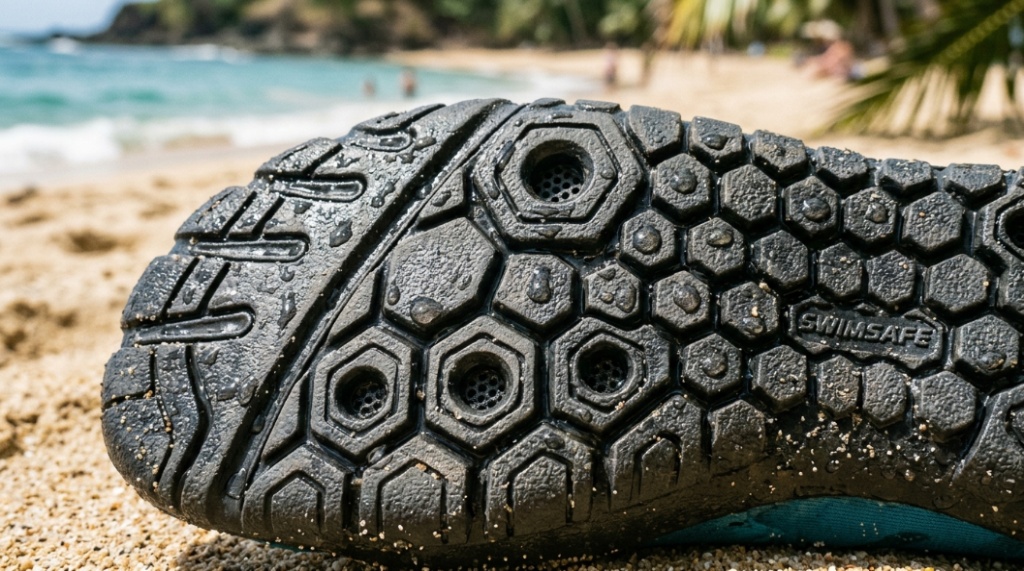
Modern surf shoes use specialized tread patterns inspired by hiking boots and climbing footwear. Deep multidirectional grooves improve traction while channeling water away from the sole.
Key grip technologies include:
- Wave-pattern tread
- Siped rubber channels
- Non-marking rubber compounds
- Multi-density traction zones
Weak traction can increase injury risk during entry and exit from the surf.
Do Drainage Systems Matter?
Yes. Proper drainage prevents water buildup, reduces weight, and improves comfort during long surf sessions.
Good rugged water shoes include:
- Mesh drainage ports
- Perforated midsoles
- Hydrophobic lining
- Quick-drying fabric layers
Waterlogged shoes become heavy and uncomfortable. Efficient drainage improves mobility and reduces blister formation.
How Does Fit Affect Surfing Performance?
A secure fit improves control, stability, and comfort while preventing sand and debris from entering the shoe.
Surf shoes should fit snugly without restricting circulation. Loose shoes create drag in the water and can shift during duck dives or wipeouts.
Most experienced surfers recommend:
- Minimal toe movement
- Secure heel lock
- Flexible ankle support
- No pressure hotspots
Which Surf Conditions Require Durable Surfing Shoes?
Long-lasting surf protection shoes are most important in reef breaks, rocky beaches, cold water environments, and rugged coastlines.
Not every surf location requires footwear. However, many conditions make them essential.
Are Surf Shoes Necessary for Reef Breaks?
Yes. Reef breaks can cause serious cuts and infections without proper foot protection.
Coral reefs are extremely sharp. Even small cuts can become infected due to marine bacteria exposure. Durable surfing shoes create a protective barrier while improving traction on uneven surfaces.
Popular reef surf destinations where surf shoes are commonly used include:
- Uluwatu in Bali
- Pipeline in Hawaii
- Cloudbreak in Fiji
- Teahupo’o in Tahiti
Do Cold Water Surfers Need Surf Booties?
Cold water surfers often need insulated surf booties to maintain warmth and foot mobility.
According to surf industry guidance, water temperatures below 60°F (15°C) can reduce foot sensitivity and circulation during extended sessions.
Thermal surf booties help prevent:
- Numbness
- Reduced balance
- Muscle stiffness
- Cold-related discomfort
Winter surfers in places like California, Oregon, Canada, and the United Kingdom commonly wear 3mm to 7mm neoprene booties.
How Long Should Quality Surfing Shoes Last?
High-quality surfing shoes can last anywhere from one to three years depending on usage frequency, maintenance, and surf conditions.
Durability varies significantly based on:
- Saltwater exposure
- UV exposure
- Reef abrasion
- Drying habits
- Construction quality
Daily surfers in rocky environments naturally wear shoes faster than occasional beach surfers.
What Causes Surf Shoes to Wear Out Faster?
Saltwater, direct sunlight, poor drying habits, and rough terrain are the biggest causes of premature wear.
Common failure points include:
- Sole separation
- Stitch tearing
- Heel abrasion
- Neoprene cracking
- Elastic fatigue
Cheap glue and weak stitching are especially problematic in budget surf footwear.
How Can You Make Surf Protection Shoes Last Longer?
Proper cleaning, drying, and storage significantly extend the lifespan of surfing shoes.
Even premium surf shoes deteriorate quickly if neglected.
What Is the Best Way to Clean Surf Shoes?
Rinse surfing shoes with fresh water after every session and allow them to air dry naturally away from direct sunlight.
Never leave wet shoes inside a hot car or sealed bag. Heat accelerates adhesive failure and material breakdown.
For long-term durability:
- Rinse with clean water after use
- Remove sand and salt buildup
- Air dry in shaded areas
- Avoid machine drying
- Store in ventilated spaces
Should You Rotate Multiple Pairs?
Yes. Frequent surfers often extend shoe lifespan by rotating between multiple pairs.
This allows materials to fully dry between sessions and reduces stress on seams and adhesives.

What Are the Best Types of Rugged Water Shoes for Different Activities?
The ideal surfing shoe depends on water temperature, terrain, surfing style, and additional water activities.
Which Surf Shoes Work Best for Tropical Surfing?
Lightweight reef shoes with thin soles and strong drainage systems work best in tropical environments.
Tropical surfers prioritize:
- Breathability
- Quick drying
- Lightweight construction
- Reef protection
Overly thick neoprene can cause overheating in warm climates.
What Are the Best Surf Protection Shoes for Rocky Beaches?
Thicker rugged water shoes with reinforced toe guards and aggressive tread patterns perform best on rocky coastlines.
These shoes protect against:
- Sharp volcanic rock
- Barnacles
- Uneven terrain
- Slippery algae-covered surfaces
Can Surf Shoes Be Used for Other Water Sports?
Yes. Many long-lasting surfing shoes are versatile enough for kayaking, paddleboarding, snorkeling, fishing, and beach hiking.
This versatility makes rugged water shoes popular among outdoor enthusiasts who participate in multiple activities.
Do Expensive Surf Shoes Actually Last Longer?
In many cases, yes. Higher-end surfing shoes often use stronger materials, better stitching, and more durable rubber compounds.
Premium surf footwear usually includes:
- Glued and blind-stitched seams
- Higher-density rubber soles
- Advanced grip engineering
- Reinforced toe and heel panels
- Improved thermal retention
Although budget water shoes may seem cost-effective initially, frequent replacements often make them more expensive over time.
Many experienced surfers follow a “buy once, use longer” approach when selecting surf protection shoes.
How Do You Choose the Right Long-Lasting Surfing Shoes?
The right surfing shoes depend on your local conditions, surfing frequency, water temperature, and protection needs.
Before buying, consider:
- Water temperature
- Beach terrain
- Reef exposure
- Session length
- Fit preference
- Durability expectations
A surfer in tropical Bali has different footwear needs than someone surfing winter waves in Northern California.
What Size Should Surf Shoes Be?
Surf shoes should fit snugly because materials often loosen slightly in water.
Avoid oversized shoes. Excess space creates instability and friction during movement.
Should Beginners Wear Surf Protection Shoes?
Yes. Beginners benefit from extra protection, improved traction, and added confidence in unfamiliar surf environments.
New surfers are more likely to step on reefs, lose footing, or struggle with rocky beach entries. Durable water shoes reduce injury risk during the learning process.
Conclusion: Are Long-Lasting Surfing Shoes Worth It?
Yes. Long-lasting surfing shoes are one of the smartest investments for surfers who regularly deal with reefs, rocky beaches, cold water, or extended sessions.
Quality surf protection shoes improve safety, comfort, grip, and overall performance while reducing the risk of cuts, slips, and premature foot fatigue. Durable rugged water shoes also save money long term because they withstand repeated exposure to saltwater, sand, UV rays, and rough terrain better than cheap alternatives.
The best surfing footwear balances flexibility, traction, drainage, insulation, and durability based on your local conditions and surfing style. Whether you surf tropical reef breaks or cold winter swells, choosing the right pair can dramatically improve your experience in the water.
If you surf frequently, prioritize construction quality over price alone. Well-built surf shoes protect your feet, enhance confidence, and last through demanding conditions that quickly destroy ordinary water shoes.
Invest in durable surf protection shoes that match your environment, maintain them properly, and they can remain reliable companions through countless surf sessions.
Frequently Asked Questions About Long-Lasting Surfing Shoes
What are the best materials for durable surfing shoes?
The best materials for durable surfing shoes include neoprene, vulcanized rubber, thermoplastic rubber, and reinforced synthetic fabrics. These materials resist saltwater damage, abrasion, and UV exposure while maintaining flexibility and grip.
Can surfing shoes improve performance?
Yes. Surf protection shoes improve traction, stability, and comfort during surf sessions. They also reduce slipping on rocks and reefs, helping surfers maintain better control during water entry and exit.
How tight should surf shoes fit?
Surf shoes should fit snugly without restricting circulation. A tight fit prevents water drag, slipping, and friction while improving board feel and movement control.
Are rugged water shoes good for hiking near beaches?
Yes. Many rugged water shoes are designed for multi-purpose use, including beach hiking, kayaking, paddleboarding, snorkeling, and coastal exploration.
Do surf shoes stretch over time?
Most neoprene-based surf shoes stretch slightly with repeated use and water exposure. This is why many surfers prefer a snug fit when purchasing new shoes.
How often should surfing shoes be replaced?
Frequent surfers may replace surf shoes every 12 to 24 months depending on wear levels, surf conditions, and maintenance habits. Premium models can last longer with proper care.
Are surf booties necessary in warm water?
Not always. In tropical environments, lightweight reef shoes are often sufficient for protection against sharp rocks and coral without excessive insulation.